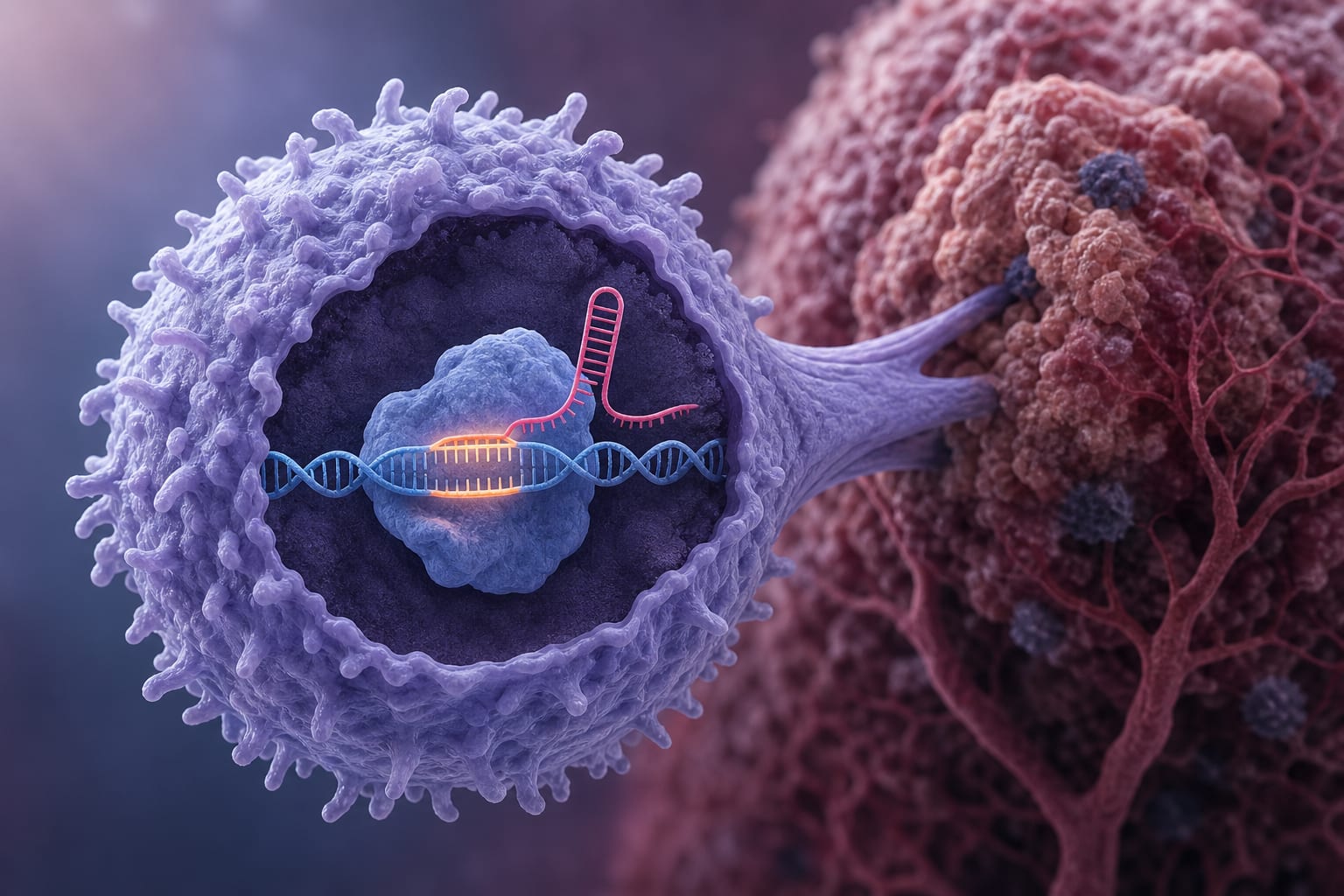
To evaluate the clinical and translational landscape of CRISPR/Cas9-based cancer therapies.
Approach:
Mechanistic Strategies: The review analyzes three primary strategies: immune cell engineering for enhanced tumor recognition, direct targeting of oncogenic mutations, and modulation of tumor-supportive pathways, highlighting their potential impact on cancer treatment.
Key Findings:
CRISPR-based interventions have shown promising safety profiles and early clinical activity.
CRISPR-edited CAR-T cell products targeting CD19 and BCMA have achieved objective responses in hematological malignancies.
Clinical translation into solid tumors faces challenges including delivery efficiency and tumor heterogeneity.
Interpretation:
Limitations:
Challenges include off-target editing, manufacturing scalability, delivery limitations, and regulatory considerations.
Clinical validation of CRISPR/Cas9-based therapies remains ongoing.
Conclusion:
CRISPR/Cas9 is evolving as a versatile tool in oncology, with applications in direct therapies, target discovery, and biomarker identification.