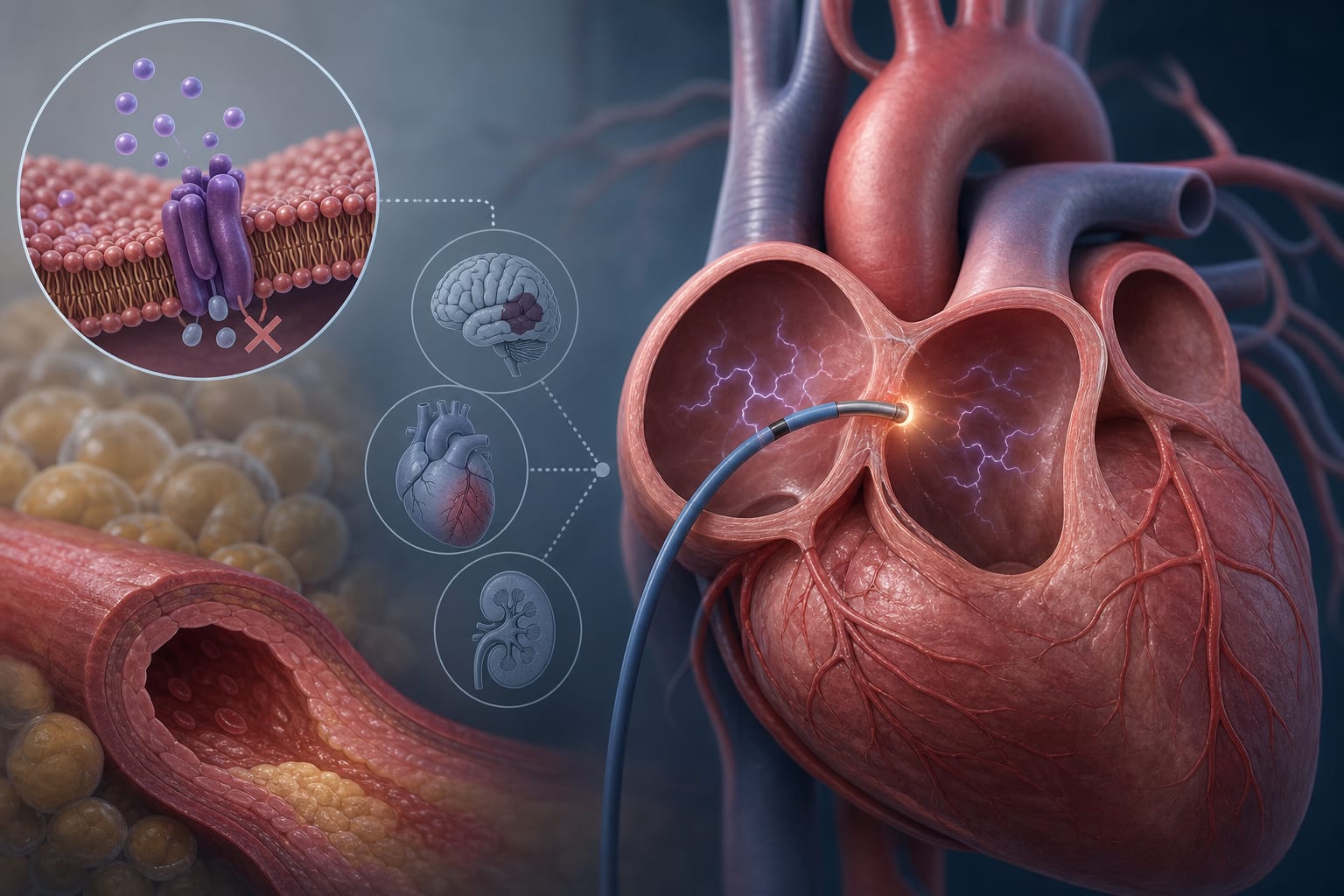
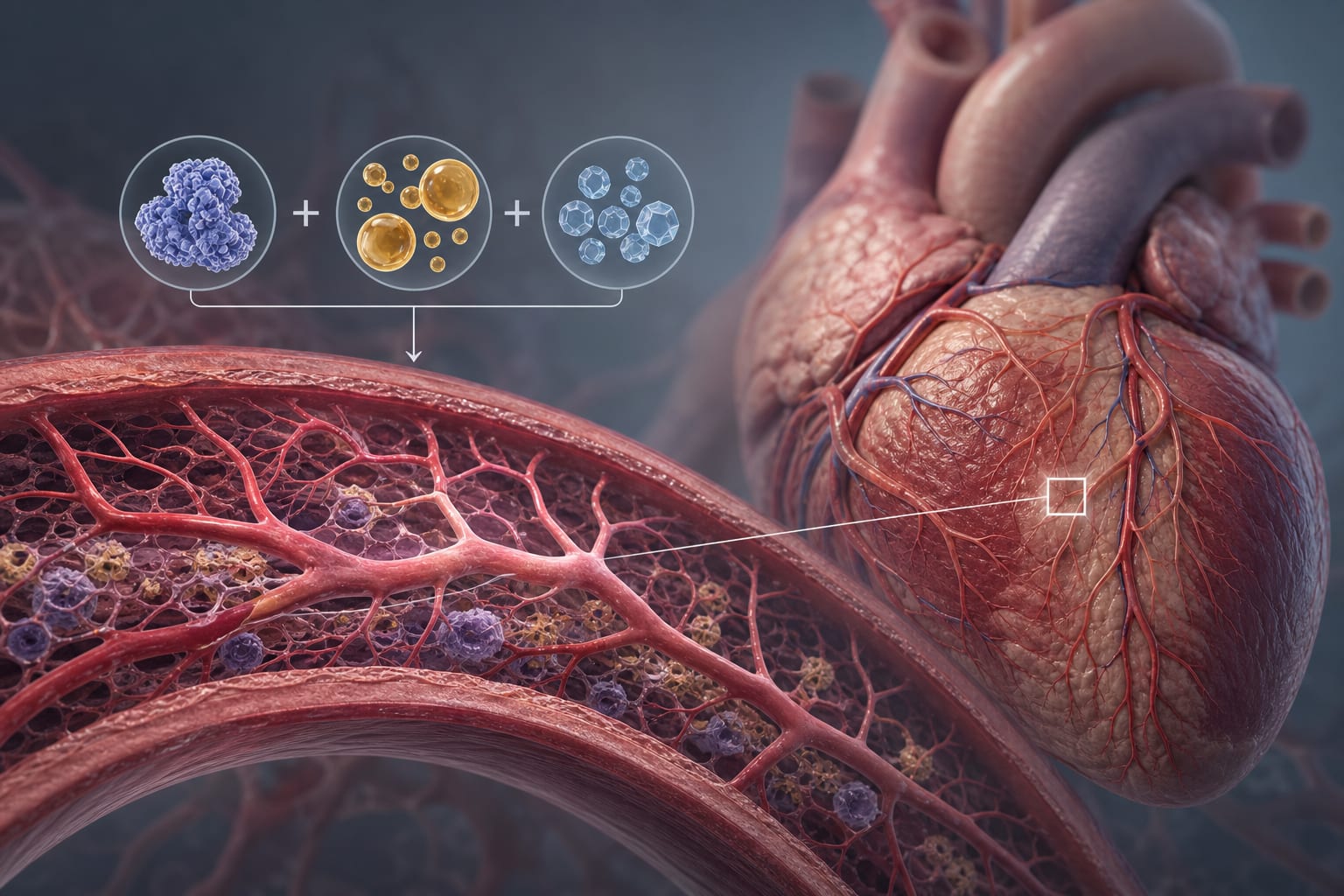
To delineate the molecular mechanisms underlying MINOCA, characterize tissue and cell damage, and identify and compare the inflammatory patterns of MINOCA and cMI.
Approach:
Clinical Overview: MINOCA accounts for 6-8% of myocardial infarction cases and presents significant challenges in diagnosis and treatment due to its non-specific symptoms and the absence of obstructive coronary artery disease.
Key Findings:
MINOCA is associated with non-specific ECG changes and predominantly affects younger, female patients.
Coronary microembolization is responsible for 40% of MINOCA cases, often linked to plaque erosion.
Patients with MINOCA have a higher risk of major adverse cardiac events and lower rates of cardioprotective medication use.
Interpretation:
The study highlights the need for improved diagnostic tools and a deeper understanding of MINOCA's pathophysiology.
Limitations:
Delayed diagnosis and therapy initiation due to reliance on cardiac magnetic resonance imaging, which is typically performed days/weeks after the index event.
Insufficient characterization of the underlying pathophysiological processes, which complicates treatment options.
Conclusion:
Characterizing the distinct mechanisms of MINOCA may facilitate the development of targeted diagnostic and therapeutic strategies.
by Jasper Iske, Henriette Thau, Joshua M. Mesfin, Christien M. Beez, Petra Wolint, Jonas Hildinger, Nicolas Musigk, Timo Z. Nazari-Shafti, Adam Penkalla, Volkmar Falk, Bettina Heidecker, Bertil Lindahl, Maximilian Y. Emmert, Nikola Cesarovic