Combining pulsed radiofrequency and low-temperature plasma ablation for refractory cervicogenic angina after percutaneous coronary intervention: a case report - Summary - MDSpire
Advertisement
Combining pulsed radiofrequency and low-temperature plasma ablation for refractory cervicogenic angina after percutaneous coronary intervention: a case report
To report a case study of cervicogenic angina and evaluate the effectiveness of ultrasound-guided pulsed radiofrequency and low-temperature plasma ablation as treatment.
Approach:
Patient Presentation: A 61-year-old male with recurrent precordial pain, chest tightness, dyspnea, and neck-shoulder pain was evaluated after coronary intervention failed to alleviate symptoms.
Diagnostic Process: Cardiac causes were ruled out through examinations, leading to the diagnosis of cervicogenic angina based on cervical imaging and physical examination findings.
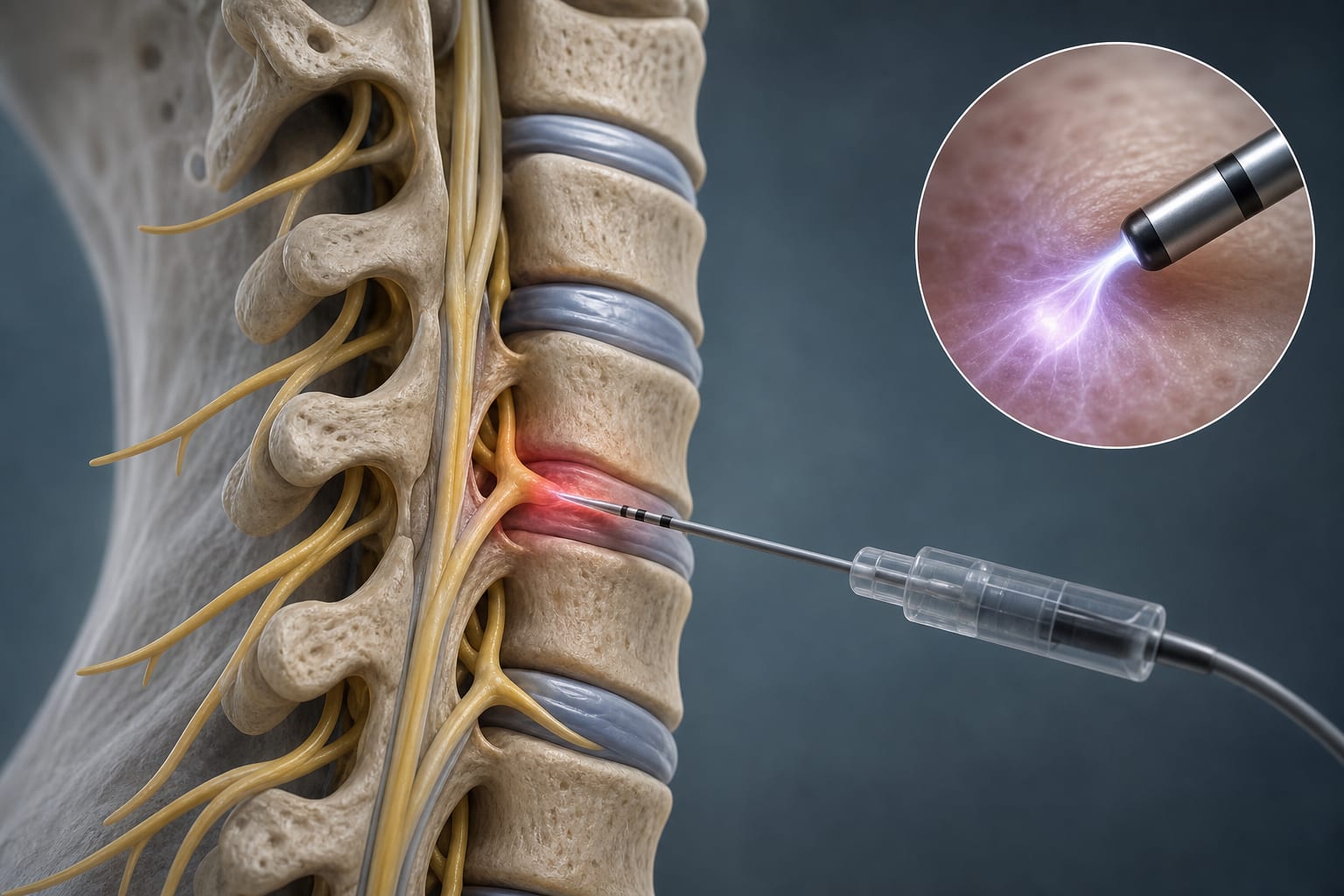
Treatment Method: The patient underwent ultrasound-guided pulsed radiofrequency of cervical nerve roots and sympathetic chain, combined with low-temperature plasma ablation of cervical facet joints.
Key Findings:
Cervicogenic angina can mimic cardiac angina, leading to misdiagnosis.
Ultrasound-guided interventions resulted in significant symptom relief, with a visual analog scale score decreasing from 7 preoperatively to 0 at 3-month follow-up.
Interpretation:
This case suggests that cervicogenic angina should be considered in patients with recurrent chest pain after cardiac evaluations.
Limitations:
This is a single case study, limiting generalizability.
Long-term outcomes of the treatment were not assessed beyond the 3-month follow-up.
Conclusion:
Ultrasound-guided radiofrequency intervention is a safe and effective minimally invasive treatment for cervicogenic angina.