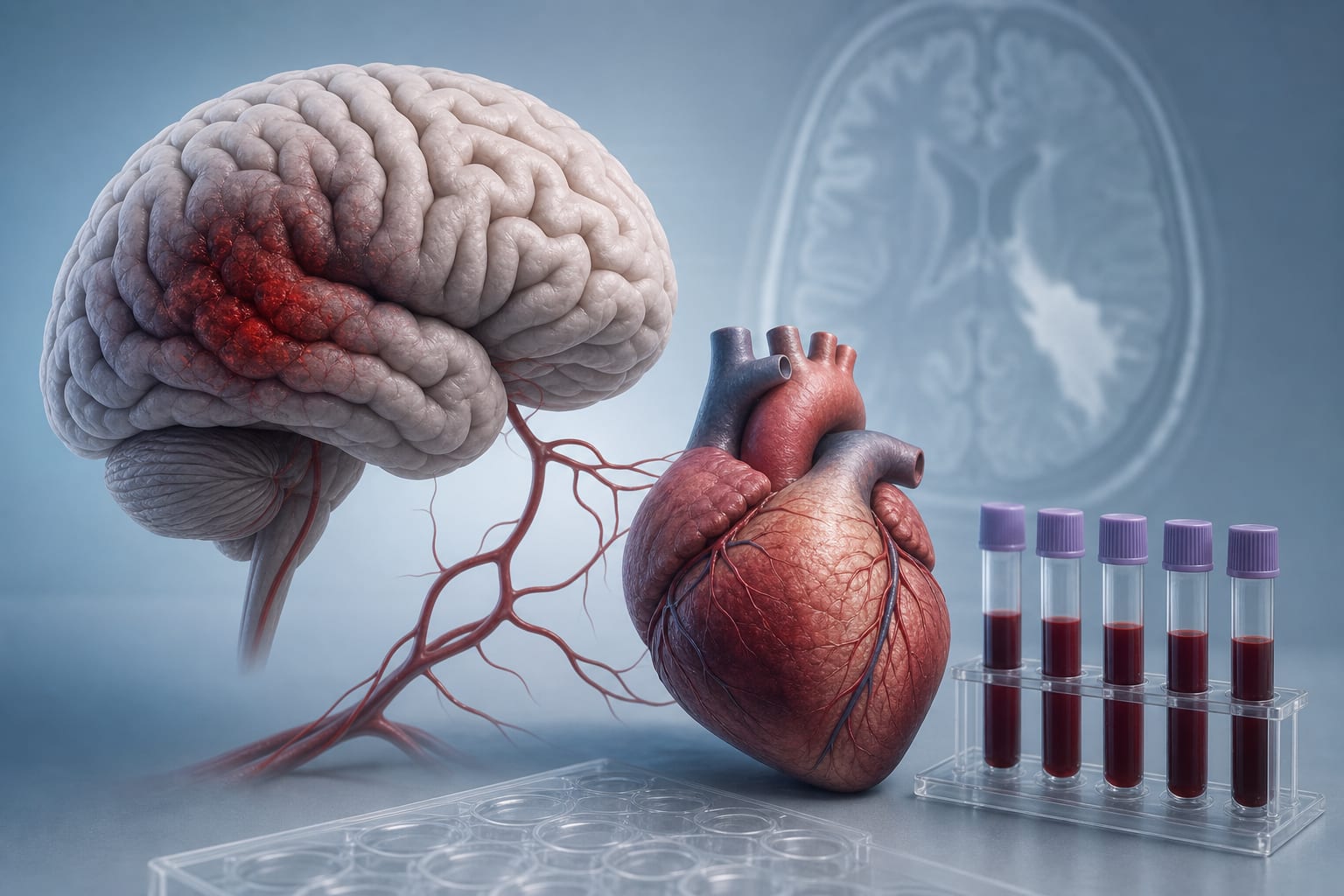
Ferroptosis in arterial atherosclerosis: mechanistic hypotheses, cell type specific vulnerabilities, translational biomarkers, and therapeutic opportunities - Summary - MDSpire
To systematically synthesize knowledge on ferroptosis in arterial atherosclerosis, focusing on its mechanisms, cell-type vulnerabilities, biomarkers, and therapeutic strategies.
Approach:
Mechanistic Analysis: The review evaluates core pathway dynamics including iron homeostasis, polyunsaturated phospholipid metabolism, and lipid peroxide detoxification.
Cell-Type Vulnerability Assessment: It highlights how factors like disturbed flow, dyslipidemia, and metabolic disorders influence ferroptosis susceptibility across different cell types.
Biomarker and Therapeutic Strategy Evaluation: The analysis extends to candidate biomarkers and therapeutic strategies targeting iron availability and lipid peroxidation.
Key Findings:
Ferroptosis contributes to endothelial dysfunction, macrophage foam cell death, and necrotic core expansion in atherosclerotic plaques.
IL-1β primes macrophages for ferroptosis, creating a feedback loop that exacerbates inflammation and lowers ferroptosis thresholds.
Defective efferocytosis and impaired autophagy release redox-active iron, promoting ferroptosis and plaque instability.
Interpretation:
Current understanding of ferroptosis in atherosclerosis is limited by inconsistencies in definitions, reliance on non-specific oxidative stress markers, and insufficient validation in human plaques.
Dependence on non-specific oxidative stress markers.
Insufficient validation of findings in human atherosclerotic plaques.
Conclusion:
Establishing ferroptosis-specific signatures in human tissues and demonstrating causality through targeted interventions are crucial for translating these findings into clinical applications.