Impact of Sleeve Gastrectomy and Roux-en-Y Gastric Bypass on Esophageal Physiology and Gastroesophageal Reflux Disease: A Prospective Study - Summary - MDSpire
Advertisement
Impact of Sleeve Gastrectomy and Roux-en-Y Gastric Bypass on Esophageal Physiology and Gastroesophageal Reflux Disease: A Prospective Study
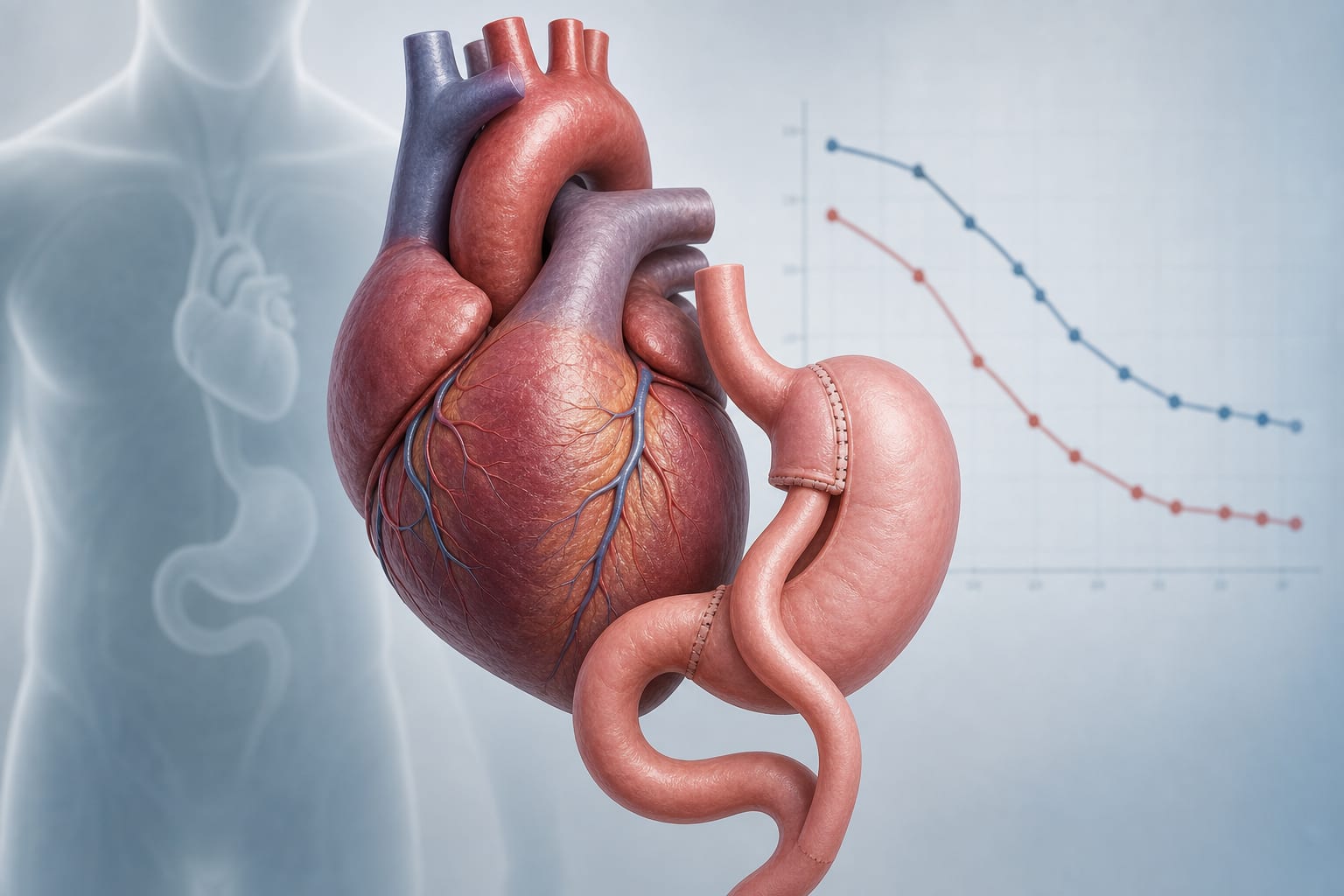
To compare the effects of laparoscopic sleeve gastrectomy (LSG) and laparoscopic Roux-en-Y gastric bypass (LRYGB) on esophageal function and the development of gastroesophageal reflux disease (GERD) in patients with severe obesity, highlighting the clinical significance of these comparisons.
Key Findings:
LSG may increase the incidence of GERD due to factors like weakened lower esophageal sphincter and increased intragastric pressure, which could impact patient management strategies.
LRYGB is more effective in managing GERD, reducing acid secretion and bile diversion, suggesting a preferred surgical option for patients with GERD.
De novo GERD is less frequent after LRYGB compared to LSG, indicating a need for careful patient selection.
Interpretation:
The study highlights the complex relationship between bariatric surgery types and GERD outcomes, suggesting LRYGB as a superior option for patients with severe obesity and GERD, with implications for surgical decision-making.
Limitations:
Small sample size of 30 patients may limit the generalizability of the findings; non-randomized design may introduce selection bias, potentially affecting the reliability of the results.
Conclusion:
LRYGB is more effective than LSG in improving esophageal function and managing GERD in patients with severe obesity, underscoring the need for tailored surgical approaches.