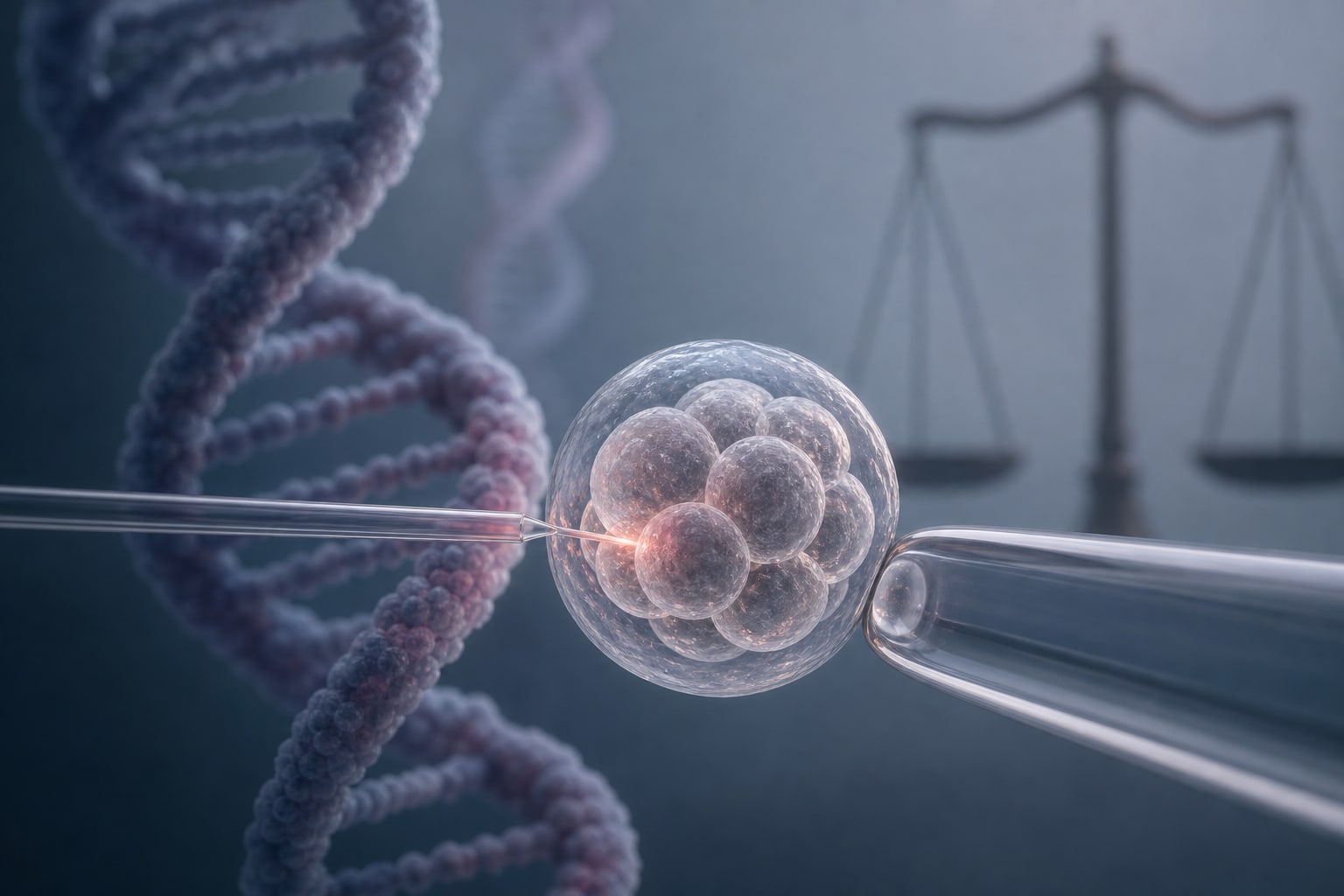
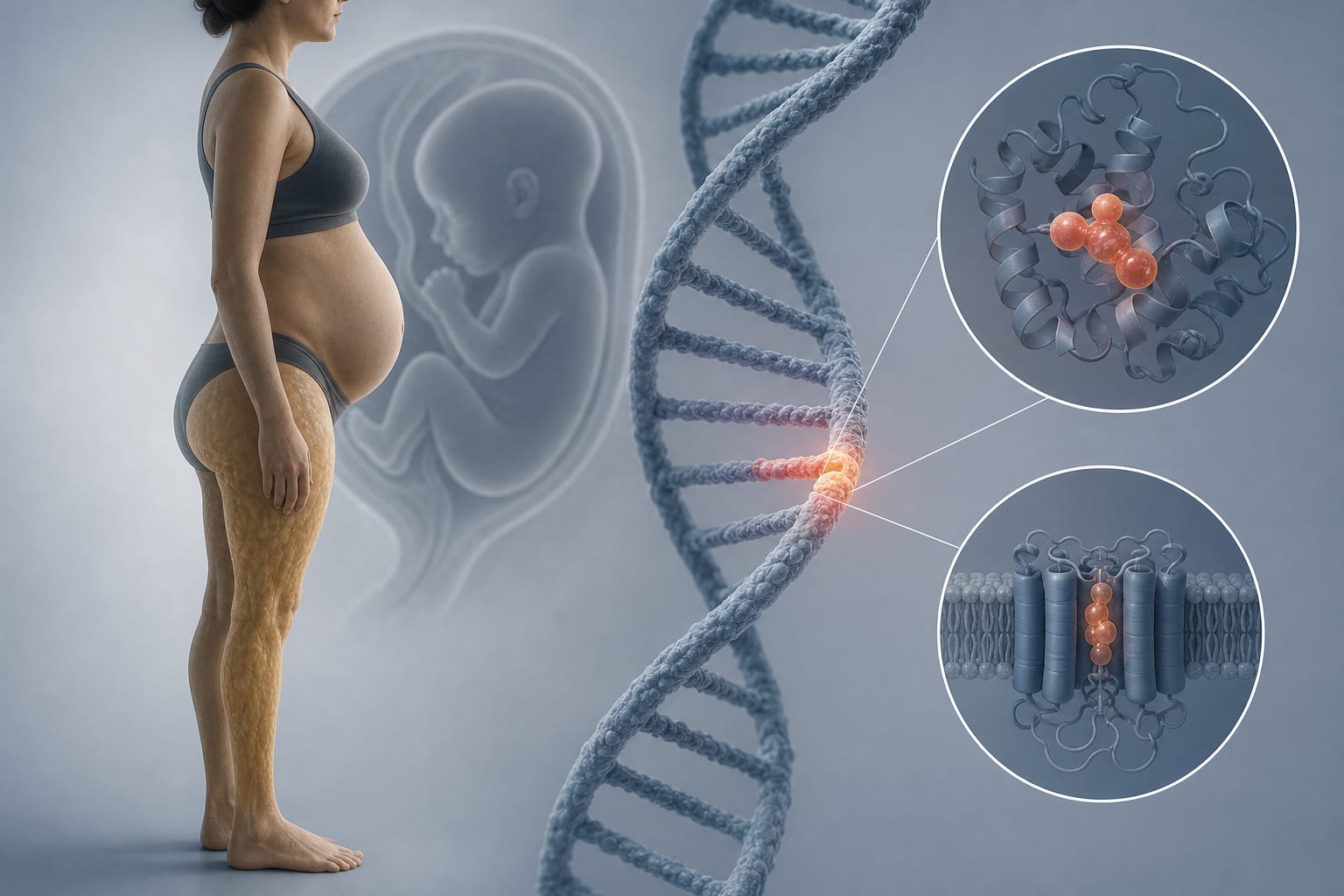
To discuss the advancements in human embryo gene editing and the associated ethical implications raised by these advancements.
Approach:
Research Overview: The article reviews recent advancements in CRISPR gene editing, particularly a study on base editing of human embryos by Dieter Egli's lab, and highlights the need for ethical discussions.
Ethical Considerations: It emphasizes the need for ongoing ethical discussions regarding human embryo editing, especially concerning heritable gene editing and the implications of editing non-mutant genes.
Key Findings:
Base editing shows less incidental genomic damage compared to standard CRISPR methods.
Editing genes like PCSK9 and HBG1/HBG2 in embryos raises ethical concerns as they were not initially mutated and could lead to enhancement.
Current embryo screening methods can effectively prevent genetic diseases without the need for gene editing.
Interpretation:
The advancements in gene editing technology necessitate careful consideration of ethical guidelines, especially regarding potential applications beyond disease prevention.
Limitations:
The study is a preprint and has not yet undergone peer review.
The ethical implications of editing non-mutant genes for potential future health conditions are less well-supported.
Conclusion:
Human embryo editing is likely to extend beyond disease prevention, raising concerns about eugenics and the ethical ramifications of such technologies.