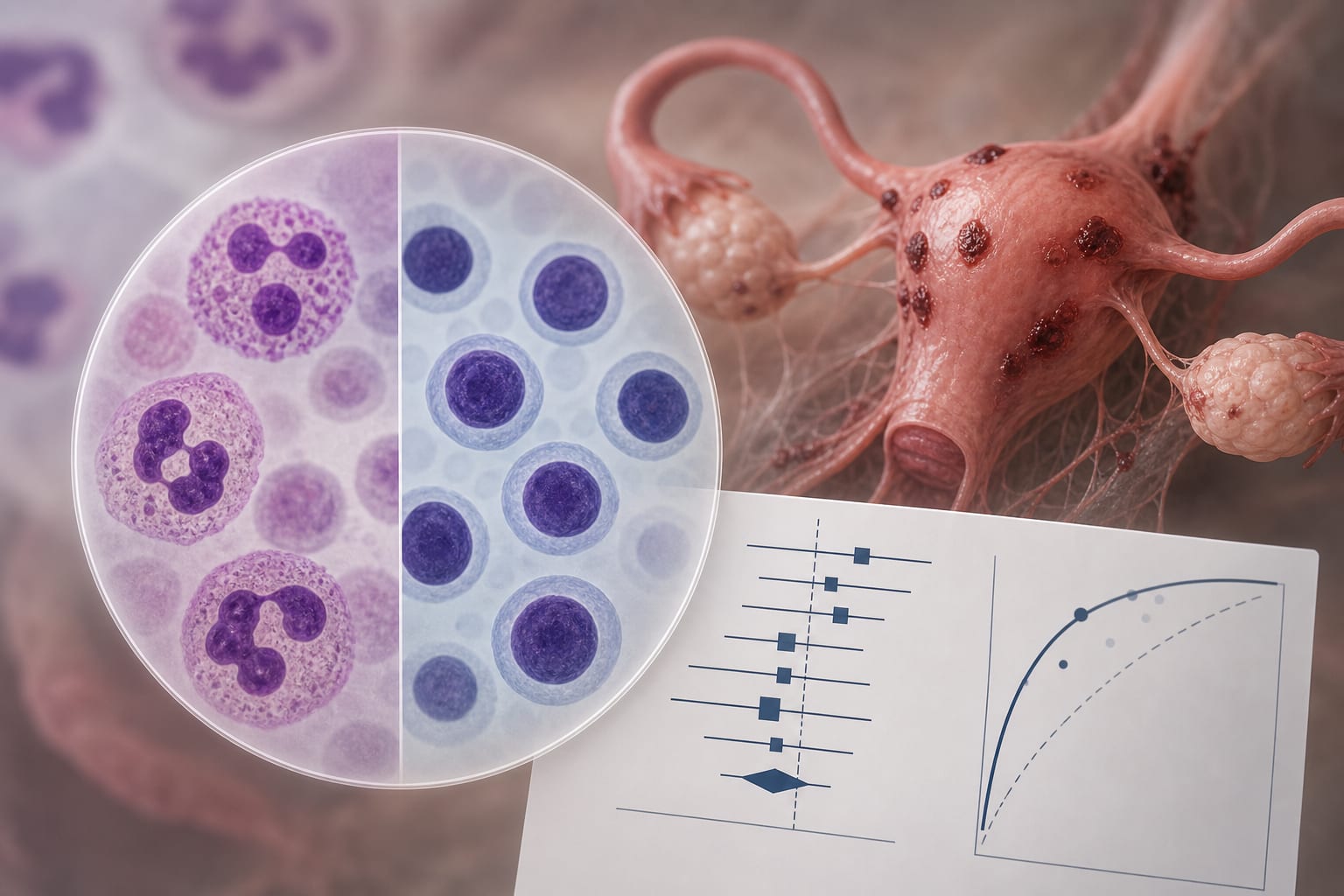
To systematically review the interactions between gut-reproductive microbiome imbalance and iron metabolism disorders, integrating multi-omics evidence to propose a new pathological mechanism framework for endometriosis (EMS).
Key Findings:
Imbalances in gut and reproductive microbiomes are key factors in the pathogenesis of EMS.
Microbial dysbiosis leads to reduced diversity and enrichment of inflammation-related microbiota, promoting an inflammatory microenvironment.
Gut microbes influence iron metabolism and can increase susceptibility to ferroptosis in EMS cells.
Ferroptosis is activated by local iron overload in EMS lesions, affecting both lesion cells and ovarian function.
Interpretation:
Remove unsupported conclusions and rephrase to reflect only the source material.
Limitations:
Current research on the association between microbiome imbalance, iron metabolism, and ferroptosis in EMS is fragmented.
Most studies focus on either microbial community changes or ferroptosis mechanisms without a comprehensive overview.
Conclusion:
Revise to ensure it only includes content directly supported by the source.
Federal prosecutors allege that a Florida physician and research staff fabricated clinical trial records that were submitted into database systems used to evaluate investigational drugs.