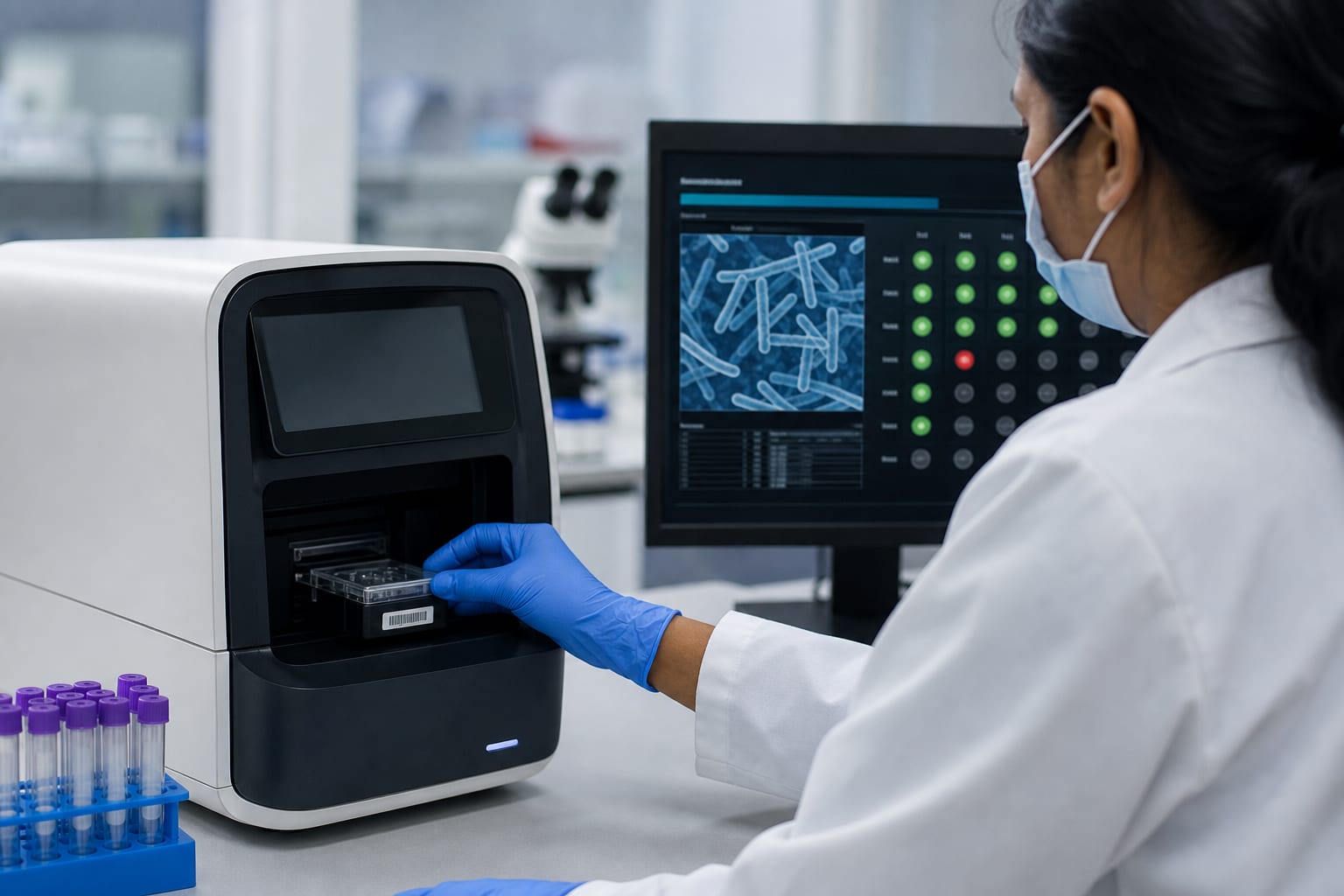
To provide a comprehensive overview of the epidemiology of tuberculosis (TB) in India and evaluate the impact of COVID-19, drug resistance, healthcare accessibility, and emerging diagnostic technologies on TB control efforts.
Approach:
Literature Review: A structured literature search was conducted using PubMed, Scopus, and Google Scholar, along with reports from the World Health Organization and the Government of India.
Key Findings:
India contributes approximately 26% of the global TB burden, with 2.7 million cases reported in 2023.
The incidence rate of TB in India declined from 237 cases per 100,000 population in 2015 to approximately 187 cases per 100,000 population in 2024.
Interpretation:
Integrated and patient-centred TB control strategies are necessary, combining rapid diagnostics, strengthened surveillance, public–private healthcare integration, and addressing broader socioeconomic determinants.
Limitations:
Challenges related to implementation, infrastructure, scalability, and antimicrobial stewardship remain unresolved.
Healthcare disparities and uneven access to diagnostics and treatment continue to hinder TB elimination.
Conclusion:
Coordinated multisectoral approaches will be essential for accelerating TB elimination efforts in India in the post-COVID era.