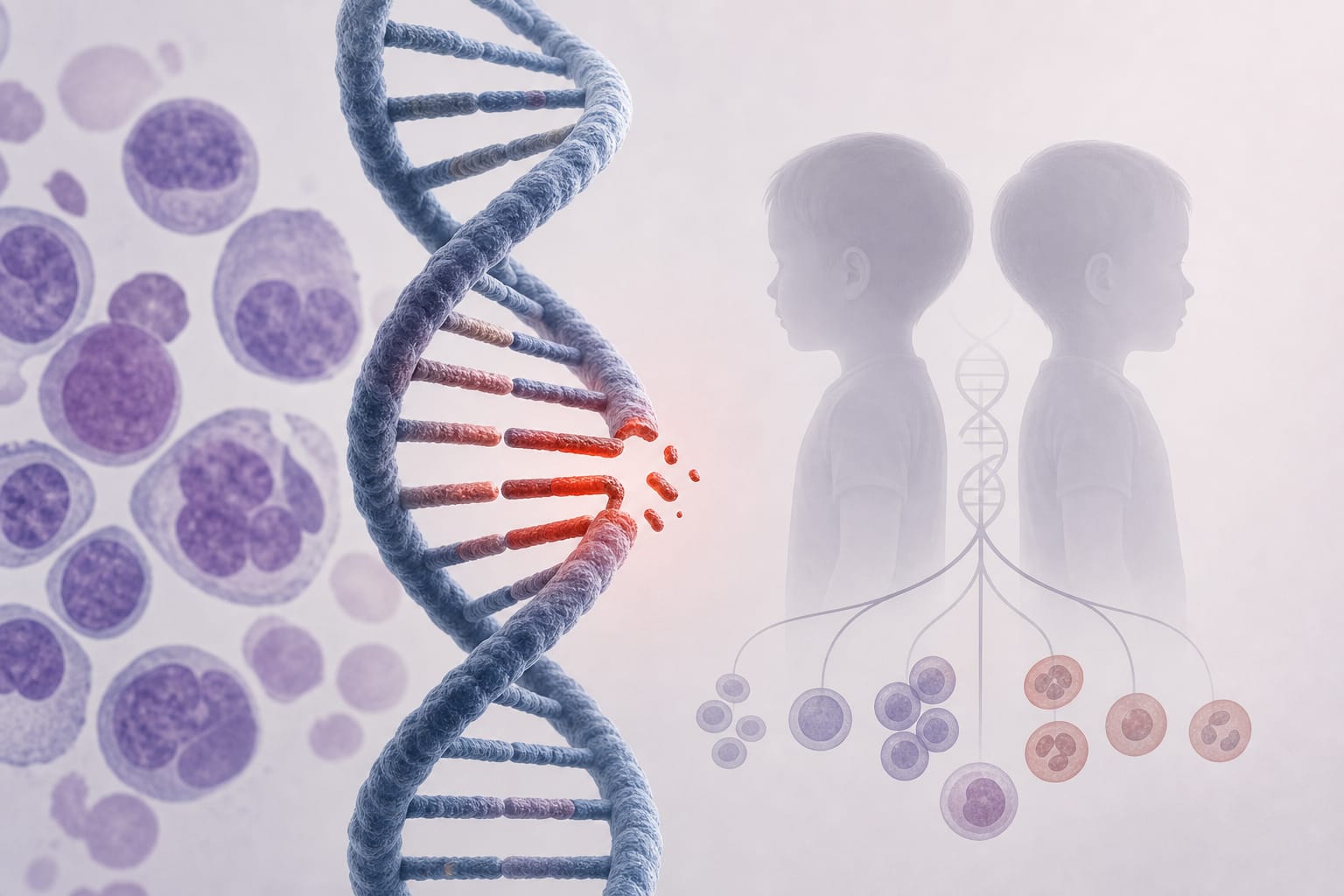
To describe the etiological spectrum, treatment approaches, clinical and laboratory characteristics in pediatric secondary hemophagocytic lymphohistiocytosis (sHLH) to improve awareness of this severe illness and summarize evolving management strategies, emphasizing the need for timely intervention.
Key Findings:
Median age at diagnosis was 2.67 years, with 52.7% under 3 years old.
Infection-associated HLH accounted for 78.2%, with EBV as the most common trigger (57.3%) and remaining cases attributed to rheumatic or malignant diseases.
Main clinical manifestations included fever (99.1%), lymphadenopathy (83.6%), splenomegaly (77.3%), and hepatomegaly (66.3%).
Respiratory involvement was seen in over half of patients; CNS involvement in 22.7% and MODS in 12.8%.
Characteristic lab abnormalities included pancytopenia, hyperferritinemia, and elevated sCD25 levels.
44.5% received HLH-94/04 chemotherapy, with a remission rate of 91.9% among those with EBV infection.
Overall in-hospital mortality was 13.6%, with MODS accounting for 73.3% of fatalities.
Interpretation:
Pediatric sHLH is a severe, multisystem inflammatory disorder primarily affecting infants and young children, with EBV infection as the main trigger. Abnormal liver function indicators and imbalanced lymphocyte subsets may serve as auxiliary diagnostic indicators, highlighting the need for improved clinical awareness.
Limitations:
Retrospective study design may introduce bias, including potential selection bias.
Limited generalizability due to single-center data.
Conclusion:
The study emphasizes the need for etiology-based individualized treatment and highlights the importance of recognizing additional diagnostic features beyond classic HLH criteria, reinforcing the significance of early diagnosis and intervention.