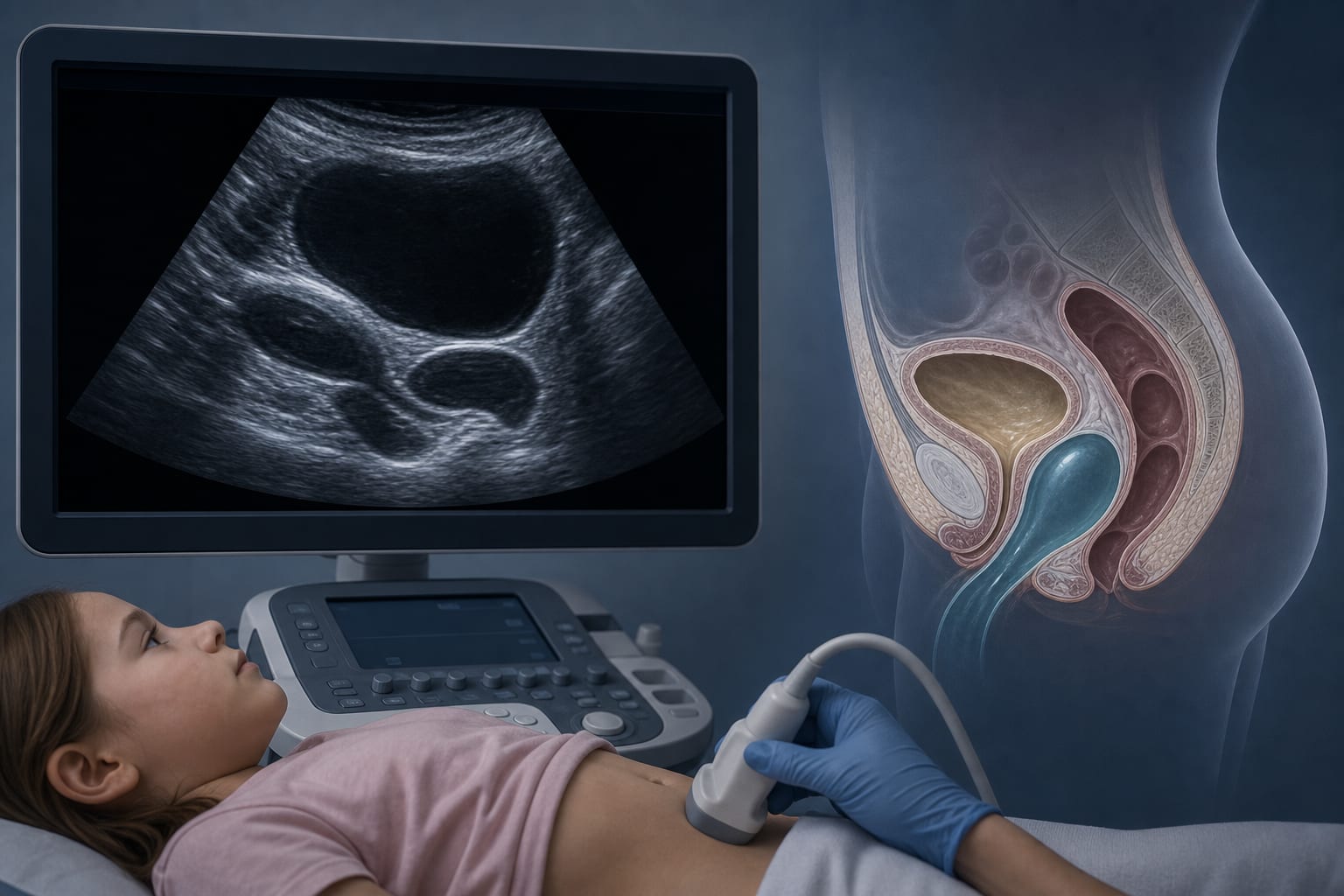
To describe the clinical and ecological characteristics of pediatric urolithiasis hospitalizations in endemic (Yucatan) and non-endemic areas of Mexico, addressing the significant gap in pediatric data.
Key Findings:
Total of 2,238 hospitalizations identified; national rate of 3.28 per 10,000 vs. 28.03 in Yucatan (p < 0.001).
Patients in Yucatan were younger (mean = 111 vs. 128 months, p < 0.001) and more likely to self-report as indigenous (4.9% vs. 2.3%, p = 0.01).
Majority of admissions originated from the emergency department (76% vs. 64%, p < 0.001).
Poverty positively associated with hospitalization rates (β = 0.06, p = 0.032).
Interpretation:
Pediatric urolithiasis in Yucatan is linked to younger age, indigenous status, and higher hospitalization rates, emphasizing the complex interplay of environmental and socioeconomic factors.
Limitations:
Retrospective design may limit causal inferences and introduce biases.
Potential underreporting of cases not captured in hospital discharge records.
Conclusion:
Poverty is a key determinant of pediatric urolithiasis in Yucatan, necessitating targeted preventive strategies, improved access to safe hydration, and culturally sensitive interventions in vulnerable populations, with implications for public health policy.
by Xally Camila Cahuantzi-Flores, Daniel Flores-Ocotzi, Juan Pablo Flores-Tapia, Rosa Esther Moo-Puc, Edgar Villarreal-Jimenez, Antonio Esqueda-Mendoza, Salvador Gomez-Carro, Nina Mendez-Dominguez