To discuss the findings of the Healthy Food First randomized trial and suggest improvements for food-is-medicine initiatives targeting hypertension and food insecurity.
Key Findings:
Both interventions improved blood pressure, but the stipend was more effective than the food box.
Blood pressure changes were modest despite significant improvements in food security.
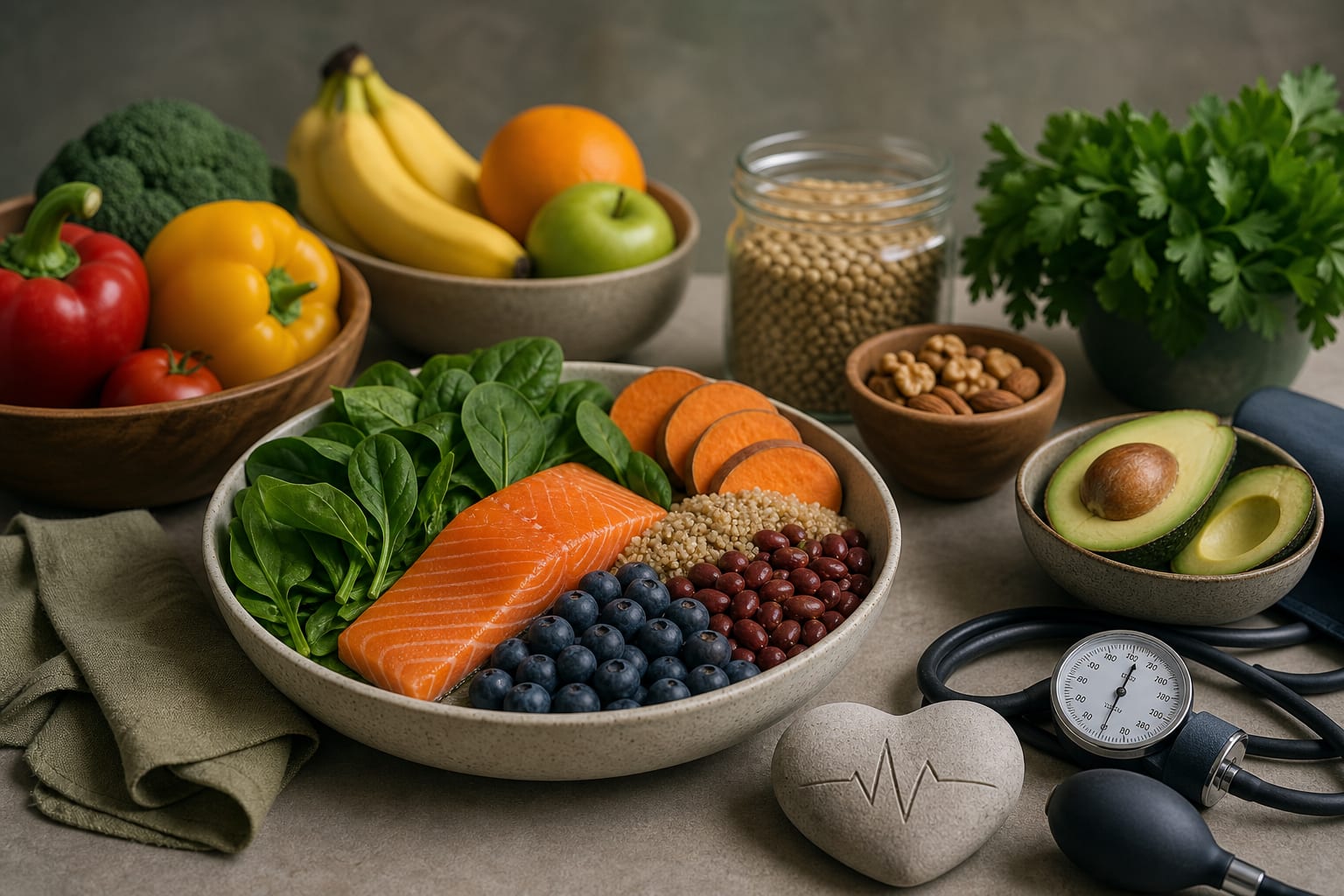
Quality and precision of groceries and participant choice are critical for intervention success.
Interpretation:
The findings suggest that optimizing nutrient quality and engaging participants in food selection may enhance the effectiveness of food-is-medicine programs.
Limitations:
Generalized healthful groceries may not adequately target specific biological pathways for blood pressure improvement.
Debate exists regarding the implications of restricting food choices for individuals experiencing food insecurity.
Conclusion:
Future food-is-medicine initiatives should focus on rigorous nutritional targets and participant engagement to effectively address food insecurity and cardiovascular health.