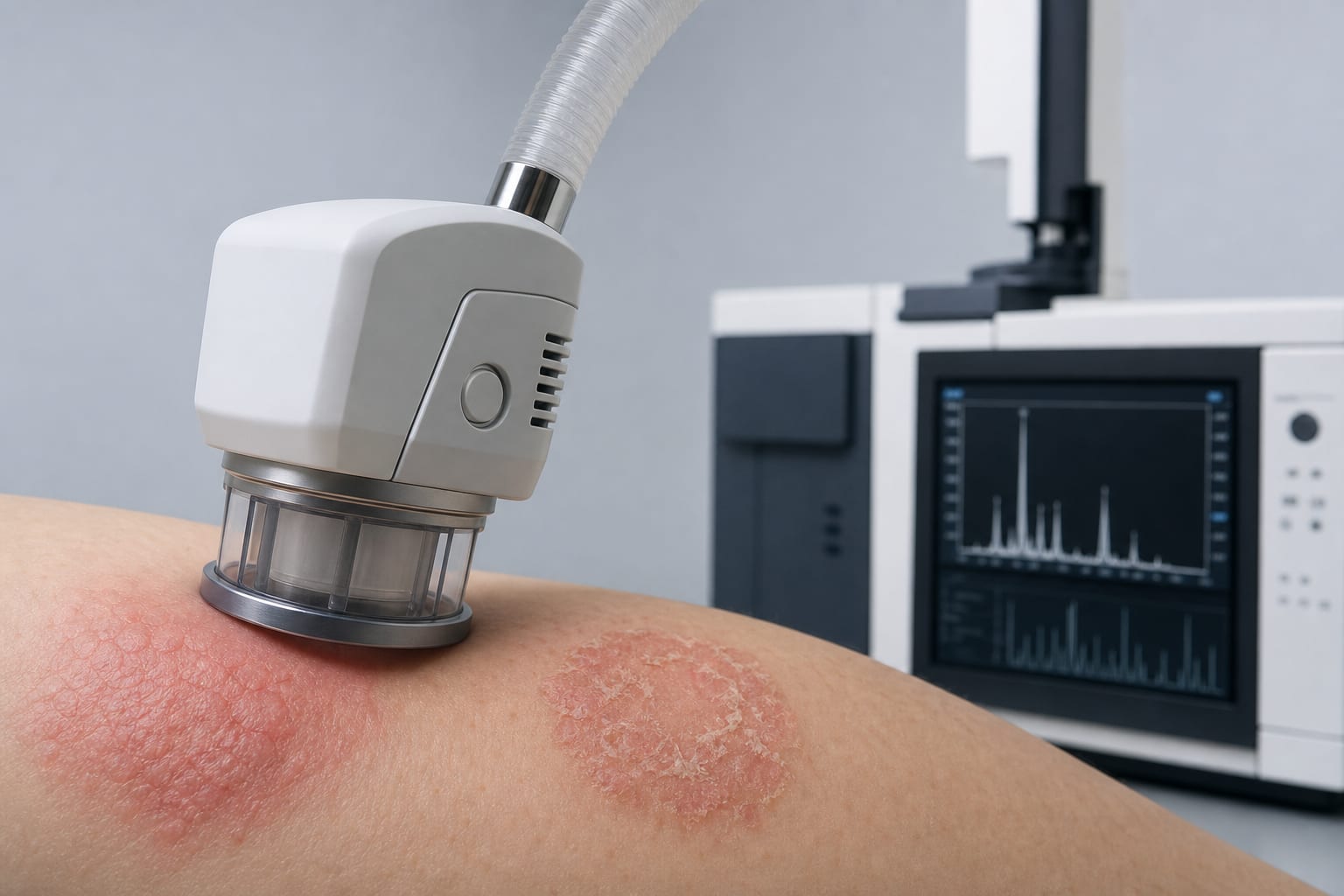
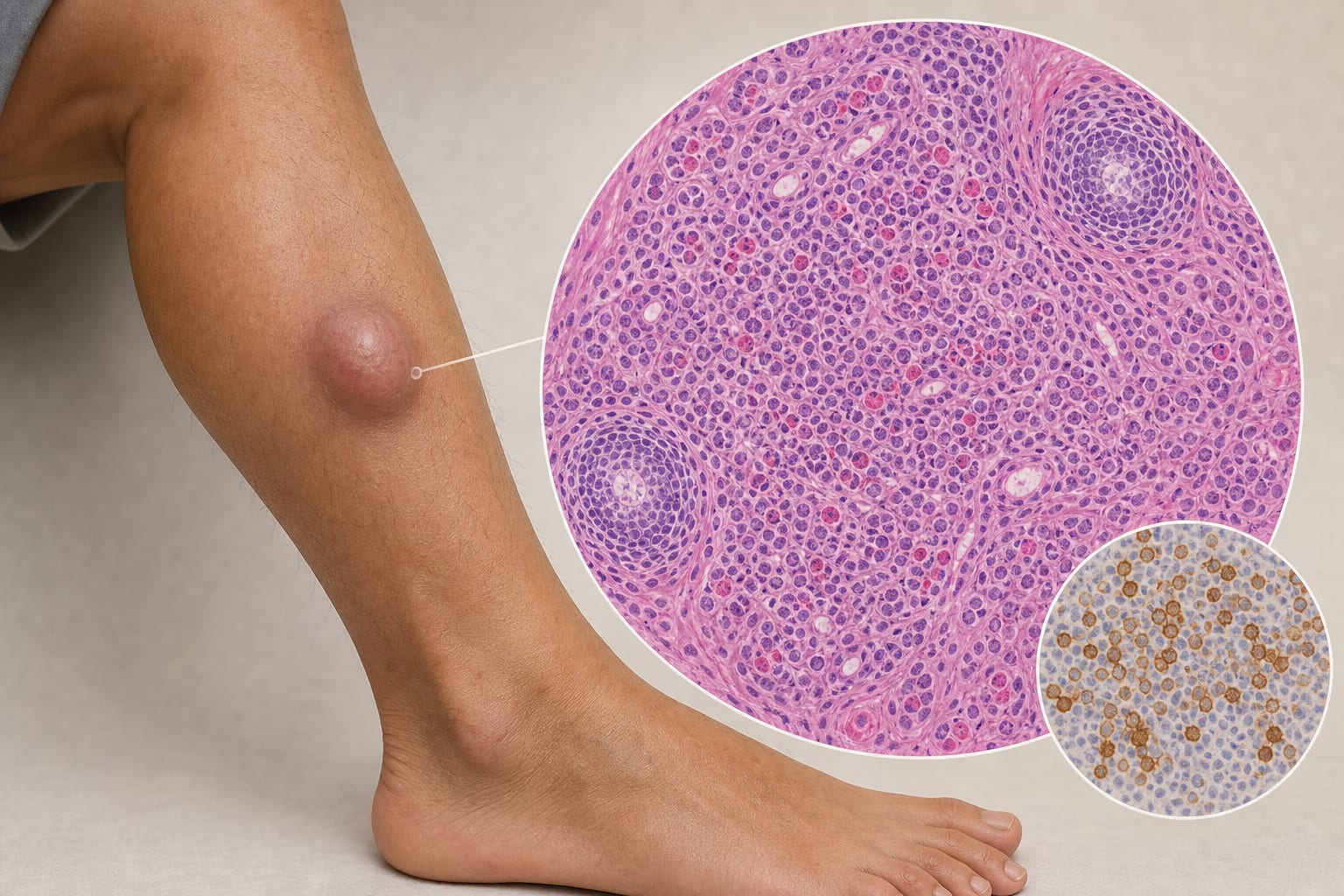
To propose a non-invasive method for differentiating superficial fungal infections from eczematous dermatitis using skin volatile organic compound (VOC) profiling.
Approach:
Key Findings:
Superficial fungal infections and eczematous dermatitis share overlapping clinical features, leading to diagnostic challenges.
Current diagnostic tests (KOH microscopy, fungal culture, PCR) have limitations including operator variability, turnaround time, and accessibility.
Fungal infections are expected to produce distinct VOC profiles characterized by specific metabolites such as alcohols, esters, and ketones, while eczema is anticipated to be rich in lipid peroxidation byproducts and inflammatory barrier-related volatiles.
Interpretation:
If validated, skin VOC profiling could serve as a rapid adjunctive triage method to support confirmatory testing and inform early management strategies.
Limitations:
Current diagnostic methods are influenced by operator skill and accessibility.
KOH microscopy has variable sensitivity and specificity.
Fungal culture is time-consuming and may not be available in all clinics.
PCR tests are inconsistent in availability and can be costly.
Conclusion:
The proposed method aims to address the unmet need for a rapid, non-invasive diagnostic tool to differentiate between fungal infections and eczema at the point of care.