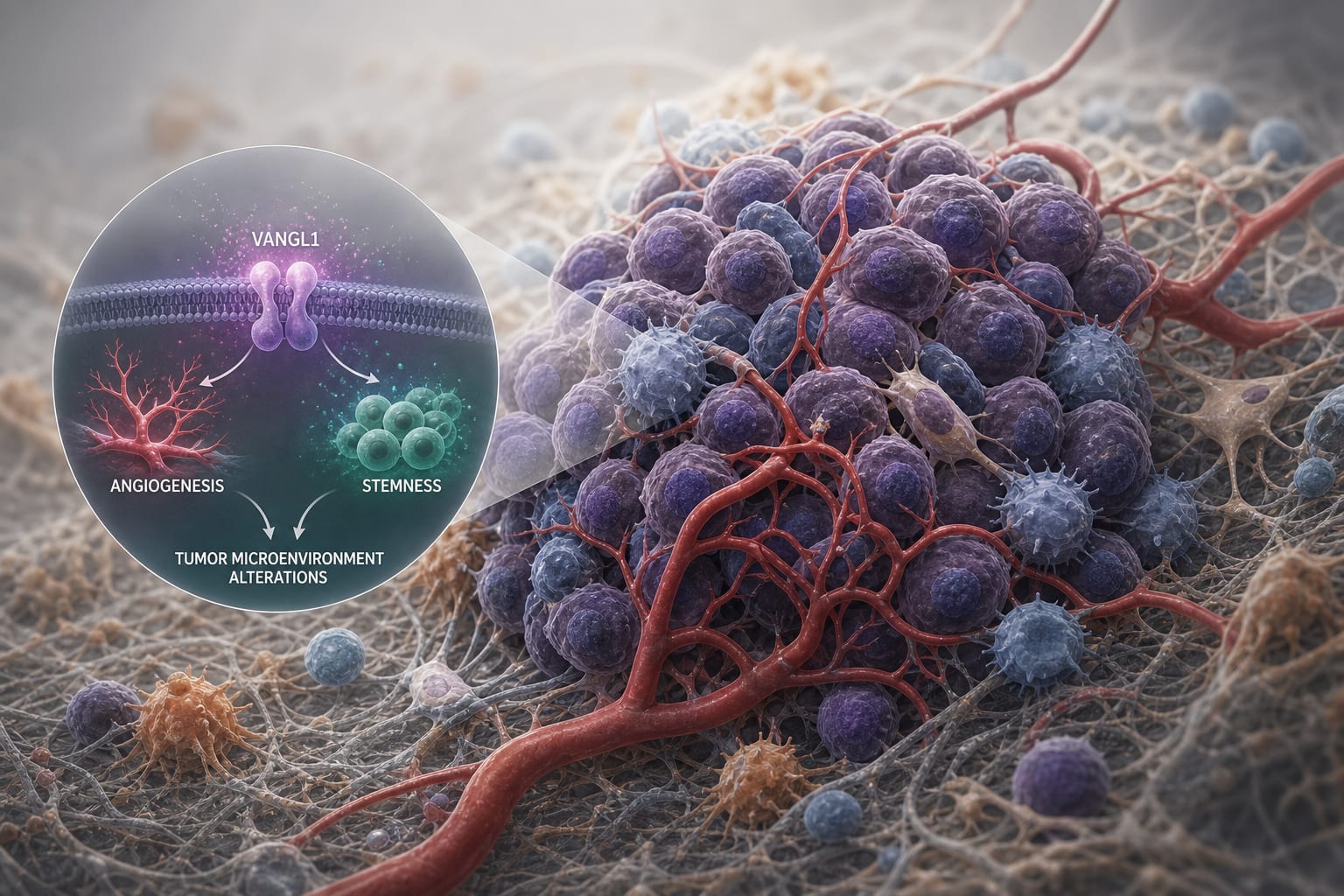
To delineate the immunopathological mechanisms driving melanoma progression within the immune microenvironment, emphasizing the critical role of immune interactions in therapeutic outcomes.
Key Findings:
Immune dysregulation in the TME is crucial for melanoma progression and therapeutic resistance, impacting treatment efficacy.
Tumor-associated macrophages are reprogrammed to a pro-tumoral phenotype through metabolic alterations, which may be targeted therapeutically.
Hypoxic conditions in the TME enhance immune evasion by inhibiting dendritic cell maturation and T-cell function, suggesting a need for hypoxia-targeted therapies.
Interpretation:
The intricate immune interactions within the melanoma TME contribute significantly to immune evasion and resistance to therapies, underscoring the urgent need for targeted therapeutic strategies that address these mechanisms.
Limitations:
The review primarily focuses on mechanistic insights without extensive clinical trial data, particularly lacking in phase III trial outcomes.
Further research is needed to validate the proposed therapeutic approaches in clinical settings, especially regarding their long-term effectiveness.
Conclusion:
Understanding the immune interactions within the melanoma TME is essential for developing more effective immunotherapeutic strategies, highlighting the need for innovative approaches to enhance treatment outcomes.