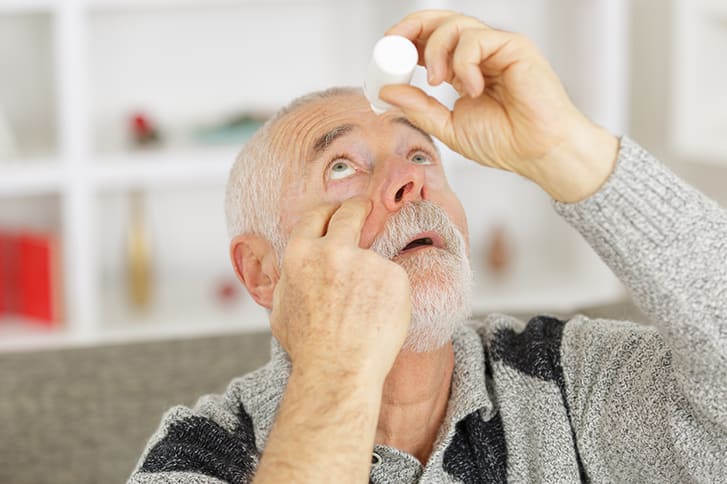
To evaluate the effectiveness of a structured, motivational interviewing-based coaching program on medication adherence and glaucoma-related distress.
Approach:
Key Findings:
SEE group showed significantly higher adherence (mean 78%) compared to controls (mean 58%).
55% of SEE participants achieved at least 80% adherence, versus 24% of controls.
The intervention led to a meaningful reduction in glaucoma-related distress, particularly in emotional burden and regimen-related distress.
Interpretation:
The SEE program demonstrates that personalized, motivational interviewing-based coaching can effectively enhance medication adherence and reduce distress in glaucoma patients.
Limitations:
The study was conducted at two specific health systems, which may limit generalizability.
Long-term effects beyond the 6-month period were not assessed.
Conclusion:
The findings support the use of multifaceted, personalized interventions for improving adherence and reducing distress in glaucoma management.
The key is execution, understanding the clinical landscape, controlling device cost, engineering the intraoperative workflow, and scheduling/staffing with intention.