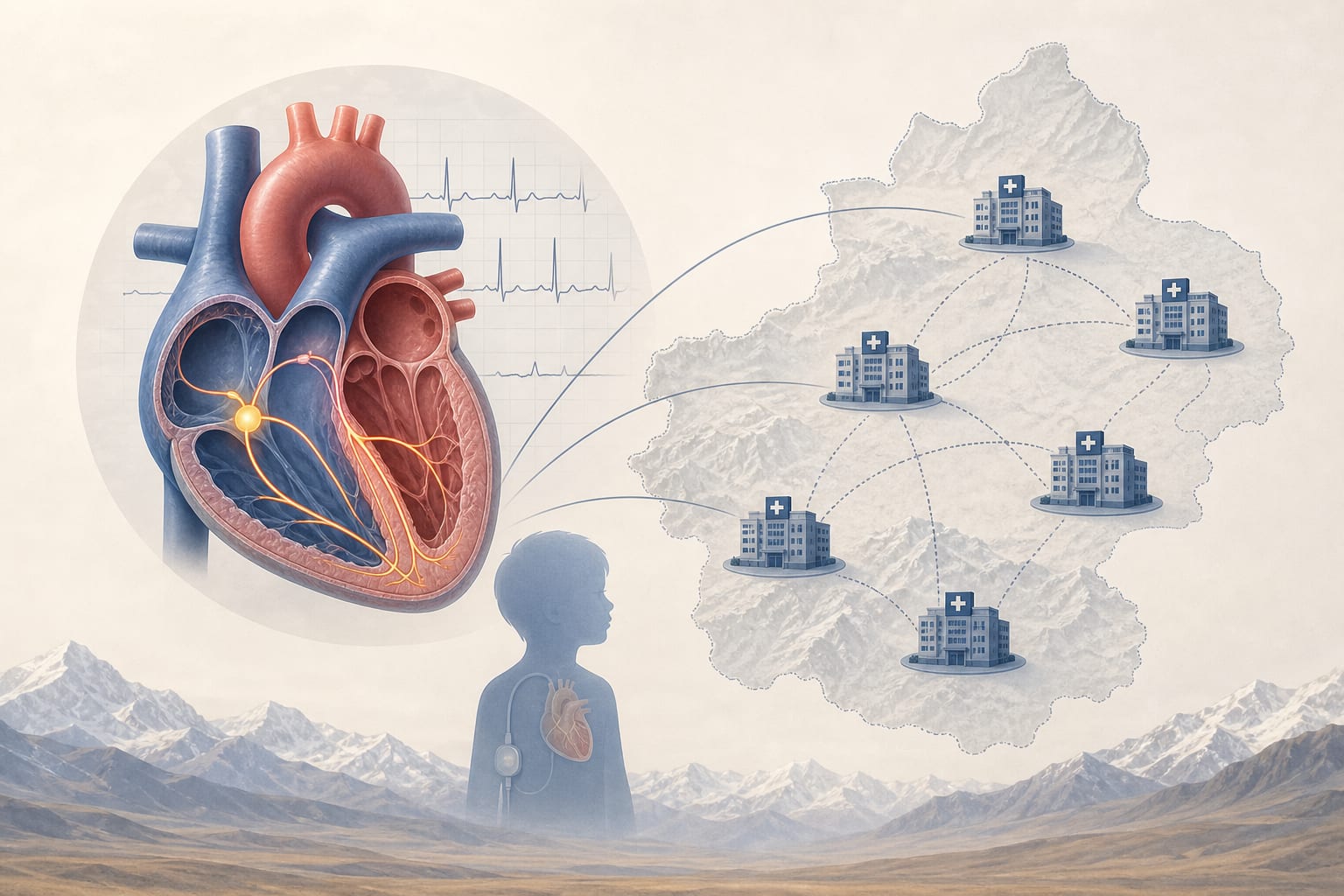
To develop and validate a cardiotoxicity screening platform that integrates high-purity ventricular-like hiPSC-CMs with advanced AI modeling techniques to enhance the assessment of proarrhythmic risks associated with drug candidates.
Key Findings:
The AI-enhanced model captures complex, non-linear patterns of cardiotoxicity, significantly outperforming traditional single-biomarker approaches, with a ROC-AUC of 0.982 compared to previous models.
The platform successfully identifies hidden proarrhythmic risks that conventional viability assays miss, demonstrating a more nuanced understanding of drug effects.
Integration of diverse electrophysiological features allows for a more comprehensive evaluation of drug effects, enhancing predictive accuracy.
Interpretation:
The study demonstrates that combining hiPSC-CMs with AI modeling can improve the predictive accuracy of cardiotoxicity assessments, providing a more human-relevant approach to drug safety evaluation.
Limitations:
The study primarily focuses on a limited set of reference compounds and anticancer agents, which may not represent all therapeutic classes, potentially introducing bias in AI predictions.
Long-term monitoring is required to fully capture time-dependent cardiotoxic effects, which may not be feasible in all experimental setups.
Conclusion:
The integrated AI-hiPSC-CM platform represents a significant advancement in preclinical cardiotoxicity screening, bridging the gap between laboratory assessments and clinical cardiac safety, and paving the way for safer drug development.
Joint clinical consensus outlines evaluation and management considerations for arrhythmias, coronary atherosclerosis, aortic dilatation, myocardial fibrosis, and related findings in older competitive athletes.