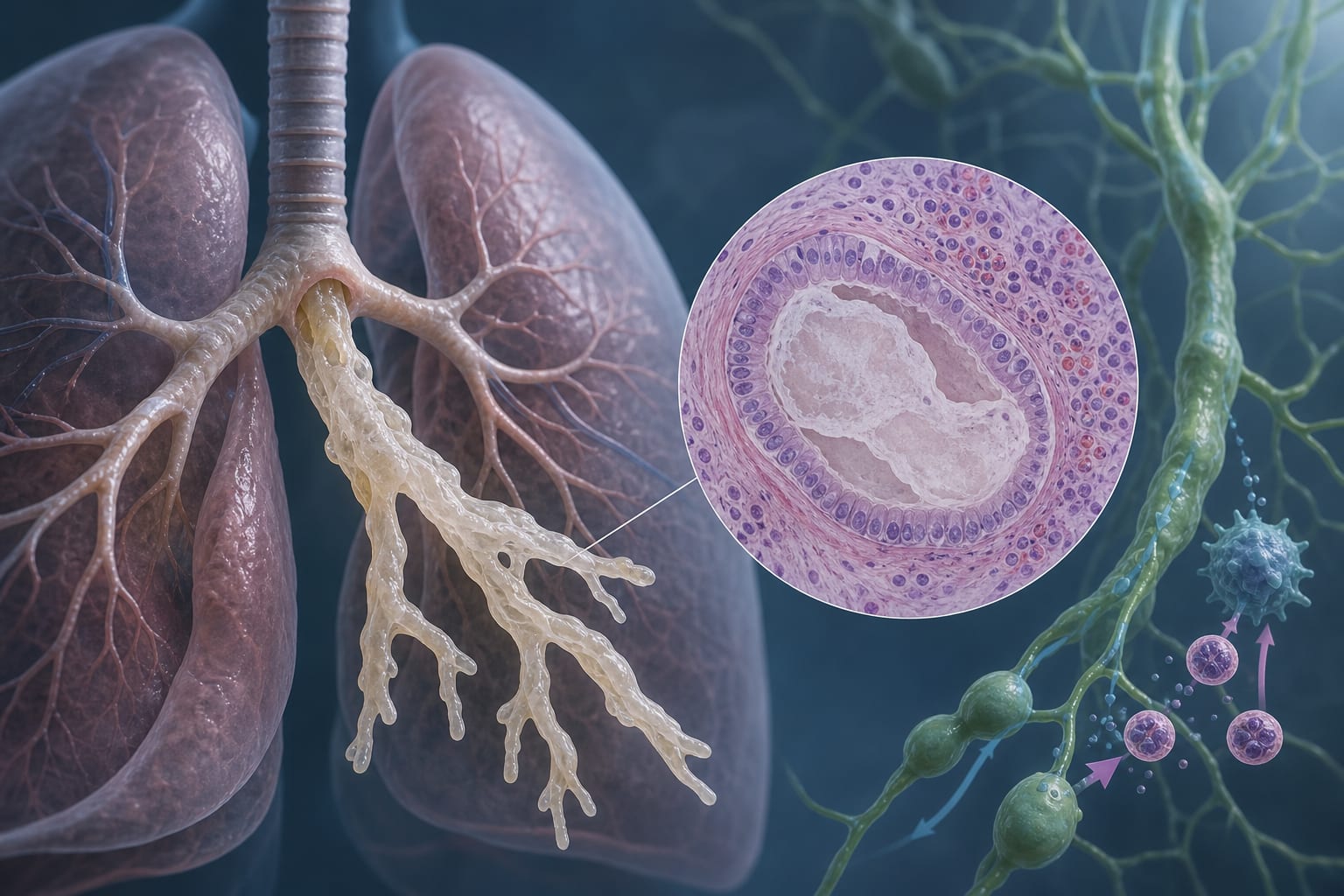
To investigate the association between infections and subsequent acute myocardial infarction (AMI) risk, and to assess differences across specific infection types and age groups.
Key Findings:
Pneumonia, UTI, and soft tissue/bone infections are associated with increased AMI rates compared to unexposed controls, particularly significant within the first 30 days.
Highest AMI risk observed within the first 0-30 days post-infection: pneumonia HR 3.39, UTI HR 2.44, soft tissue/bone infection HR 1.84.
Relative rates of AMI decreased over time but remained elevated throughout the follow-up period.
No significant association found for CNS infections; endocarditis showed increased risk only at 31-90 days (HR 2.28).
Interpretation:
Acute infections, particularly pneumonia, significantly increase the risk of AMI across various age groups, indicating a potential trigger effect for AMI and highlighting the need for clinical awareness.
Limitations:
Study limited to hospitalized patients, potentially excluding milder cases that could also contribute to AMI risk.
Data reliant on accurate coding and diagnosis in national registers, which may introduce bias.
Conclusion:
Infections, especially pneumonia, are linked to a heightened risk of AMI, particularly within the first 30 days, suggesting a need for monitoring and preventive strategies in infected patients.
by Emilie Marie Juelstorp Pedersen, Harman Yonis, Gertrud Baunbæk Egelund, Nicolai Lohse, Christian Torp-Pedersen, Birgitte Lindegaard, Andreas Vestergaard Jensen
The nurse practitioner profession claims the No. 1 spot across three categories in the U.S. News & World Report 2026 Best Jobs rankings for the third consecutive year.