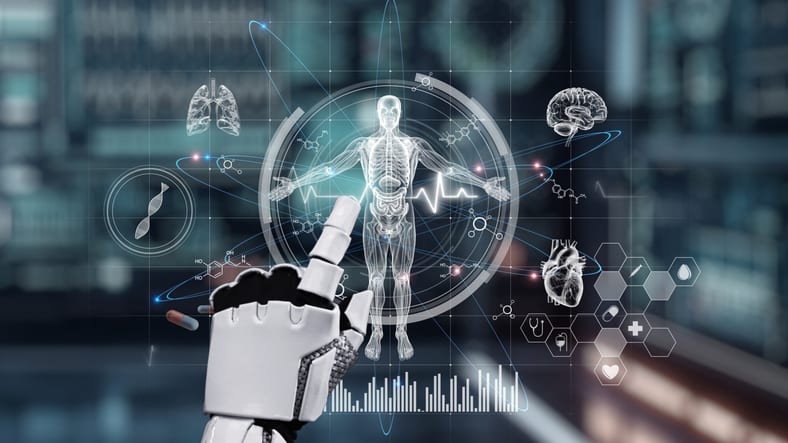
To review the applications of machine learning (ML) in non-diabetic endocrine disorders, with a particular emphasis on thyroid-related research.
Key Findings:
68% of studies focused on thyroid diseases, 20% on pituitary disorders, 7% on adrenal disorders, and 5% on parathyroid diseases.
ML showed high diagnostic performance in thyroid nodule evaluation, malignancy prediction, and lymph node metastasis detection, with some models achieving accuracy comparable to expert radiologists.
Pituitary ML models demonstrated effective differentiation of cystic adenomas and predicted treatment responses.
Adrenal ML studies achieved high accuracy in differentiating tumor types and improving screening processes.
Parathyroid ML applications enhanced detection accuracy and surgical outcomes.
Interpretation:
ML applications in endocrinology are promising, particularly in thyroid-related research, but face challenges in validation and clinical integration, necessitating strong interdisciplinary collaboration.
Limitations:
Lack of model transparency and data imbalance.
Small sample sizes and reliance on retrospective designs, limiting generalizability.
Infrequent external validation and standardized reporting.
Research imbalance favoring thyroid diseases over rarer endocrine disorders.
Conclusion:
High-quality, well-designed ML research is needed in endocrinology, with interdisciplinary collaboration essential for successful integration into clinical practice.
Three amino acid metabolism genes showed diagnostic signal in testicular tissue, though small sample sizes and computational methods limit clinical translation.