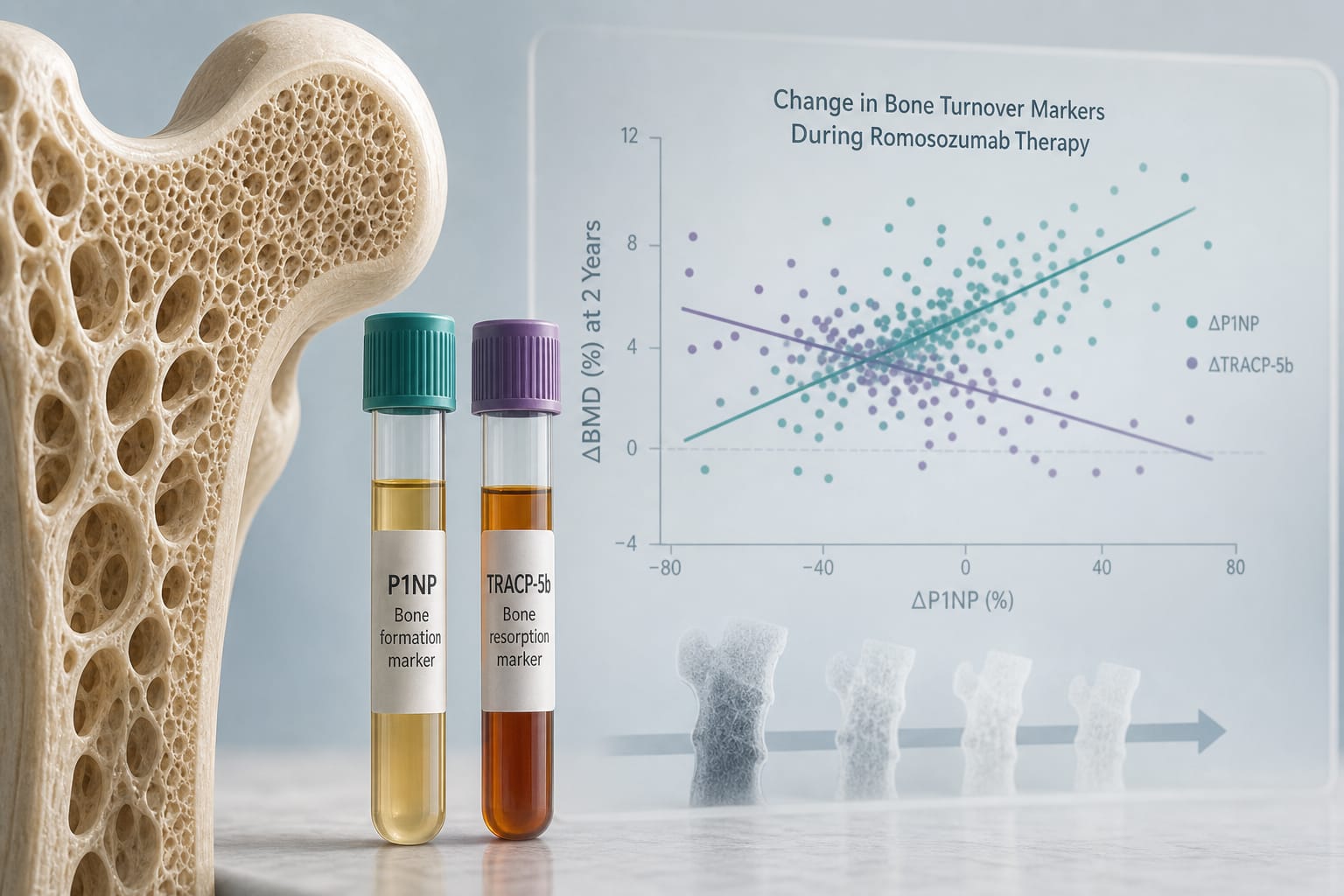
To develop and validate a prediction model integrating clinical characteristics and novel biomarkers to identify patients at high risk for poor response to anti-osteoporosis therapy prior to treatment initiation, thereby supporting personalized therapeutic decision-making.
Key Findings:
Eight independent predictors of poor treatment response identified: comorbid diabetes, history of fragility fracture, glucocorticoid use for ≥ 6 months, femoral neck BMD T-score, and serum levels of osteocalcin, procollagen type I N-terminal propeptide, β-CTX, and 25-Hydroxyvitamin D.
Interpretation:
The RF-based model effectively predicts inadequate treatment response in osteoporosis patients, highlighting the importance of integrating clinical and biomarker data.
Limitations:
Single-center study may limit generalizability. The retrospective design may introduce bias due to reliance on existing records and potential missing data.
Conclusion:
A robust predictive model for assessing osteoporosis treatment efficacy was developed, showing potential for precision management in osteoporosis by identifying high-risk patients before treatment.