To investigate the mechanisms of descending pain modulation in humans, focusing on specific pathways and factors that influence pain perception.
Key Findings:
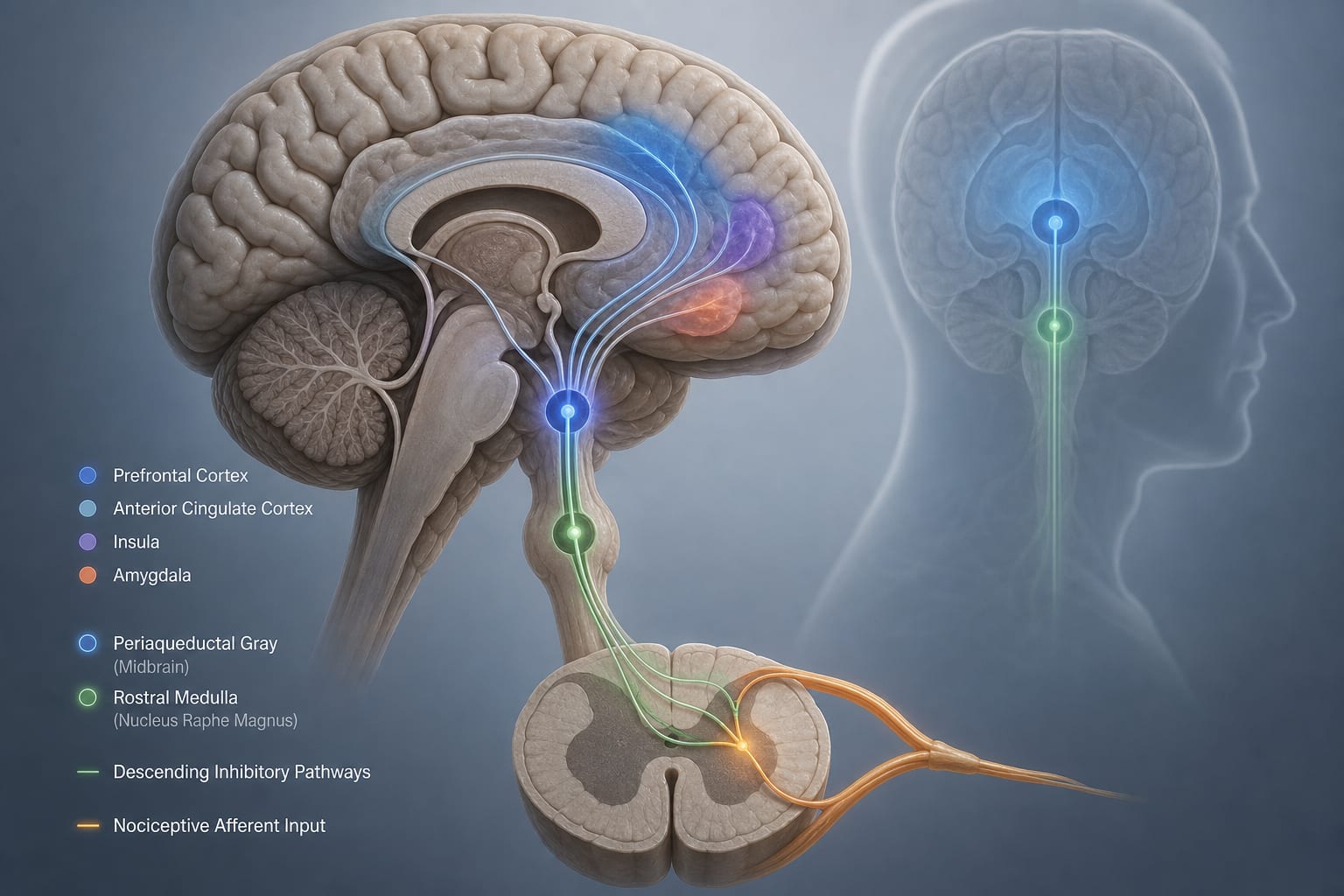
The periaqueductal grey (PAG) and rostral medulla are central hubs of descending pain modulation.
Cortical regions such as the prefrontal cortex, anterior cingulate cortex, insula, and amygdala show variable contributions to pain modulation.
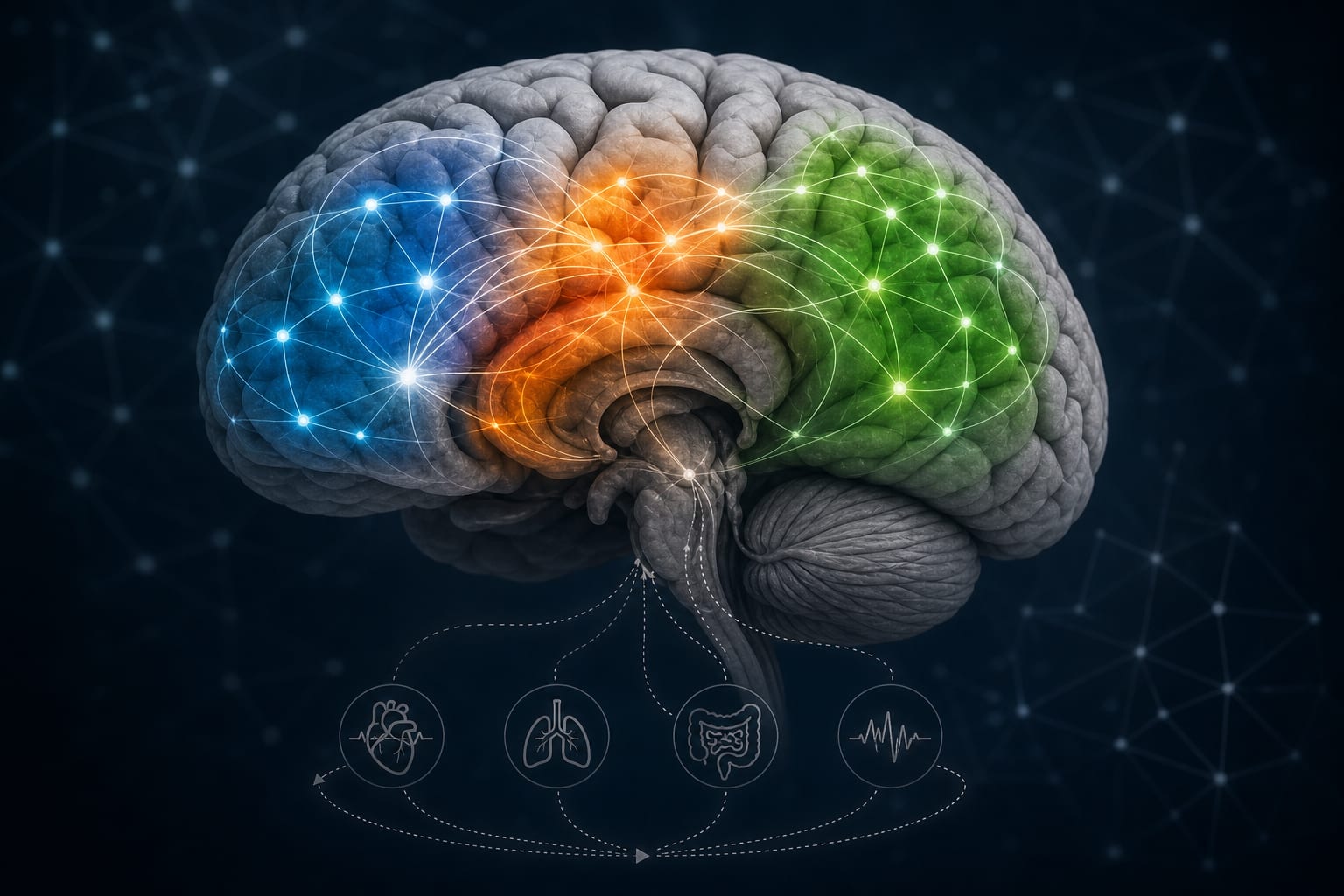
Cognitive and emotional processes can modulate descending pain pathways through altered connectivity between cortical and brainstem regions.
Therapeutic applications like transcranial direct current stimulation and spinal cord stimulation affect descending modulatory circuits.
Interpretation:
The findings provide new insights into the functional architecture of descending pain modulation in humans, emphasizing the need for further research to clarify specific mechanisms and their implications for treatment.
Limitations:
Exclusion of non-primary sources may limit the breadth of understanding, particularly regarding emerging studies.
The review did not include ongoing studies or those awaiting classification, which may overlook recent advancements in the field.
Conclusion:
The review highlights significant progress in understanding pain modulation mechanisms while indicating areas for further research.
In a target-trial emulation of more than 600,000 veterans, GLP-1 RA initiators saw fewer new substance use disorders—and patients with existing SUDs had fewer overdoses, hospitalizations, and deaths.
Creatine's ATP-buffering trick isn't just for biceps. In mice, it juices up dendritic cells' energy supply, sharpening T-cell priming and shrinking tumors on daily injections. Human DCs got the memo too, at least in a dish. Early days, but a fun plot twist for gym-bag chemistry.