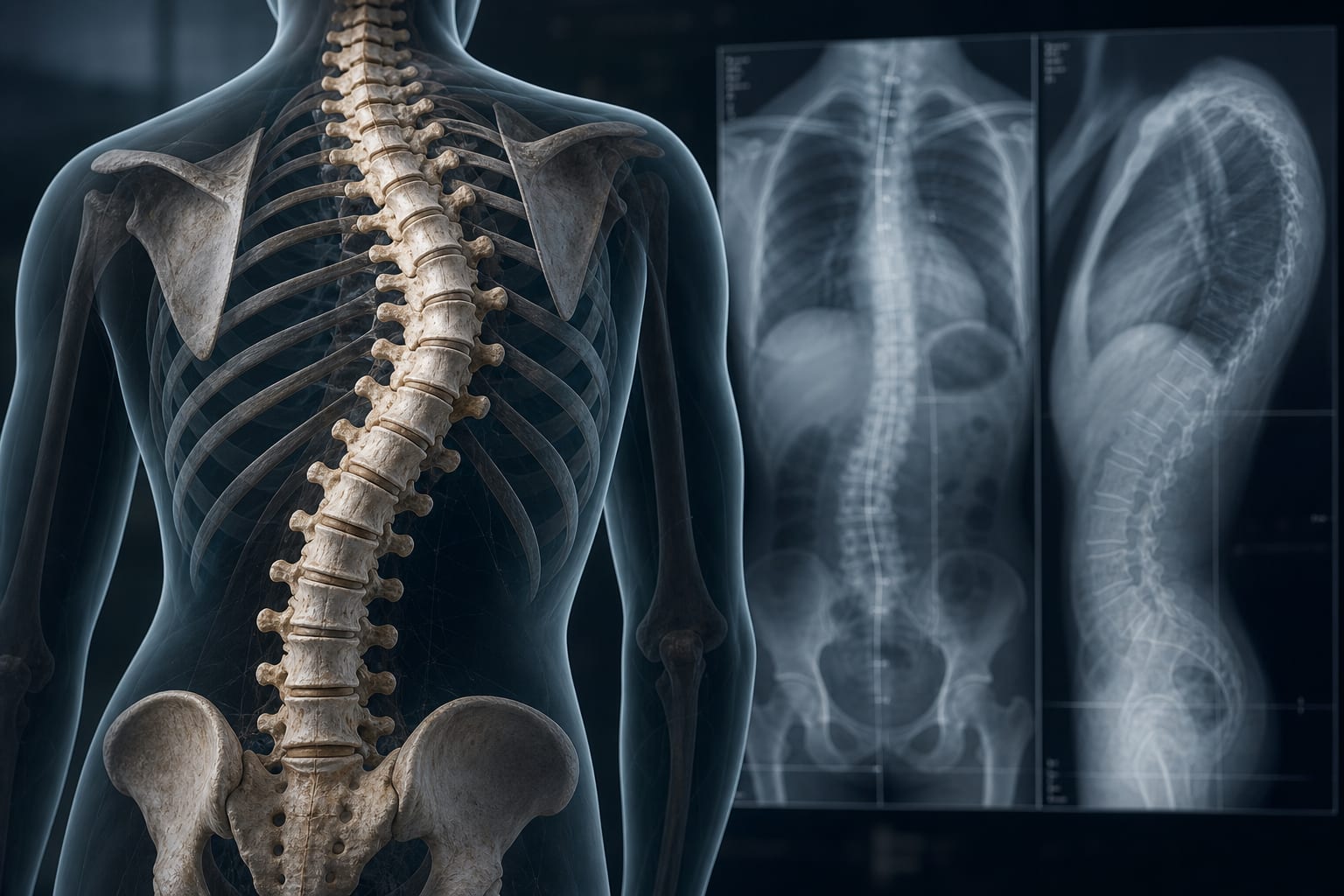
To synthesize evidence around the challenges in the clinical management of Adult Degenerative Scoliosis (ADS), focusing on diagnostic difficulties, pain management strategies, and surgical considerations.
Approach:
Diagnostic Challenges: Addresses the heterogeneous etiology of ADS and the symptom overlap with other degenerative conditions that complicate diagnosis.
Pain Management: Highlights the necessity for multimodal, longitudinal strategies to effectively manage the chronic pain associated with ADS.
Surgical Considerations: Examines the complexities of surgical decision-making, weighing the benefits of deformity correction against the risks of complications and patient expectations.
Key Findings:
ADS is characterized by a progressive spinal deformity due to asymmetric degeneration of intervertebral discs and facet joints.
Diagnosis of ADS is often complicated by overlapping symptoms with other conditions, leading to delays.
Pain in ADS is multifactorial, necessitating a multimodal approach for effective management.
Surgical options range from decompression to long-segment fusion, with varying risks based on patient factors.
Interpretation:
A patient-centered, individualized, and multidisciplinary approach is essential for managing ADS effectively.
Limitations:
The review does not provide specific prognostic models or detailed outcomes for various treatment strategies.
It may not address all potential complications or variations in surgical techniques.
Conclusion:
Future research should focus on improving diagnostic precision, developing minimally invasive techniques, and ensuring durable pain management.
SpineLine has named Hao-Hua Wu, MD to its 2025 20-Under-40 list, highlighting him as one of the nation’s rising leaders shaping the future of spine care.
Researchers evaluated perioperative and postdischarge factors associated with opioid refill prescriptions during the first 90 days after inpatient otolaryngology–head and neck surgery.