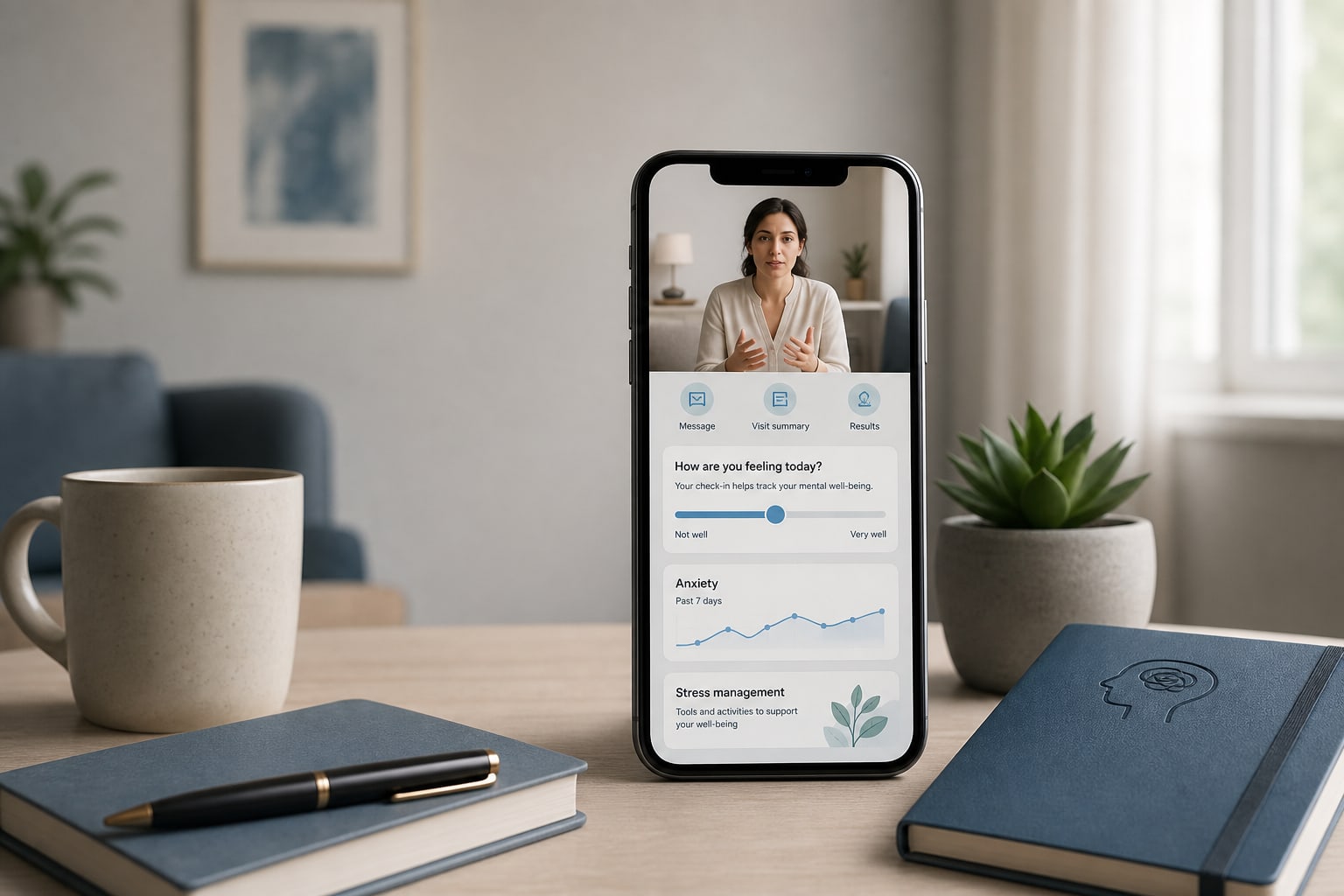
To evaluate whether digital health engagement behaviors are associated with psychological distress in adult populations, considering sociodemographic and health-related factors.
Approach:
Study Design: Cross-sectional study using data from the Health Information National Trends Survey (HINTS), analyzing responses from 23,682 adults.
Data Collection: Data pooled from HINTS-5, HINTS-6, and HINTS-7 conducted between 2017 and 2024, focusing on health communication, behaviors, digital health use, and psychosocial outcomes.
Psychological Distress Measurement: Psychological distress assessed using the PHQ-4, measuring symptoms of anxiety and depression over the previous two weeks.
Digital Engagement Measurement: Digital health engagement measured using a composite index of five indicators related to digital health-management activities.
Key Findings:
The study found associations between digital engagement metrics and psychological distress after adjusting for various sociodemographic and health-related factors.
Interpretation:
The findings suggest that engagement metrics used in clinical settings may need to be interpreted with caution, as they could indicate underlying psychological states.
Limitations:
The study is cross-sectional, limiting causal inferences.
Data is based on self-reported measures, which may introduce bias.
Conclusion:
Digital health engagement behaviors may not solely indicate patient activation but could also reflect psychological distress.