To evaluate the efficacy and outcomes of the seagull excision technique for treating pilonidal sinus disease, specifically comparing recurrence rates and complications to the Bascom cleft lift technique.
Key Findings:
The seagull technique had a lower rate of surgical site infection (2%) compared to the cleft lift group (p < 0.05).
Overall wound complication rates were lower in the seagull group (12%) compared to the cleft lift group.
Recurrence rates were similar between the two techniques (4% for seagull vs. 6% for cleft lift).
Hospital stay, drain removal time, postoperative pain scores, and cosmetic satisfaction were comparable between groups. Ensure statistical significance is noted where applicable.
Interpretation:
The seagull excision technique appears to offer advantages in reducing surgical site infections and wound complications while maintaining similar recurrence rates compared to the Bascom cleft lift technique. Highlight the relevance of these findings in the context of existing surgical options.
Limitations:
The study is retrospective and may have selection bias. Discuss how these limitations could affect the generalizability of the results.
The sample size is limited to 100 patients, which may affect generalizability. Suggest the need for larger studies to confirm findings.
Conclusion:
The seagull excision technique is a promising alternative for treating pilonidal sinus disease, particularly in reducing complications, while achieving comparable outcomes to established methods. Emphasize the necessity for further research to validate these findings.
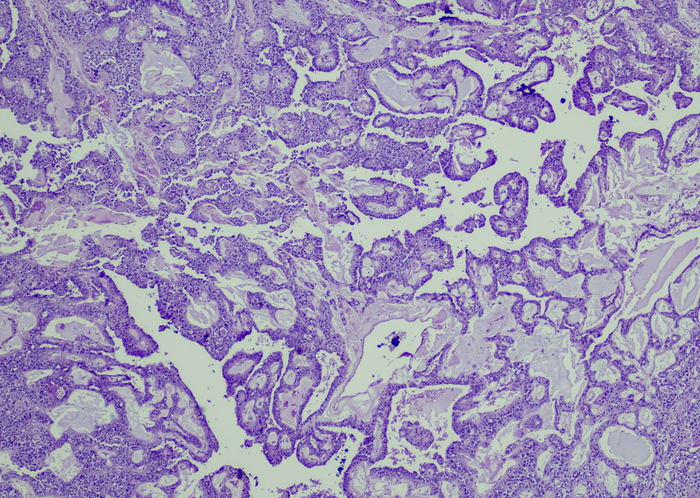
Pancreatic adenocarcinoma, the most common form of pancreatic cancer, accounts for roughly 90 to 95 percent of cases. It's notoriously difficult to catch early, because symptoms often don't appear until the disease has already spread