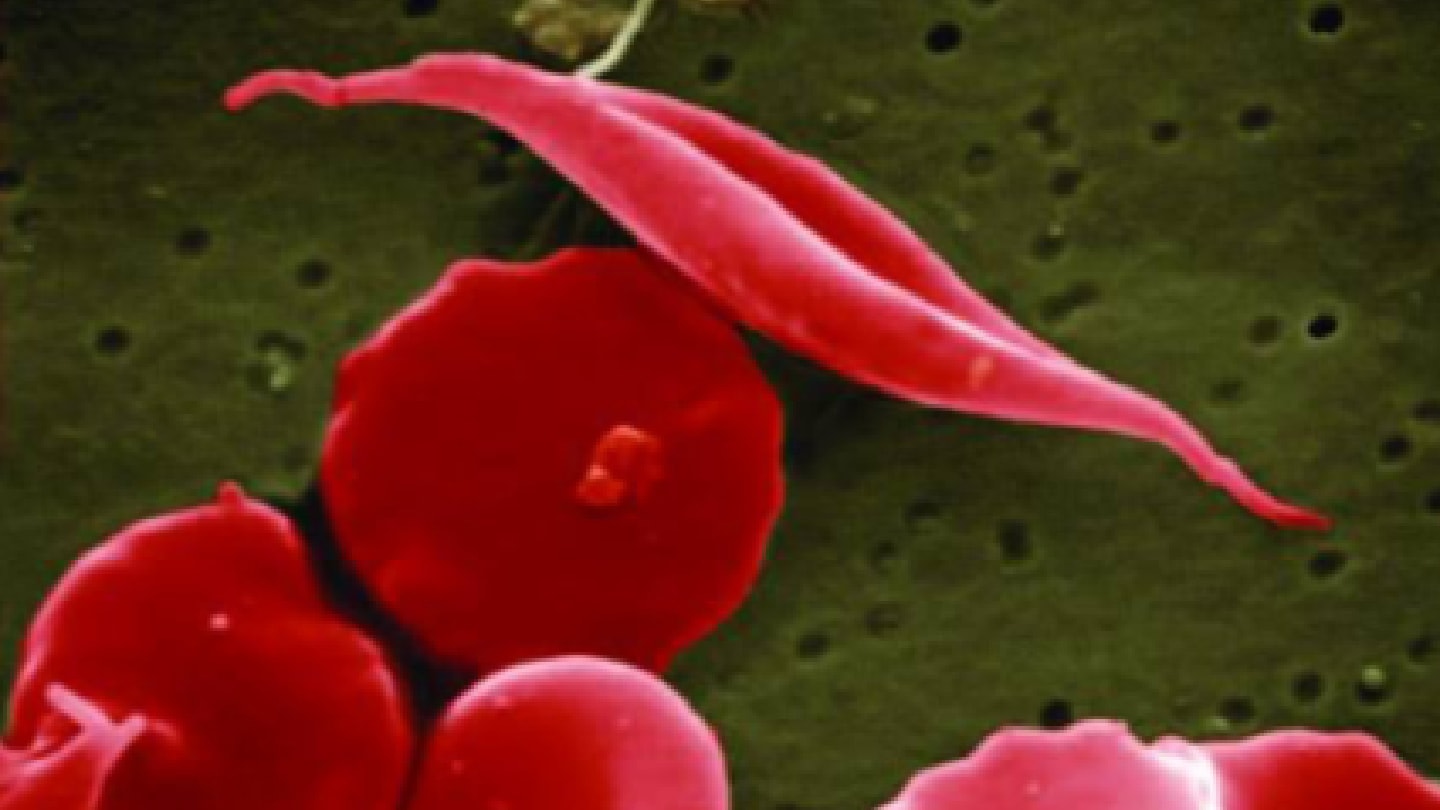
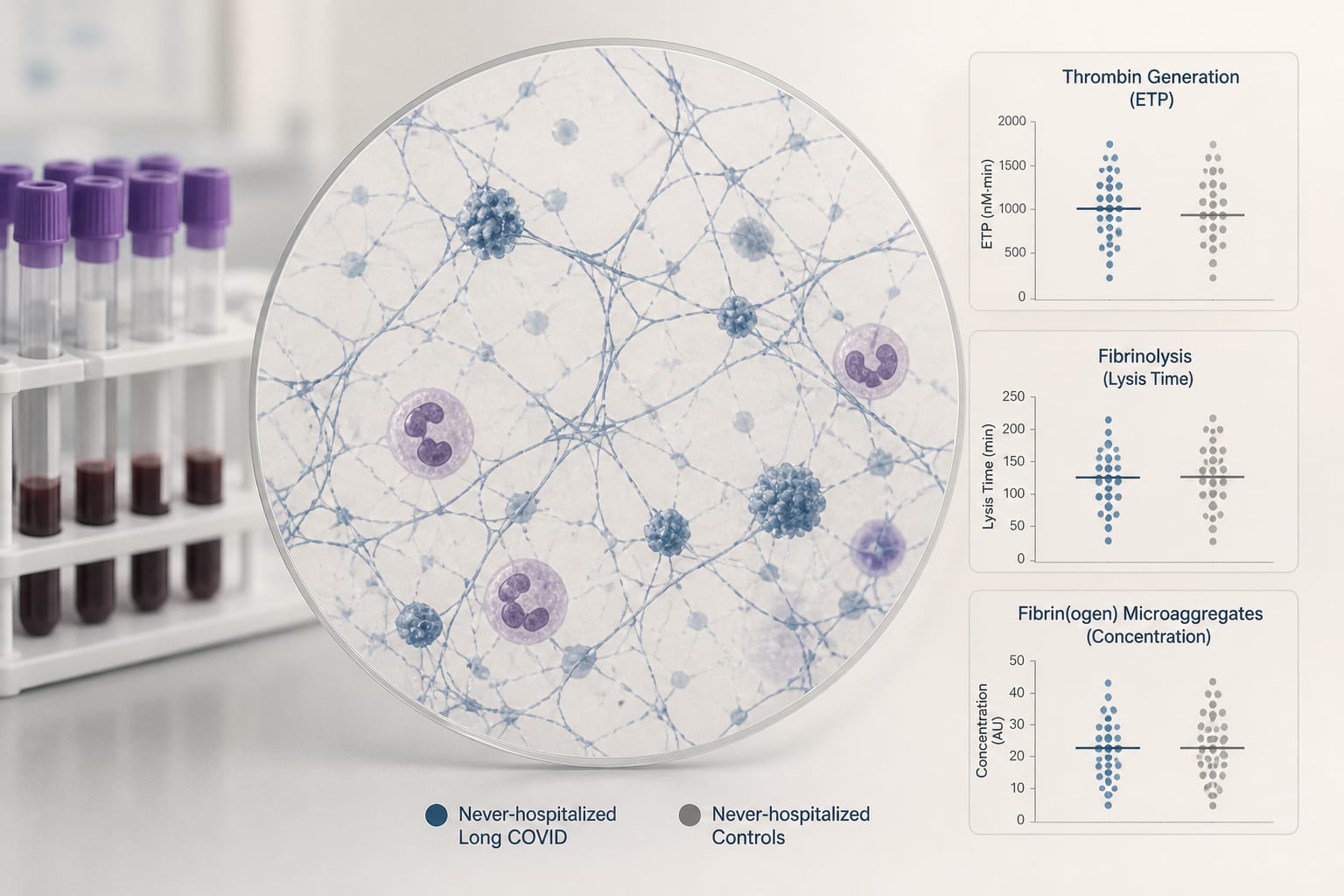
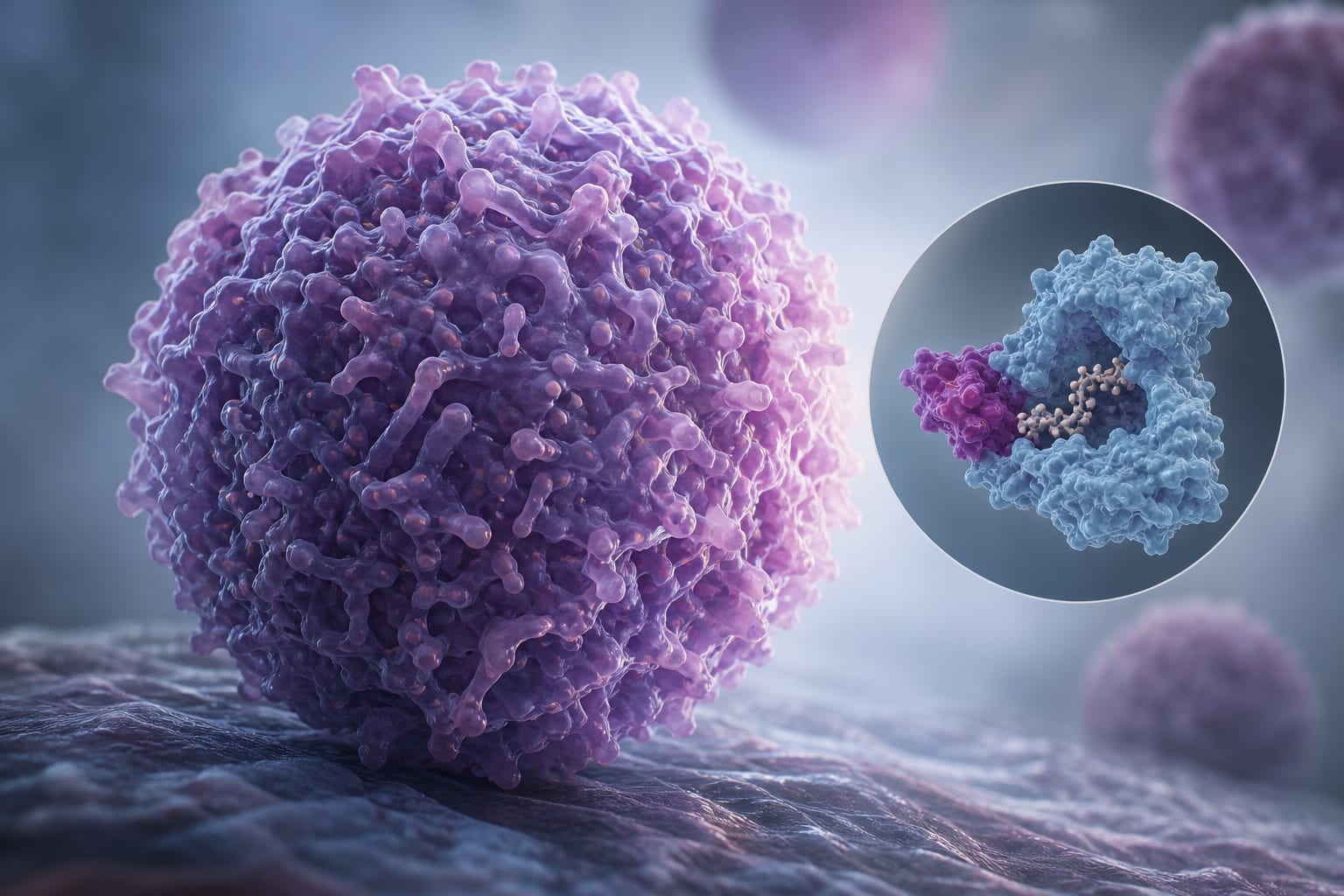
Develop and evaluate a clinical-scale manufacturing process for CRISPR_SCD001, an autologous stem-cell therapy designed to directly correct the sickle mutation in HBB.
Approach:
Cell processing: CD34-positive cells collected from mobilized peripheral blood were cultured for two days, electroporated with CRISPR-Cas9 and a corrective single-stranded DNA template, then washed, cryopreserved, and tested.
Manufacturing evaluation: The team conducted seven development runs, including four at clinical scale, using cells from healthy donors and people with sickle cell disease.
Functional and preclinical testing: Researchers assessed edited cells differentiated into red blood cells, off-target editing and chromosomal findings, and engraftment and toxicity in mice.
Key Findings:
Clinical-scale lots averaged 89% CD34-positive cell purity and 84% viability.
An average of 22% of HBB alleles were corrected; insertions or deletions occurred in 51%.
In vitro, sickle hemoglobin decreased from 89% to 22%; adult and fetal hemoglobin reached 39% and 40%, respectively.
Editing at one previously identified intergenic off-target site averaged 4%. No HBB–off-target translocations were detected above the 0.01% assay threshold; the two lots assessed had normal karyotypes.
In mice, edited cells engrafted at lower levels than unedited controls but persisted in multiple hematopoietic tissues after 16 weeks. Correction frequencies remained close to pre-transplant levels, and investigators found no noteworthy treatment-related toxicity or abnormal tissue changes.
The process has been used to manufacture products for two participants in an ongoing Phase I/II trial.
Interpretation:
The study reports a clinical-scale process for manufacturing CRISPR_SCD001 and preclinical findings on editing, cell function, and engraftment. The ongoing Phase I/II trial will assess safety, engraftment, and persistence of corrected cells in patients.
Limitations:
The supplied context does not report clinical outcomes from the two trial participants.
Normal karyotypes were reported for only two lots, and mouse engraftment was lower for edited cells than for unedited controls.