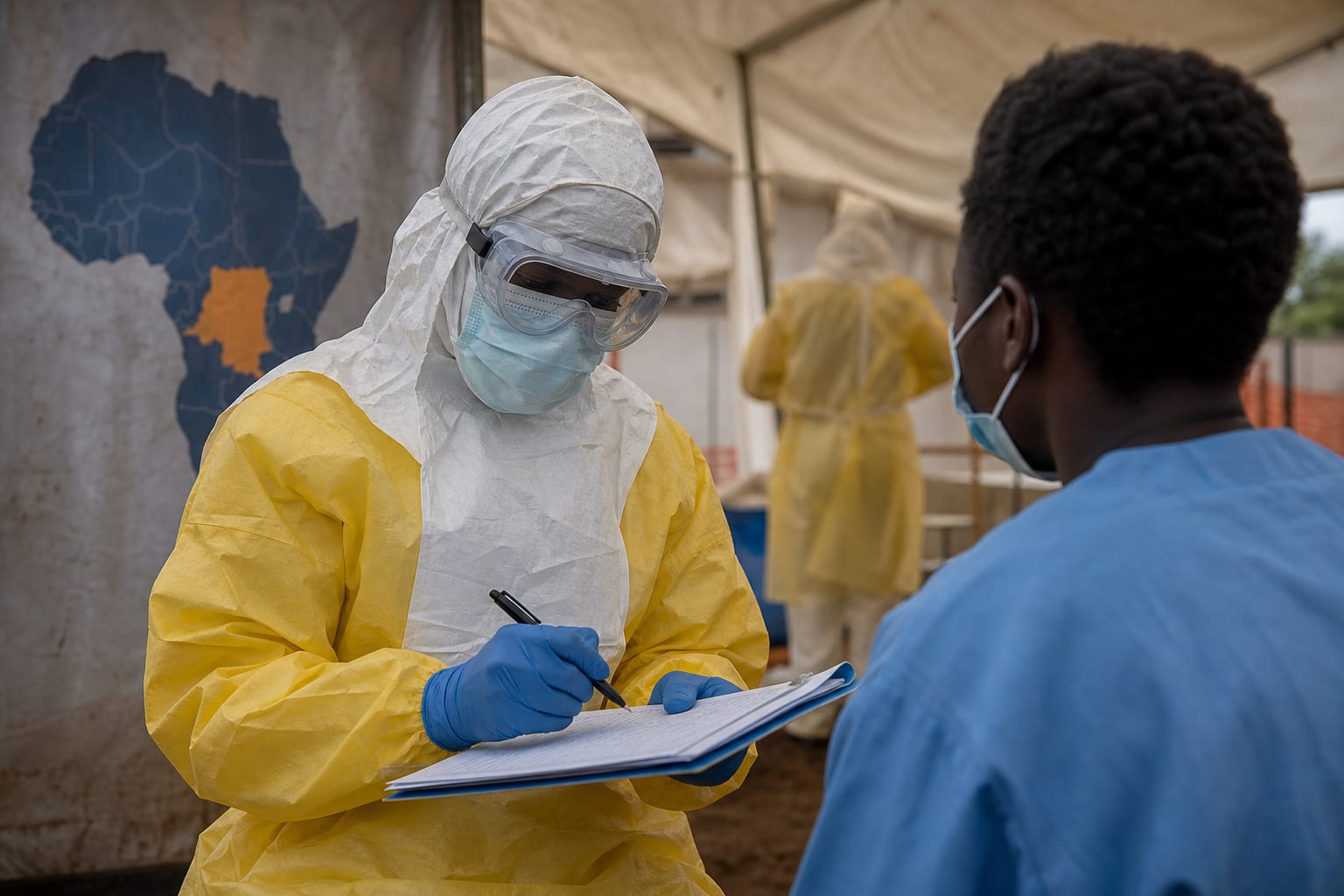
To address criticisms regarding the WHO's response to the Ebola outbreak in the Democratic Republic of the Congo.
Key Findings:
WHO was alerted to a possible outbreak on May 5 and sent a team to support national health officials.
Initial tests were negative due to the rare Bundibugyo strain, requiring advanced diagnostics.
Challenges included the outbreak's location in a conflict-affected area and symptoms resembling other common infections, complicating the response.
Interpretation:
The complexity of the outbreak, including its remote location and the nature of the virus, contributed to delays in detection and response, highlighting the need for improved surveillance.
Limitations:
The DRC's ongoing conflict and migration issues severely hindered health care access, complicating the response efforts.
Early symptoms of Ebola can mimic other diseases, complicating initial diagnosis and delaying treatment.
Conclusion:
The WHO's response to the Ebola outbreak is shaped by multiple factors, including the complexity of the outbreak and the operational challenges faced, and criticisms may stem from misunderstandings of their role.