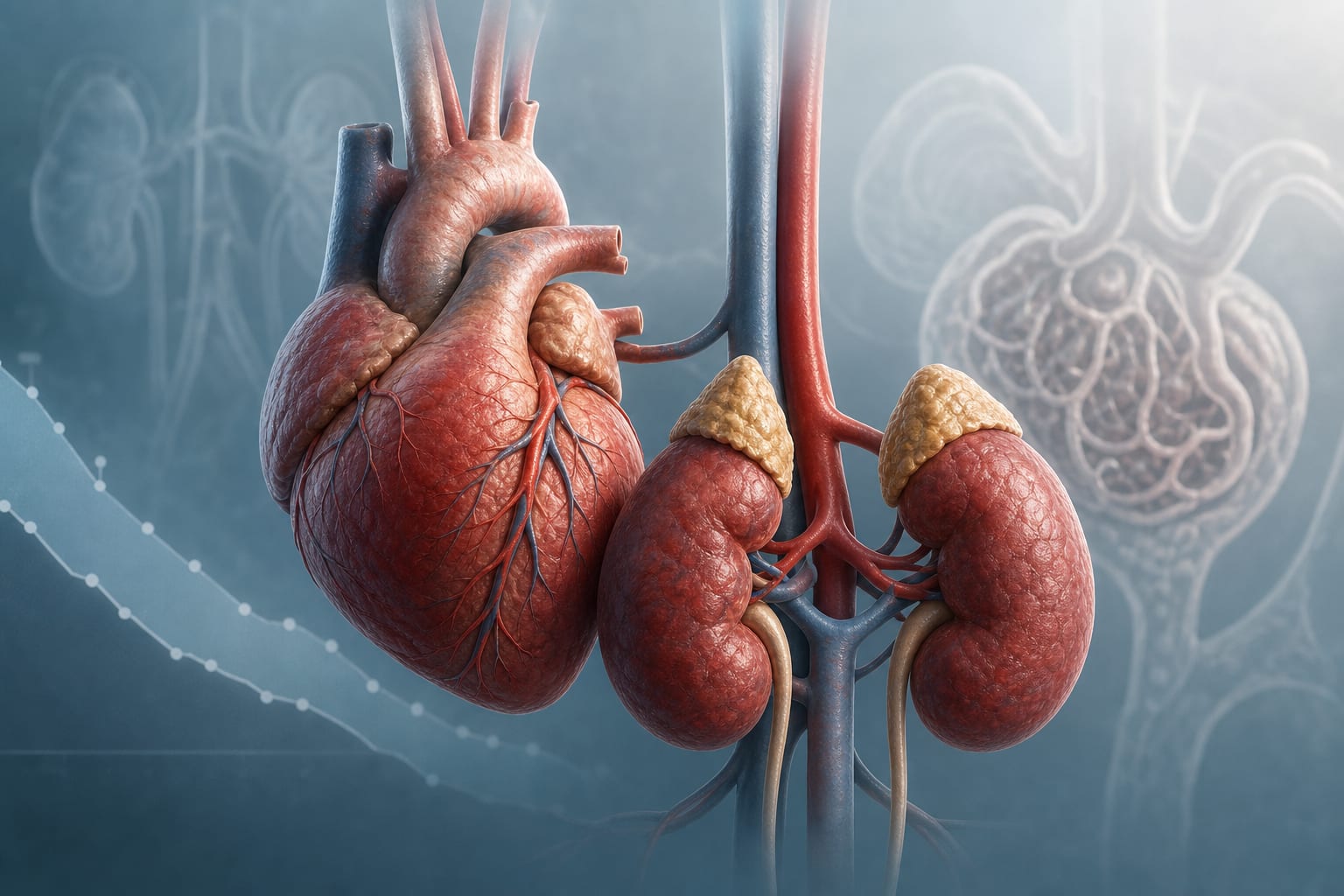
To examine the association between selected autoimmune diseases, including type 1 diabetes, rheumatoid arthritis, and others, and newly diagnosed atrial fibrillation (AF) in routine outpatient care, while considering sex differences.
Key Findings:
Autoimmune diseases, including type 1 diabetes and rheumatoid arthritis, are associated with an increased risk of atrial fibrillation.
The overall adjusted hazard ratio for AF incidence in patients with AIDs was 1.63 compared to the general population.
Sex differences were observed, with varying strengths of association between AIDs and AF in men and women.
Interpretation:
The findings suggest that autoimmune disorders contribute to the risk of developing atrial fibrillation, highlighting the need for awareness of cardiovascular risks in patients with AIDs.
Limitations:
The study relies on outpatient data, which may not capture all relevant clinical information, potentially affecting the generalizability of the findings.
Information on disease duration, activity, or severity of AIDs was not available, which may influence the association with AF.
Potential misclassification of AF diagnoses may exist due to coding practices, which could impact the accuracy of the results.
Conclusion:
Autoimmune disorders are linked to an increased risk of atrial fibrillation, emphasizing the importance of monitoring cardiovascular health in patients with these conditions.