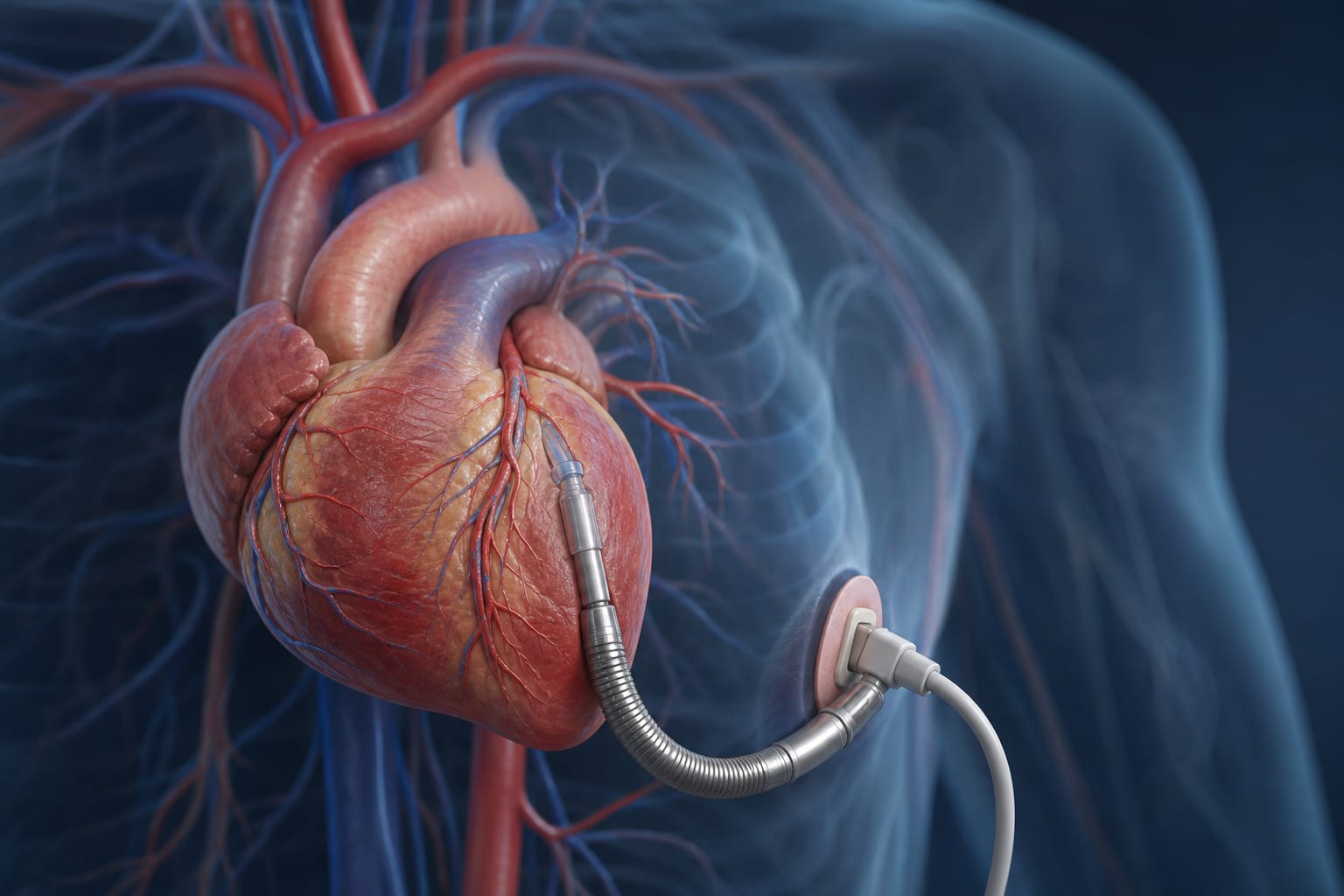
To assess whether a porcine heart preserved for 24 h using a novel ECMO-based ESHP system can maintain function after orthotopic transplantation, potentially expanding the donor heart utilization beyond current limits.
Key Findings:
Cardiac output increased from 5.94 L/min (baseline) to 6.78 L/min (immediately post-transplant, p = 0.006) and 7.06 L/min at 4 h post-transplant (p = 0.017).
Oxygen consumption increased significantly at 4 h post-transplant to 172.88 mL/min/m² (p = 0.0322 vs. donor).
No evidence of acute graft dysfunction was observed.
Interpretation:
Normothermic preservation of the heart using the ESHP protocol for 24 h maintained graft viability and function in a porcine transplantation model, suggesting significant potential for improving clinical outcomes in heart transplantation.
Limitations:
Study conducted in a porcine model, which may not fully replicate human responses.
Limited sample size of five transplantations, raising questions about generalizability.
Potential ethical concerns related to the use of animal models in transplantation research.
Conclusion:
The ECMO-based ESHP system effectively preserved cardiac function for 24 h, indicating its potential to expand the donor heart pool and improve transplantation outcomes.