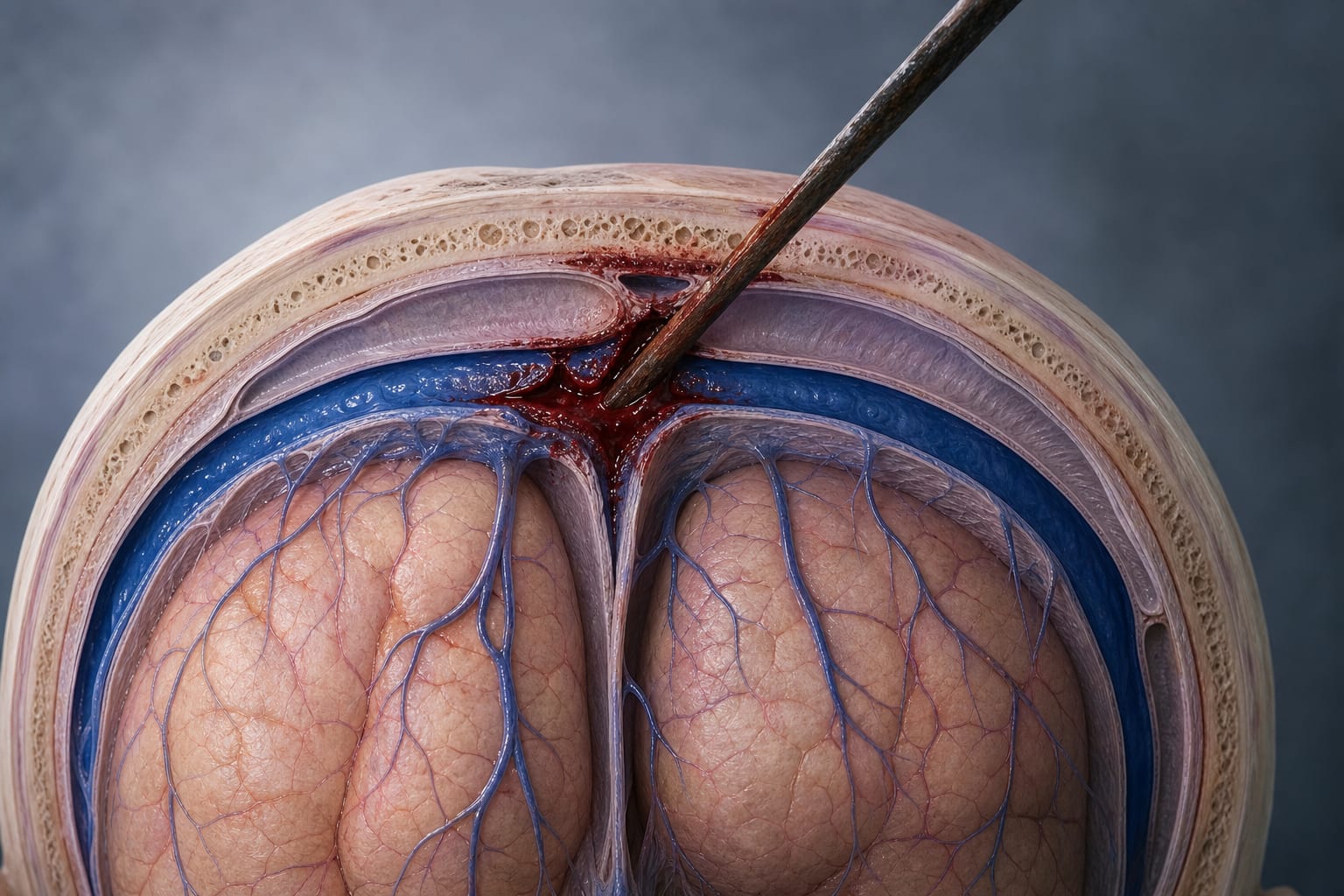
To characterize penetrating injuries of the superior sagittal sinus (pSSSIs) by mechanism, anatomical involvement, surgical management, and outcomes, and to trace the evolution of repair techniques over 2 centuries.
Approach:
Key Findings:
Patients were predominantly male (96%) with a mean age of 30.3 years.
Causes of injury included military trauma (33%), accidents (29%), suicides (18%), and assaults (8%).
The middle third of the sinus was most often affected (67%).
Common penetrating objects included nails (24%), bone fragments (16%), and bullets (16%).
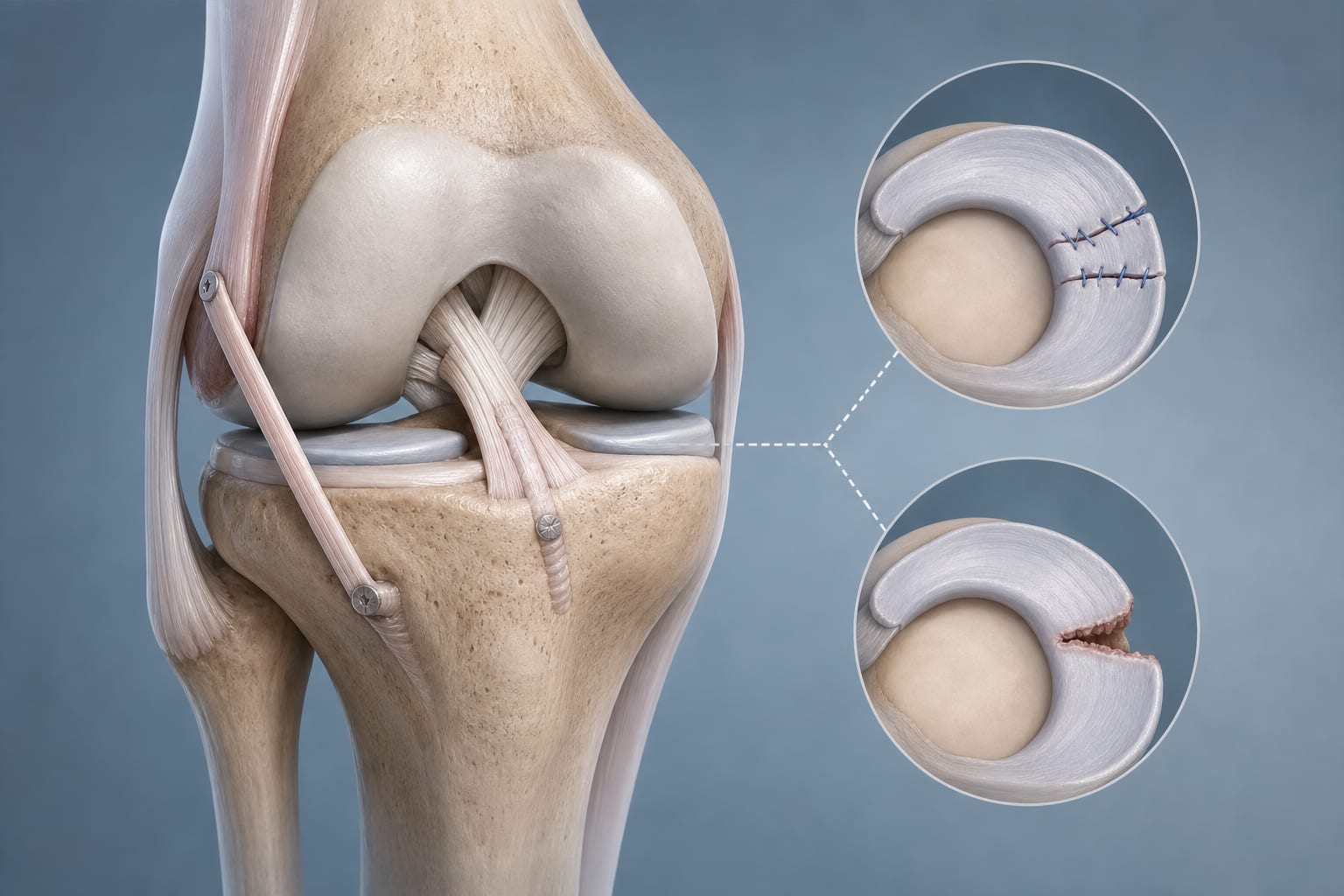
Repair methods included hemostatic agents (25%), grafts (25%), ligation (14%), and sutures (14%).
Mortality rate was 27%, highest among injuries to the anterior third of the sinus and complex trauma cases.
Interpretation:
pSSSIs are uncommon but life-threatening, with outcomes influenced by the anatomical site, mechanism, and timely intervention. Surgical management options have evolved, but no standardized approach exists.
Limitations:
The study is limited by the small number of cases and the variability in reporting across historical and modern literature, impacting the ability to draw definitive conclusions about optimal management.
Lack of standardized treatment protocols makes it difficult to draw definitive conclusions about optimal management.
Conclusion:
Further work is needed to establish consensus guidelines and optimize outcomes in managing pSSSIs.