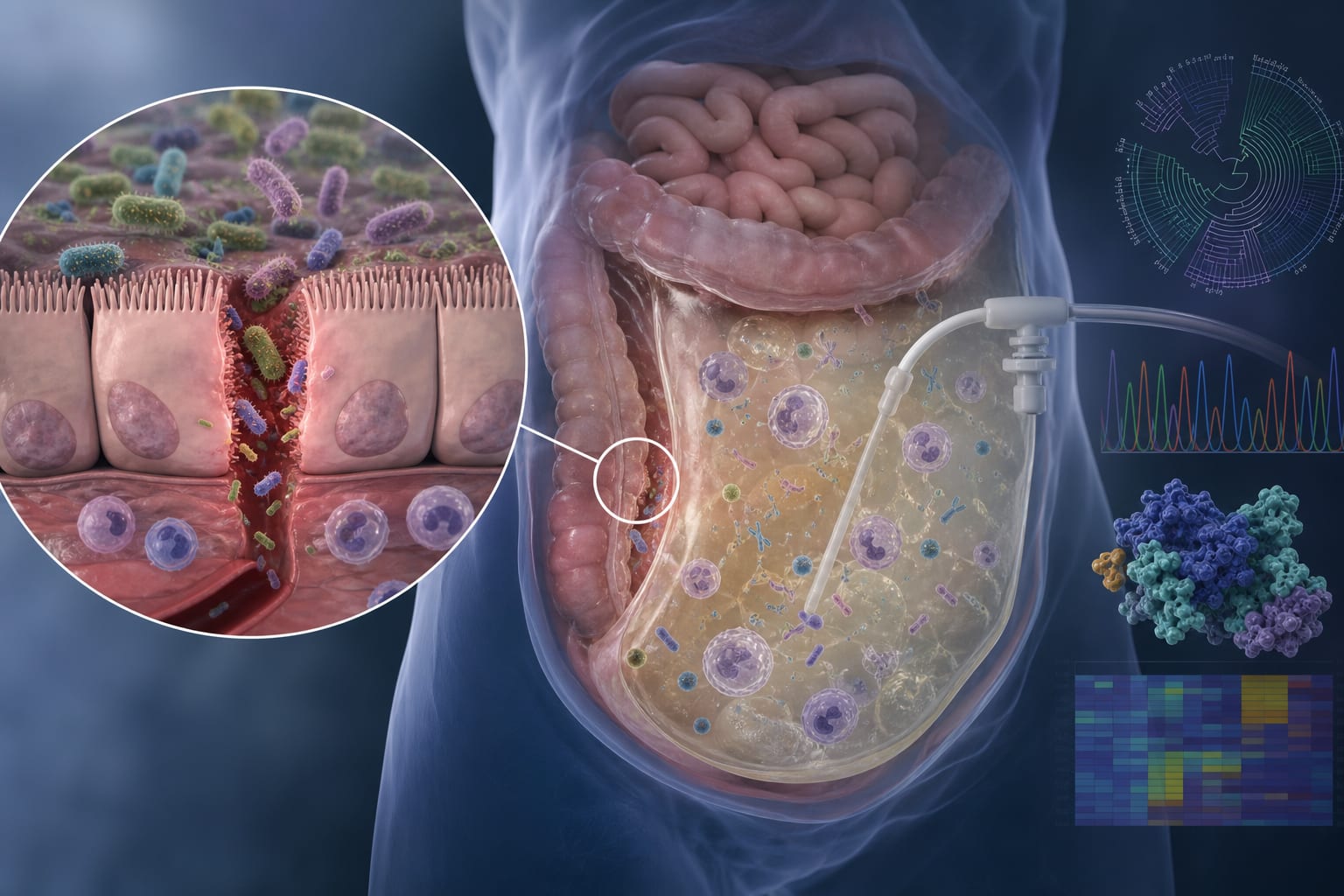
To evaluate the impact of fecal microbiota administration (REBYOTA) on the richness of antimicrobial resistance genes (ARGs) in participants at risk for recurrent Clostridioides difficile infection (CDI), highlighting the significance of addressing this public health concern.
Key Findings:
Participants had higher ARG richness at baseline compared to a healthy cohort, indicating a significant risk factor for CDI.
RBL responders showed significantly lower ARG richness compared to placebo responders as early as 1 week post-administration, suggesting rapid effects of treatment.
Decreased richness of high-risk ARGs was observed in RBL responders, sustained for at least 6 months, which may correlate with reduced infection risk.
Interpretation:
The findings suggest that microbiota-based treatments like REBYOTA may reduce ARG richness, potentially lowering the risk of infections caused by antimicrobial-resistant organisms, which is crucial for improving patient outcomes.
Limitations:
The analysis is post hoc and may be influenced by confounding factors, such as variations in antibiotic use among participants.
The presence of ARGs does not confirm phenotypic resistance, highlighting the need for further studies to establish clinical relevance.
Conclusion:
REBYOTA administration appears to effectively reduce the diversity of antimicrobial resistance genes, supporting its role in mitigating risks associated with antimicrobial-resistant infections, which is vital for public health.