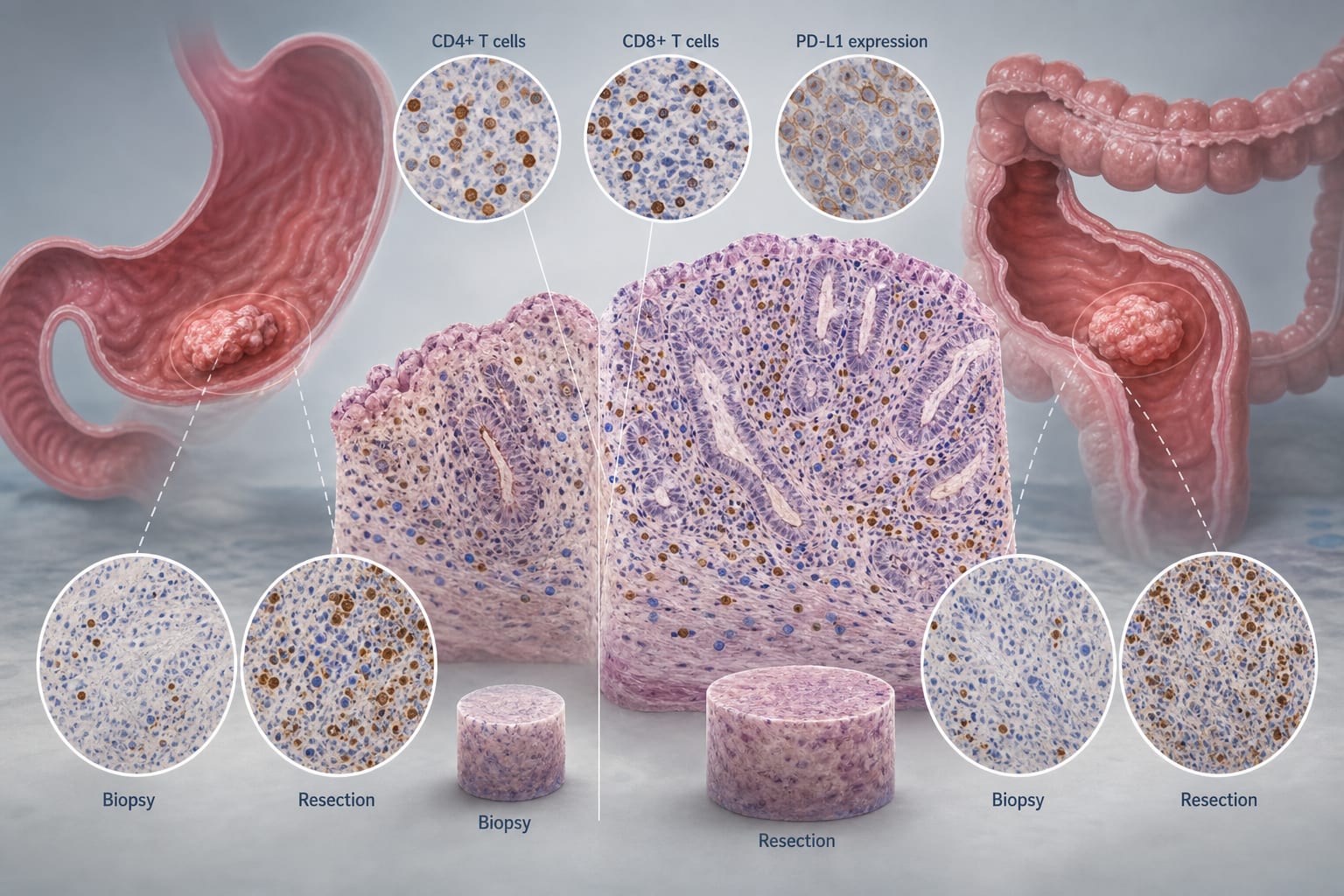
To explore the role of preclinical models in understanding the mechanisms of gastrointestinal cancer metastasis and their significance in improving patient outcomes.
Key Findings:
CircRERE(4–5) identified as a driver of gastric cancer progression, correlating with tumor burden and metastasis, suggesting a novel therapeutic target.
miR-19b-3p mediates communication between colorectal cancer cells and endothelial cells, enhancing metastatic potential, with implications for biomarker development.
Non-coding RNAs play a central role in integrating metastatic signaling across cellular compartments, indicating their importance in therapeutic strategies.
Interpretation:
The findings underscore the importance of innovative preclinical models in revealing clinically relevant mechanisms of metastasis and potential therapeutic targets, which could lead to improved patient outcomes.
Limitations:
Concerns about the relevance of murine models to human physiology, particularly in the context of metastatic spread.
High failure rate of promising therapies from mouse studies in human clinical trials, highlighting the need for more predictive models.
Conclusion:
Innovative preclinical models are essential for linking mechanistic insights to therapeutic strategies in gastrointestinal cancer metastasis, while addressing the limitations of current models.
A targeted radiopharmaceutical improves CAR T activity in neuroblastoma models, engineered Tregs suppress allergic asthma, and new gene therapy platforms target MMA and the brain