Editorial: Enhancing Immune Research in Chronic Liver Disorders via Innovative Methodological Approaches
-
By
-
Sara Massironi
-
Ana C. Maretti-Mira
-
June 30, 2026
Objective:
To highlight advances in immune research methodologies for chronic liver diseases (CLDs) and their implications for understanding liver immunopathology through innovative approaches.
Approach:
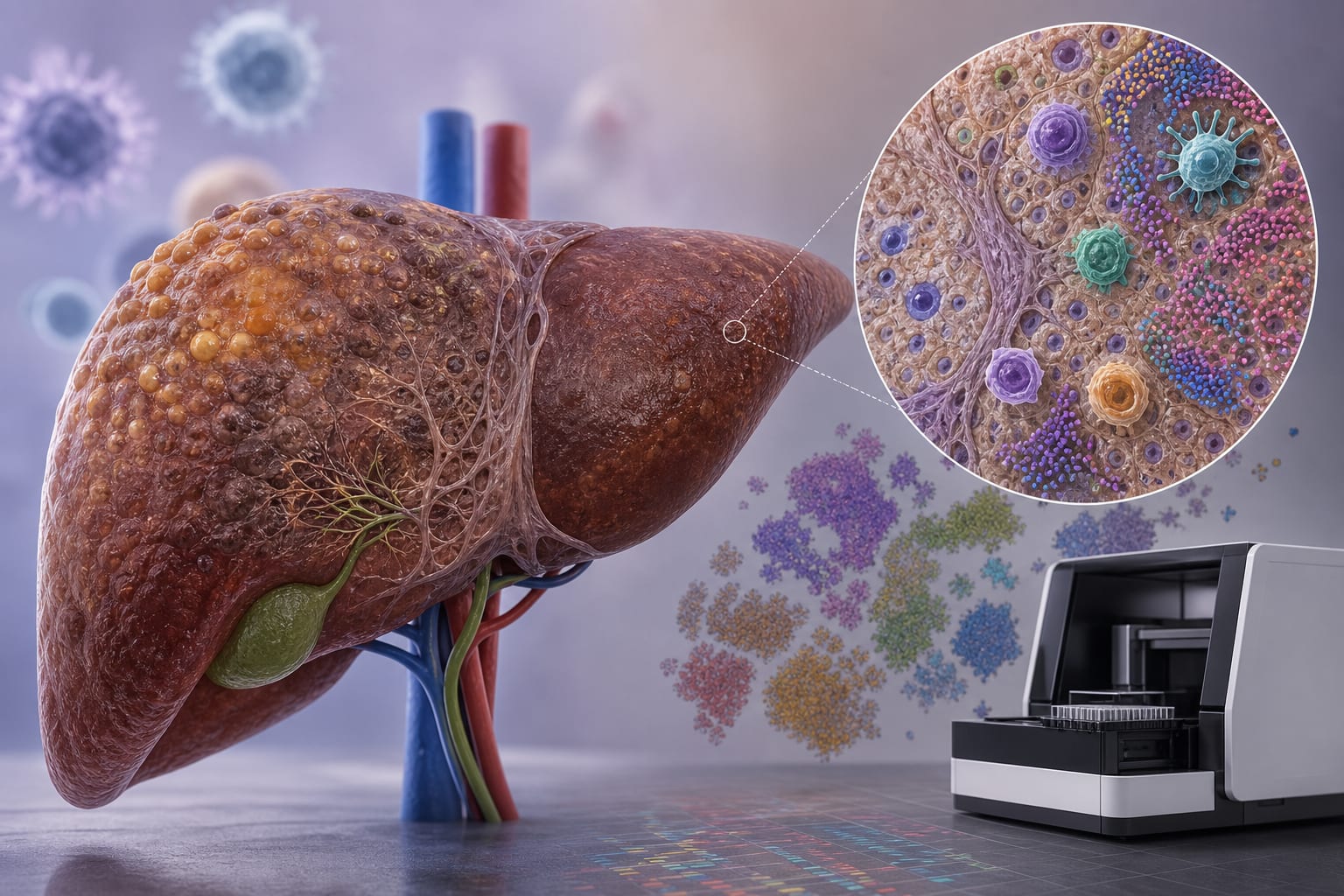
- Innovative Methodologies: The editorial discusses the use of advanced technologies such as single-cell sequencing, spatial transcriptomics, and organoid models to enhance research in CLDs, enabling high-resolution characterization of the immune microenvironment.
- Integration of Immunology and Metabolism: It emphasizes the importance of integrating immunological and metabolic information, as demonstrated by research identifying glycolysis-related molecular signatures during hepatic fibrosis progression.
- Shared Autoimmune Mechanisms: The editorial explores the overlap of autoimmune mechanisms across different organ systems, particularly between autoimmune gastritis and liver diseases, highlighting the need for broader surveillance strategies.
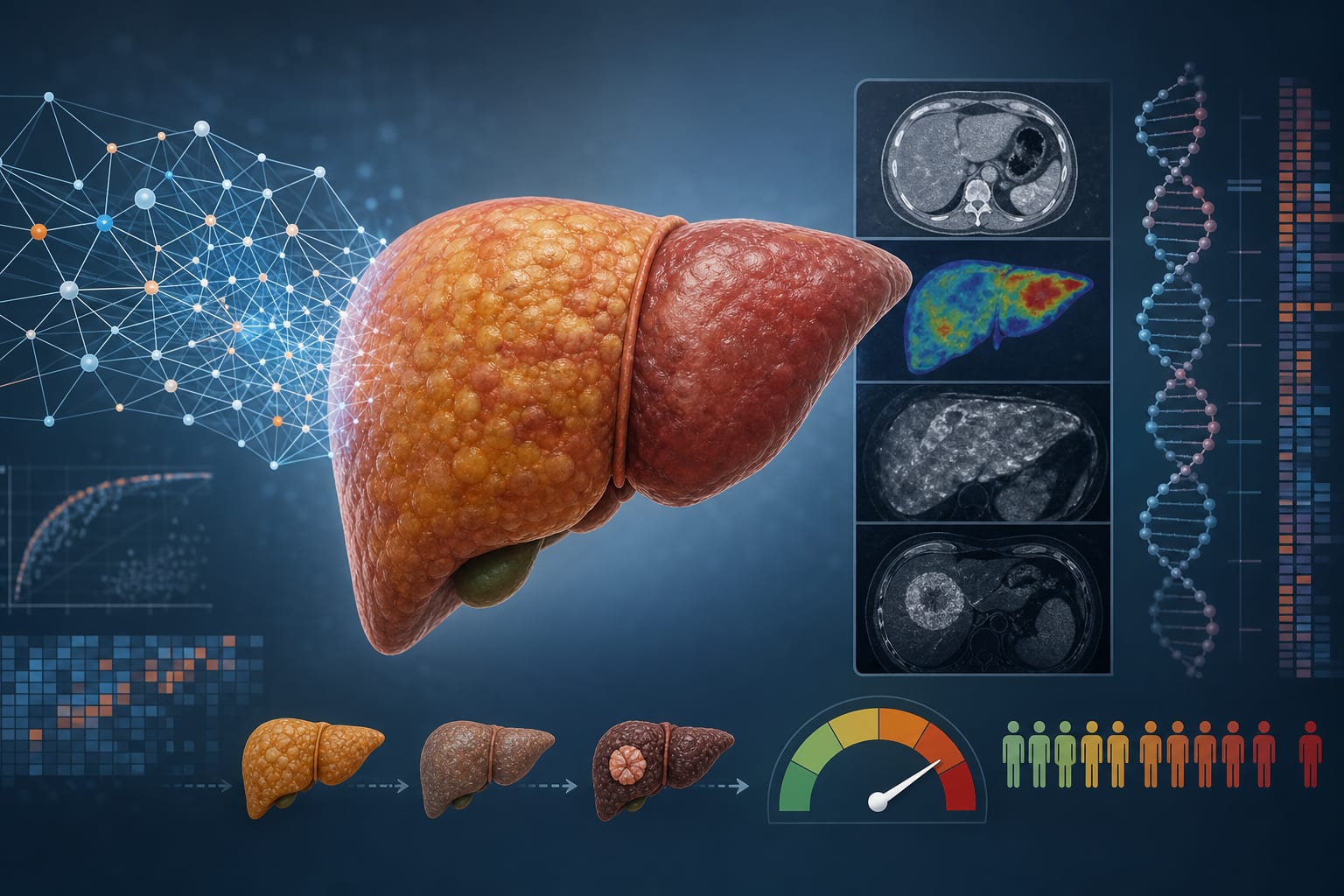
- Biomarker Development: It addresses the search for clinically useful biomarkers and the need for a deeper understanding of their biological context in relation to disease progression, as evidenced by studies linking serum immunoglobulins with MASLD.
Key Findings:
- Emerging technologies enable high-resolution characterization of the immune microenvironment in chronic liver diseases.
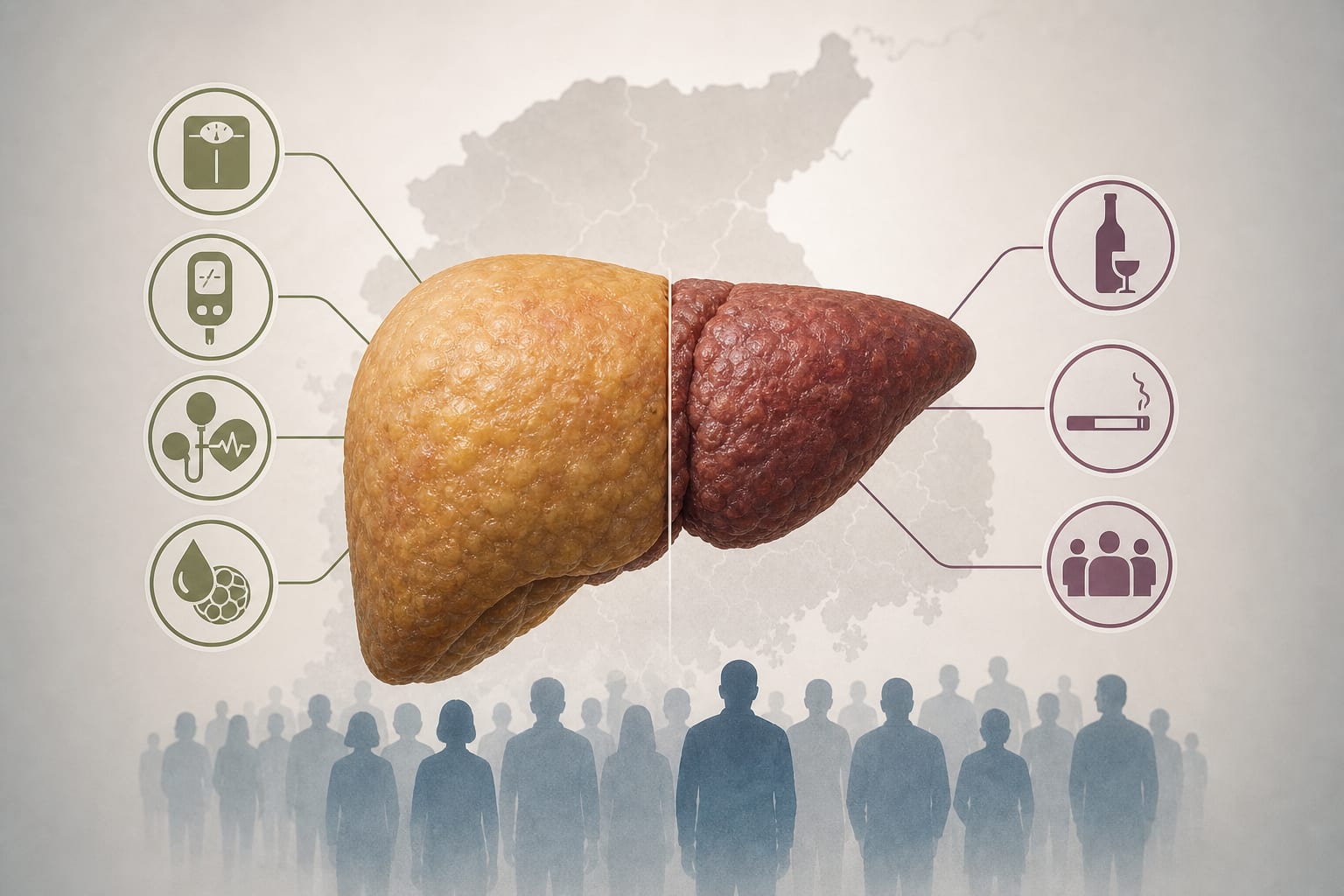
- Metabolic reprogramming actively shapes immune responses and fibrogenesis, blurring the lines between metabolism and immunity.
- Autoimmune diseases may share common immunopathogenic pathways, necessitating broader surveillance strategies.
- Biomarkers reflect integrated biological processes and require contextual interpretation for accurate disease assessment, particularly in the presence of inflammatory activity.
Interpretation:
The studies illustrate how innovative methodologies are enhancing the understanding of chronic liver diseases, facilitating mechanistic insights and improved patient stratification without editorializing.
Limitations:
- The evidence linking serum immunoglobulins with MASLD progression remains heterogeneous, as noted in the review by Chen et al.
- Non-invasive biomarkers may not directly reflect a single pathological process due to the influence of inflammatory activity, as highlighted by Huang et al.
Conclusion:
Innovative methodologies are crucial for advancing the understanding and management of chronic liver diseases, emphasizing the convergence of immunology, metabolism, and clinical assessment.
Based on findings from:
Editorial: Advancing immune research in chronic liver diseases through new approach methodologies
Sara Massironi, Ana C. Maretti-Mira. Frontiers In Immunology, 2026.
https://www.frontiersin.org/journals/immunology/articles/10.3389/fimmu.2026.1912152/full
This content is an AI-generated, fully rewritten summary based on a published scholarly article. It does not reproduce the original text and is not a substitute for the original publication. Readers are encouraged to consult the source for full context, data, and methodology.