Personal-MetaboHealth, an actionable health check in middle age, is improved by an effective lifestyle intervention in those at risk - Summary - MDSpire
To analyze the feasibility of individualizing MetaboHealth scores and their association with mortality and chronic disease onset, and to evaluate the impact of a lifestyle intervention on Personal-MetaboHealth in older adults.
Approach:
Study Populations: Data was analyzed from the Leiden Longevity Study (LLS) focusing on the second generation (F2) and the Growing Old Together (GOTO) study involving a lifestyle intervention.
MetaboHealth Development: Rescaled-MetaboHealth and Personal-MetaboHealth were developed using metabolomics measurements to provide individualized health estimates.
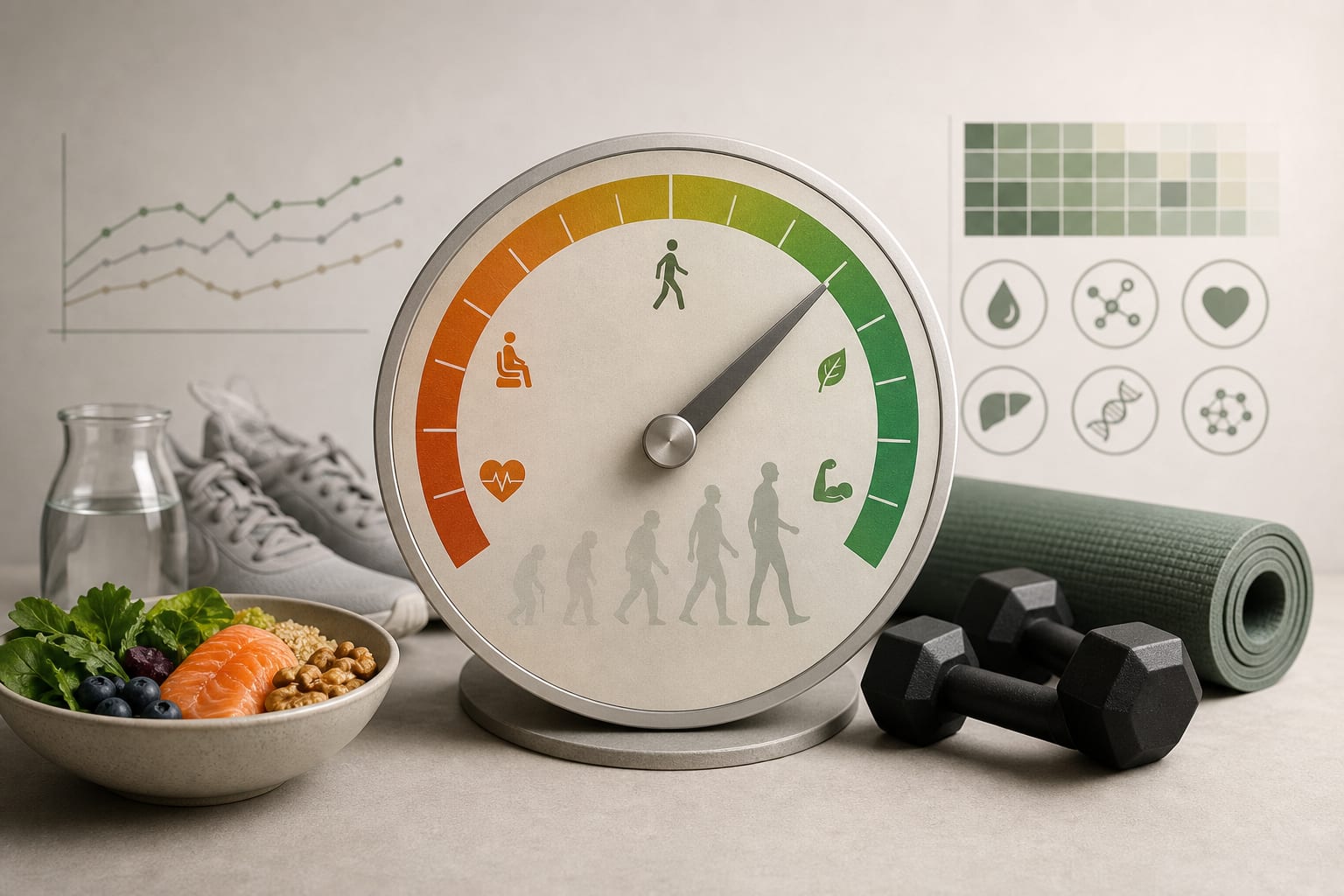
Lifestyle Intervention: A 3-month lifestyle intervention was conducted to assess changes in Personal-MetaboHealth scores among older adults at risk of health decline.
Key Findings:
MetaboHealth predicts mortality risk and is associated with various age-related health conditions.
Personal-MetaboHealth was developed from clinically validated metabolic biomarkers.
The lifestyle intervention led to significant changes in Personal-MetaboHealth scores.
Interpretation:
The study indicates that MetaboHealth scores can be individualized and may serve as actionable biomarkers for health interventions.
Limitations:
The study's cohort was limited to specific populations, which may affect generalizability.
The lifestyle intervention was non-randomized and lacked a control group.
Conclusion:
The findings support the potential of MetaboHealth as a tool for early detection and intervention in at-risk middle-aged individuals.