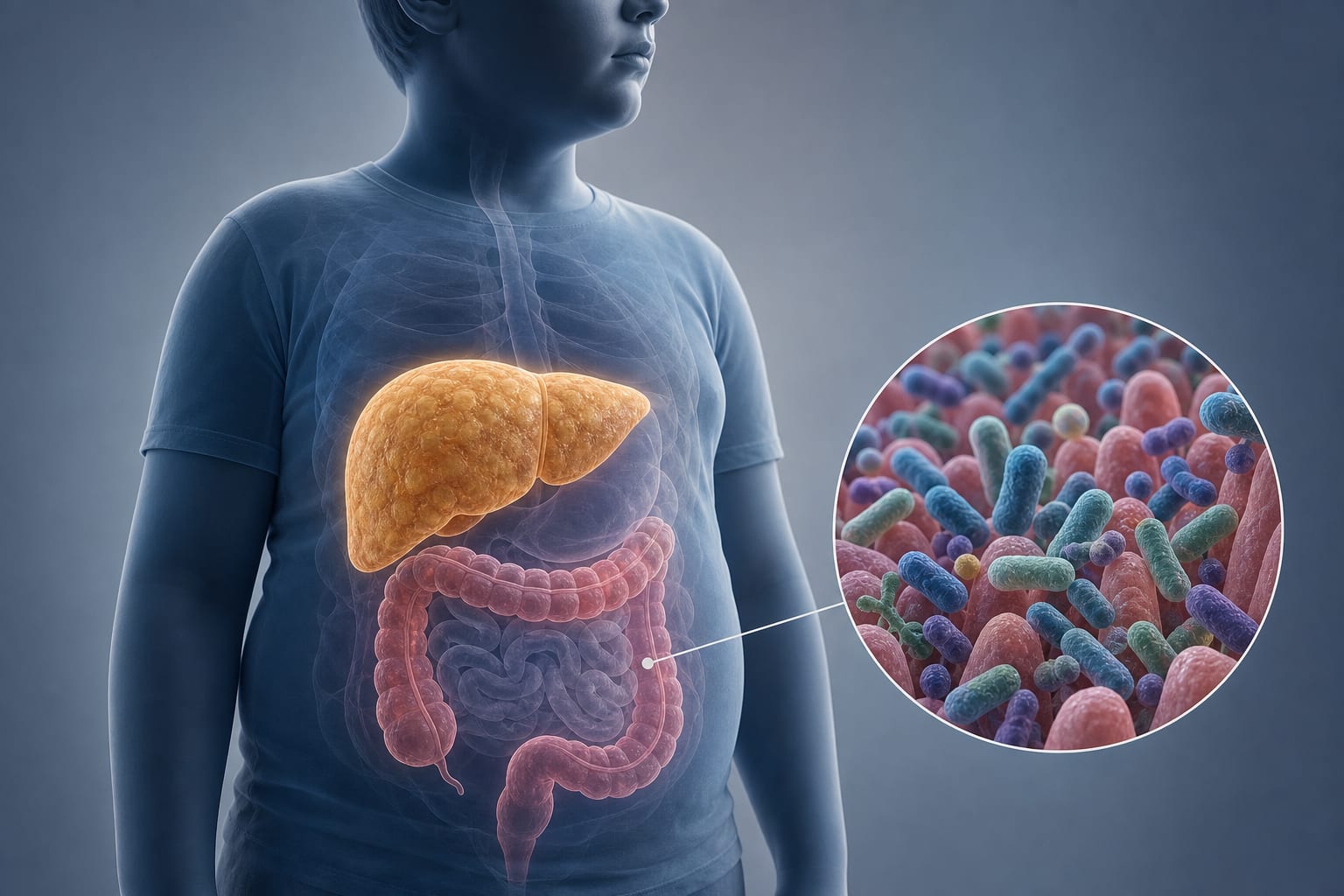
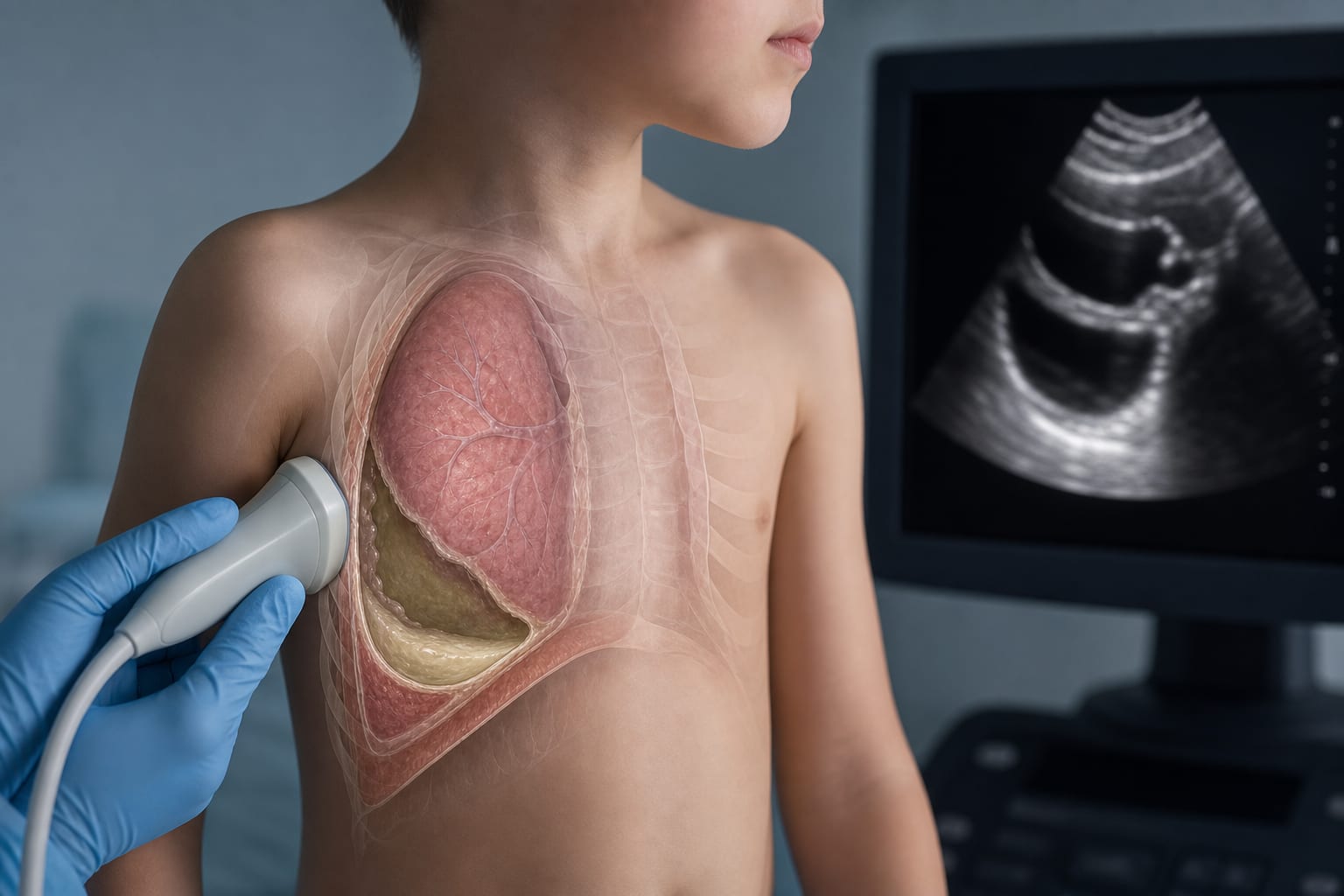
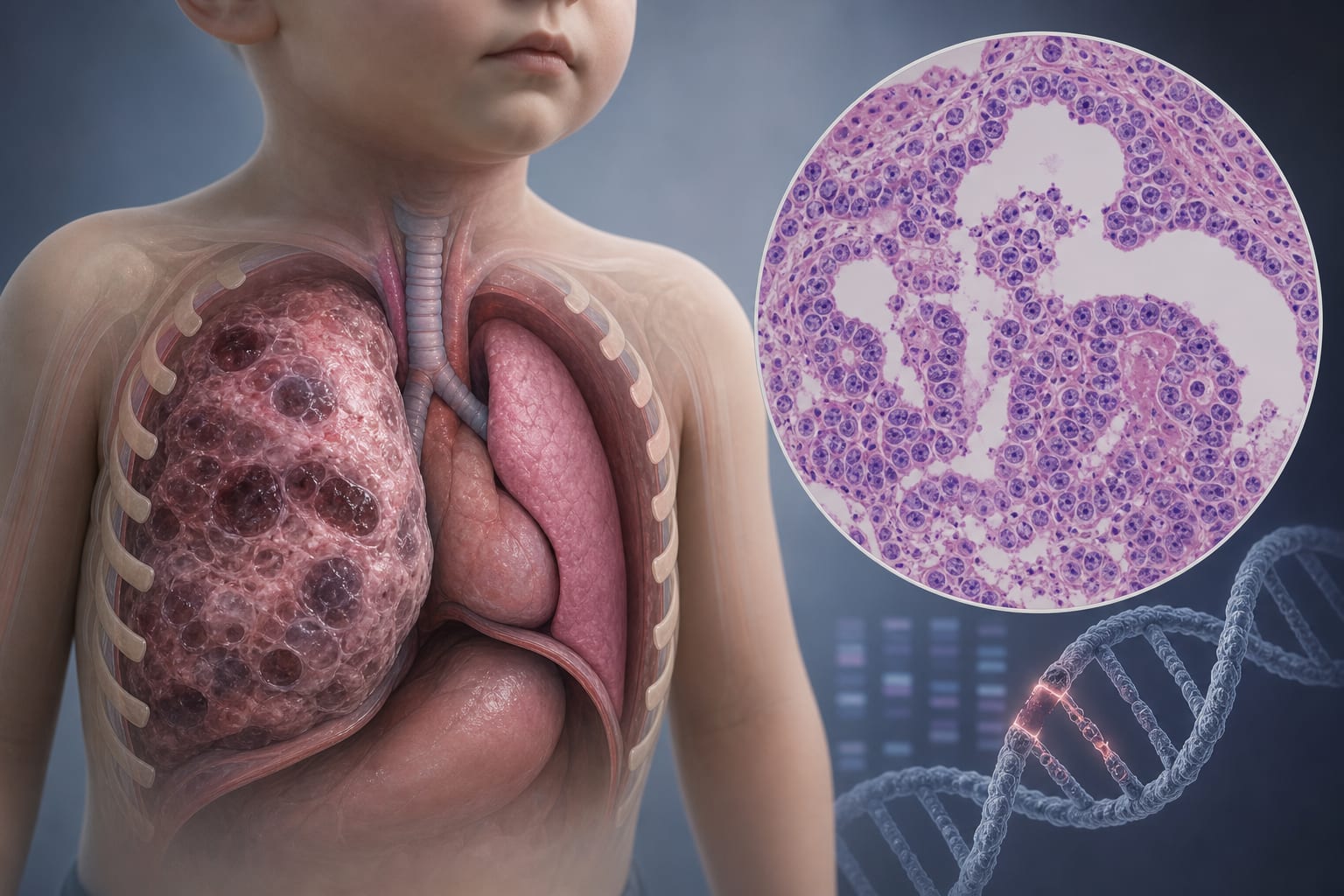
To provide a comprehensive understanding of the role of gut microbiota in the development of pediatric metabolic dysfunction-associated steatotic liver disease (MASLD), particularly in light of rising obesity rates.
Key Findings:
MASLD prevalence is approximately 14% in the general pediatric population and rises to 38% among obese children, highlighting a growing global health concern.
Obesity is a significant risk factor for MASLD, but it can also occur in non-obese individuals, indicating the need for broader awareness.
Familial clustering suggests genetic factors may play a role in MASLD, necessitating further research.
Diet influences gut microbiota composition, impacting the risk of MASLD, emphasizing the importance of dietary interventions.
Interpretation:
The findings underscore the importance of early identification and intervention for MASLD in children, particularly in the context of rising obesity rates and dietary influences on gut health, which are critical for public health strategies.
Limitations:
Limited studies specifically addressing the gut microbiome's role in MASLD in children, which may affect the robustness of conclusions.
Inconsistencies in study design and methodology across existing research, potentially leading to varied interpretations of data.
Conclusion:
Understanding the gut microbiota's role in MASLD can inform prevention and treatment strategies, highlighting the need for targeted interventions in pediatric populations, especially considering dietary influences.