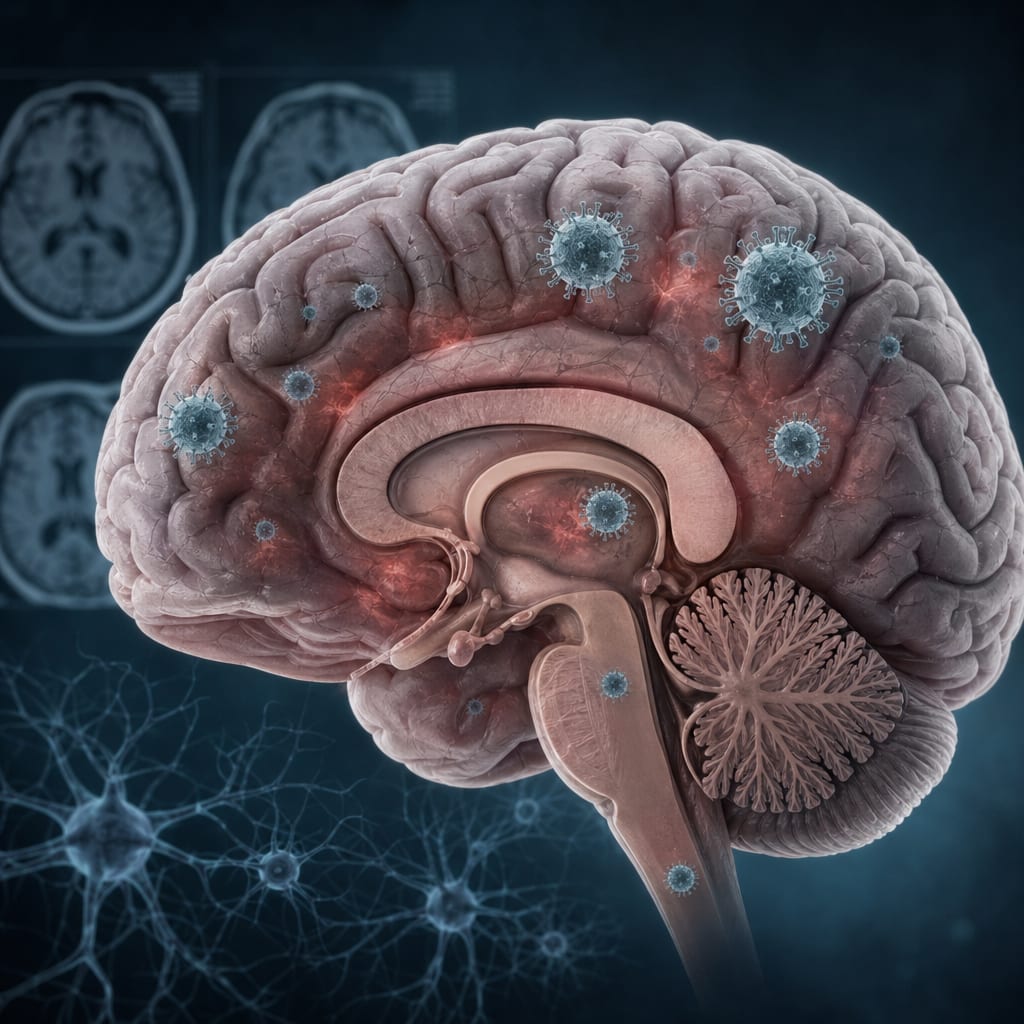
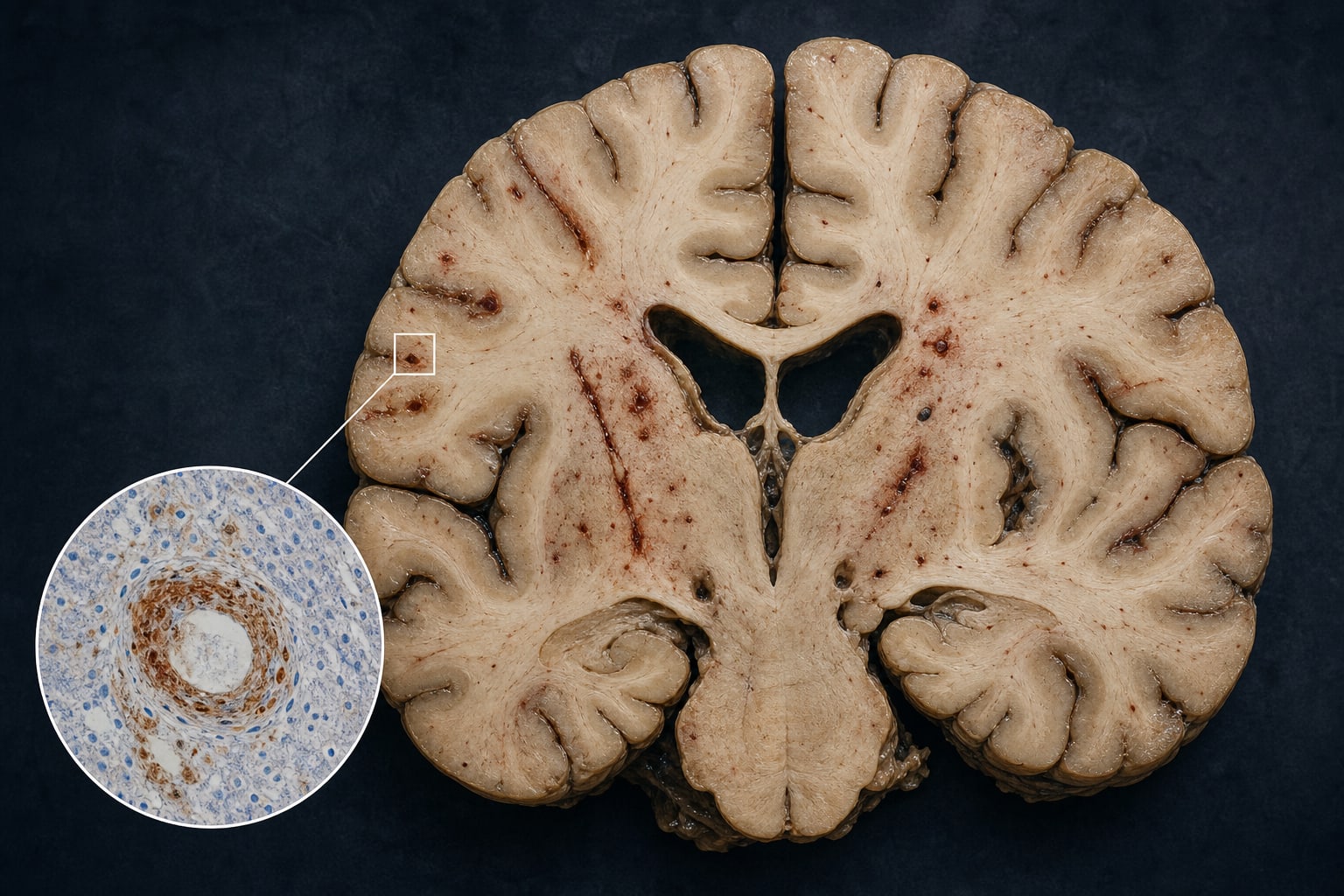
To develop a deep learning framework for the four-way classification of cognitive stages in Alzheimer's disease (Cognitively Normal, Mild Cognitive Impairment, Progressive MCI, and Alzheimer's Disease) using MRI data.
Key Findings:
Cogninet outperformed baseline models across multiple metrics, achieving an accuracy of X% in distinguishing between four cognitive stages.
The model achieved high accuracy in distinguishing between four cognitive stages, demonstrating its potential for clinical application.
Grad-CAM visualizations effectively highlighted relevant brain regions for each classification, aiding in interpretability.
Interpretation:
Cogninet provides a promising tool for early and accurate diagnosis of Alzheimer's disease, addressing the need for multi-class classification and interpretability in clinical settings, which is crucial for timely interventions.
Limitations:
The study relies on a single dataset (ADNI), which may limit generalizability; future studies should validate the model on diverse datasets.
Potential biases in MRI data acquisition and preprocessing could affect model performance; addressing these biases is essential for improving reliability.
Conclusion:
Cogninet represents a significant advancement in the use of deep learning for Alzheimer's diagnosis, combining accuracy with interpretability to support clinical decision-making.