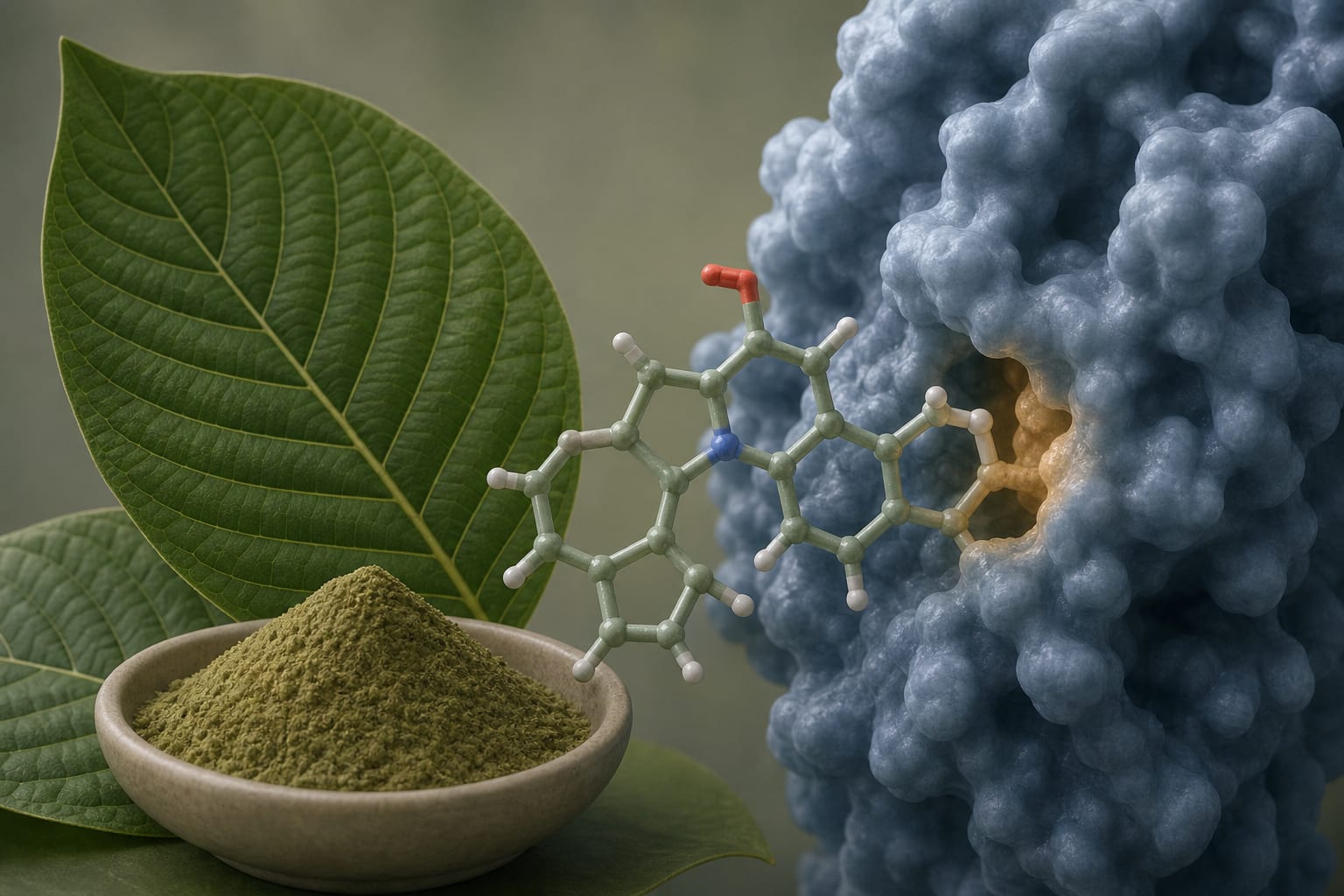
To comprehensively investigate α-PiHP and five of its analogues, namely MDPiHP, 3-Me-α-PiHP, 4-Me-α-PiHP, 3-F-α-PiHP, and 4-F-α-PiHP, to elucidate their mechanism of action and assess their in vivo psychostimulant and rewarding properties.
Approach:
Mechanism of Action: Utilized monoamine uptake inhibition, transporter binding assays, and molecular docking studies.
In Vivo Assessment: Evaluated psychostimulant and rewarding properties in male mice.
Key Findings:
α-PiHP is a potent DAT inhibitor with a high DAT/SERT ratio, indicating high abuse potential.
In vivo studies show α-PiHP produces robust psychostimulant effects similar to cocaine and methamphetamine.
Emerging analogues like MDPiHP and 3-Me-α-PiHP have been reported in forensic toxicological cases.
Interpretation:
The study aims to establish a link between molecular interactions and behavioral effects of α-PiHP and its analogues to inform risk assessment.
Limitations:
Limited knowledge on the neuropharmacology of novel synthetic cathinones.
Potential variability in human responses to these substances not fully addressed.
Conclusion:
The findings are intended to support risk assessment and preparedness for potential future emergencies involving emerging synthetic cathinones.
by Martalu D. Pazos, Guillermo García-Díez, David Pubill, Xavier Berzosa, Roger Estrada-Tejedor, Jorge Camarasa, Elena Escubedo, Raúl López-Arnau, Núria Nadal-Gratacós