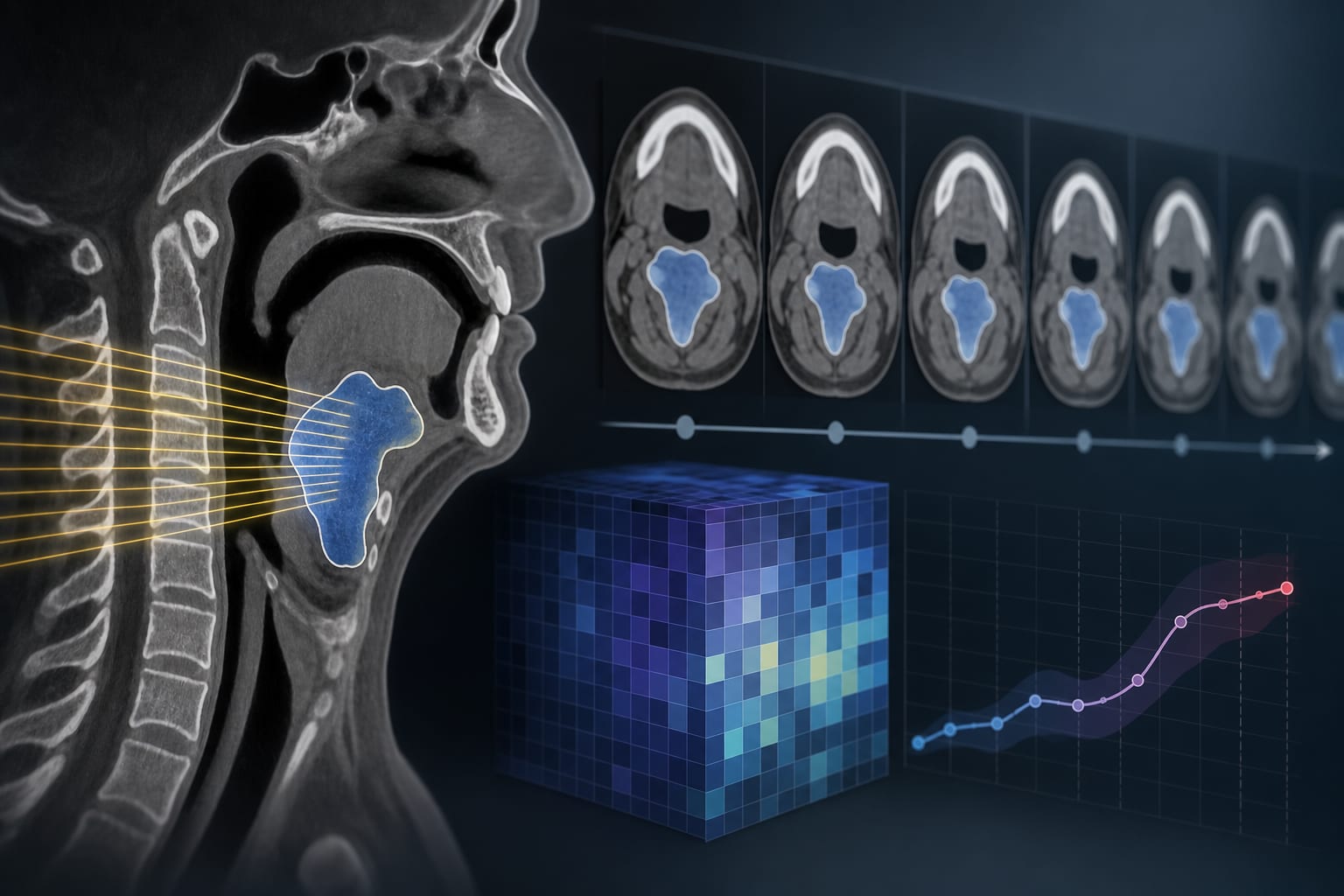
To analyze the role of amino acid metabolism-related genes (AAMRGs) in laryngeal squamous cell carcinoma (LSCC) and develop a prognostic risk model, highlighting their significance in patient outcomes.
Key Findings:
AAMRGs are significantly altered in LSCC and correlate with patient prognosis, indicating their potential as biomarkers.
The developed risk model effectively stratifies patients into high-risk and low-risk groups, which could guide treatment decisions.
The model's predictive ability was confirmed through external validation datasets, reinforcing its clinical relevance.
Interpretation:
The study highlights the potential of AAMRGs, particularly SHMT1, as prognostic indicators in LSCC, suggesting that targeting amino acid metabolism could be a novel therapeutic strategy with significant clinical implications.
Limitations:
The study relies on retrospective data, which may introduce biases, and does not account for potential confounding factors.
Further validation in larger, independent cohorts is needed to confirm findings and enhance generalizability.
Conclusion:
The findings support the role of amino acid metabolism in LSCC prognosis and suggest that AAMRGs could be targeted for therapeutic intervention.