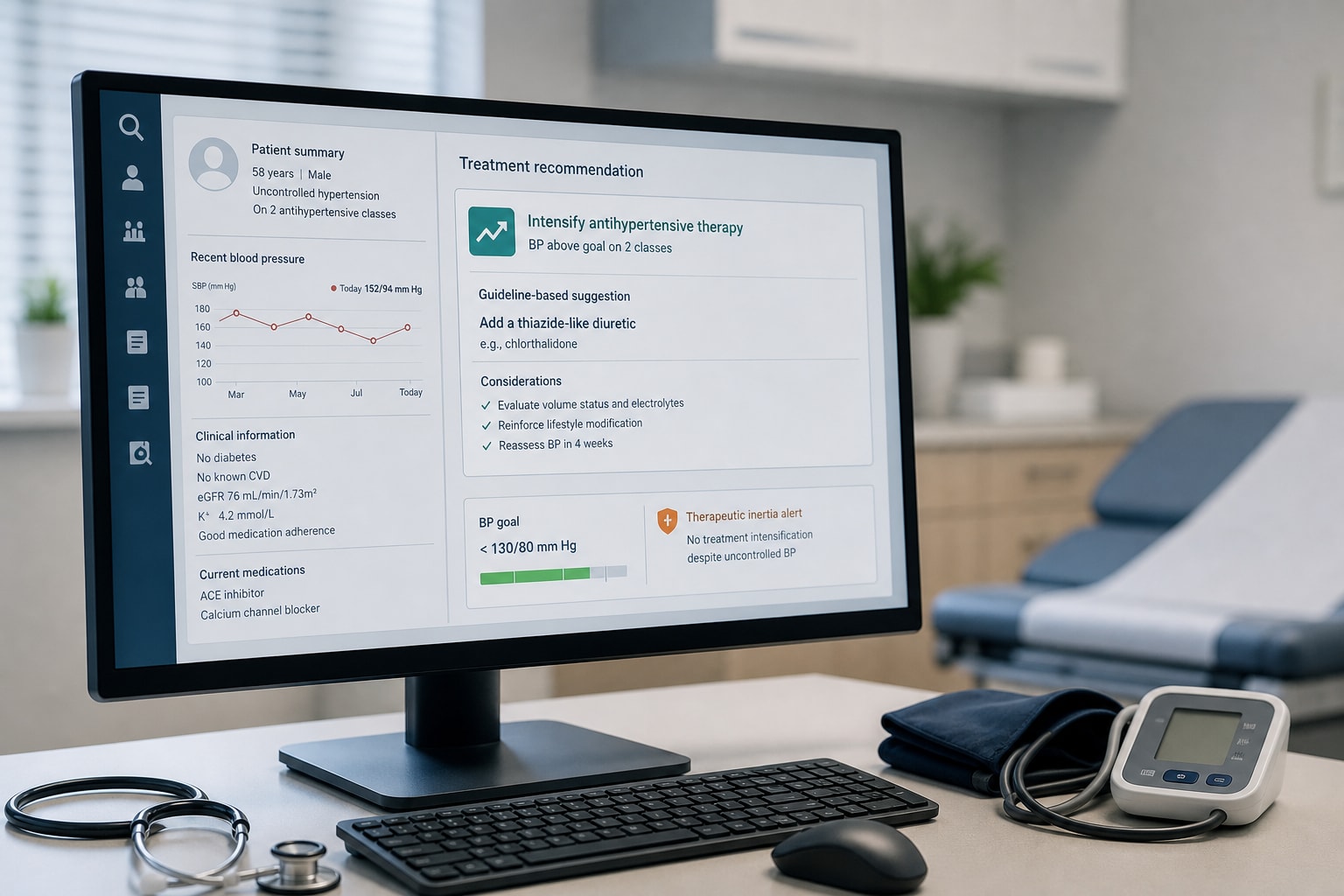
To examine the association of a clinical decision support system (CDSS) with antihypertensive treatment intensification and blood pressure (BP) control among adults with uncontrolled hypertension.
Key Findings:
Treatment intensification was significantly more likely in the CDSS group.
Overall BP control rates were similar between the CDSS and control groups.
Each incremental increase in treatment intensification was associated with a 3.8-mm Hg reduction in SBP.
Therapeutic inertia affects 30% to 87% of patients with uncontrolled hypertension.
Higher intensification rates were observed in practices with senior physicians and in northern China.
Interpretation:
Limitations:
The effectiveness of CDSS is dependent on its uptake and integration into clinical workflows.
Patient-level and system-level factors also significantly influence BP control.
Burnout is easing. Sleep science is getting weird. And dental schools have been winging cadaver training for 50 years. This week's research is full of good news that immediately complicates itself.
Agency approves multiple dapagliflozin generics to reduce heart failure hospitalization risk and improve glycemic control in adults with type 2 diabetes