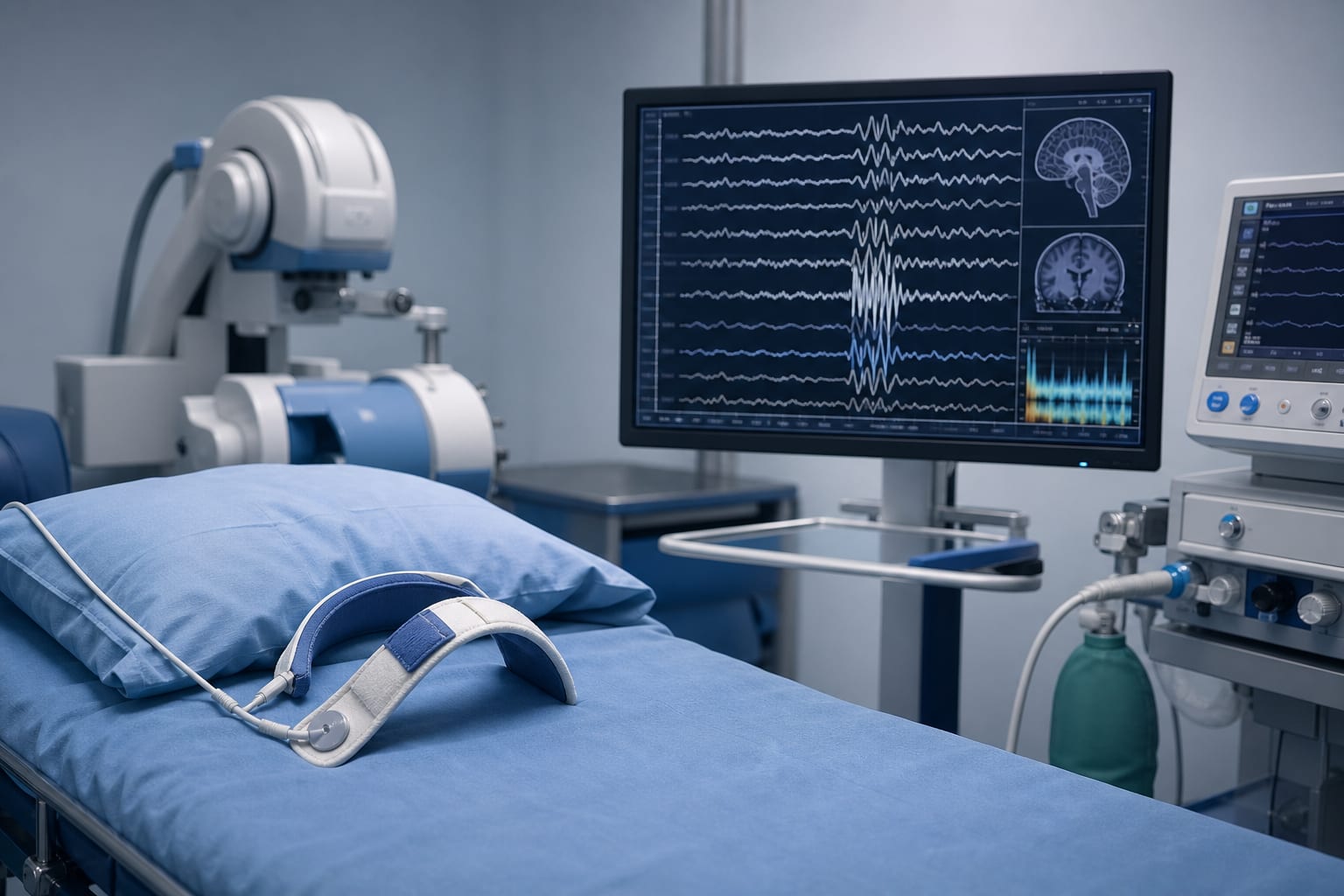
To summarize the mechanistic basis of transcranial low-intensity pulsed ultrasound (LIPUS) and discuss its therapeutic applications in various neurological disorders.
Approach:
Mechanistic Basis: LIPUS operates through mechanical bioeffects, modulating mechanosensitive ion channels, intracellular calcium signaling, and synaptic transmission.
Therapeutic Applications: LIPUS has been explored for conditions such as Alzheimer's disease, Parkinson's disease, epilepsy, ischemic stroke, and major depressive disorder.
Key Findings:
LIPUS is associated with neuroprotection, enhanced synaptic plasticity, and suppression of pathological neural activity.
It promotes vascular remodeling and facilitates targeted delivery through reversible blood–brain barrier opening.
Current evidence supports transcranial LIPUS as a promising platform for neuromodulation and brain repair.
Interpretation:
The review highlights the potential of LIPUS in treating neurological disorders while emphasizing the need for standardized protocols and rigorous translational studies.
Limitations:
Heterogeneity of stimulation parameters across studies.
Incomplete mechanistic understanding of LIPUS effects.
Limited comparability of results across different studies.
Insufficient large-scale clinical validation.
Conclusion:
Further research is needed to establish standardized protocols for LIPUS as a non-invasive treatment modality for neurological conditions.
Baptist Health will bring together leading physicians, researchers and healthcare professionals from South Florida and across the country for the 14th Annual Baptist Health Miami Neuroscience Symposium, taking place Nov. 4-6, 2026, at Hilton Miami Dadeland and virtually via Zoom.