To present a case of a young adult male with suspected ocular toxoplasmosis, which was ultimately ruled out, leading to a diagnosis of ABCA4-associated macular dystrophy.
Approach:
Key Findings:
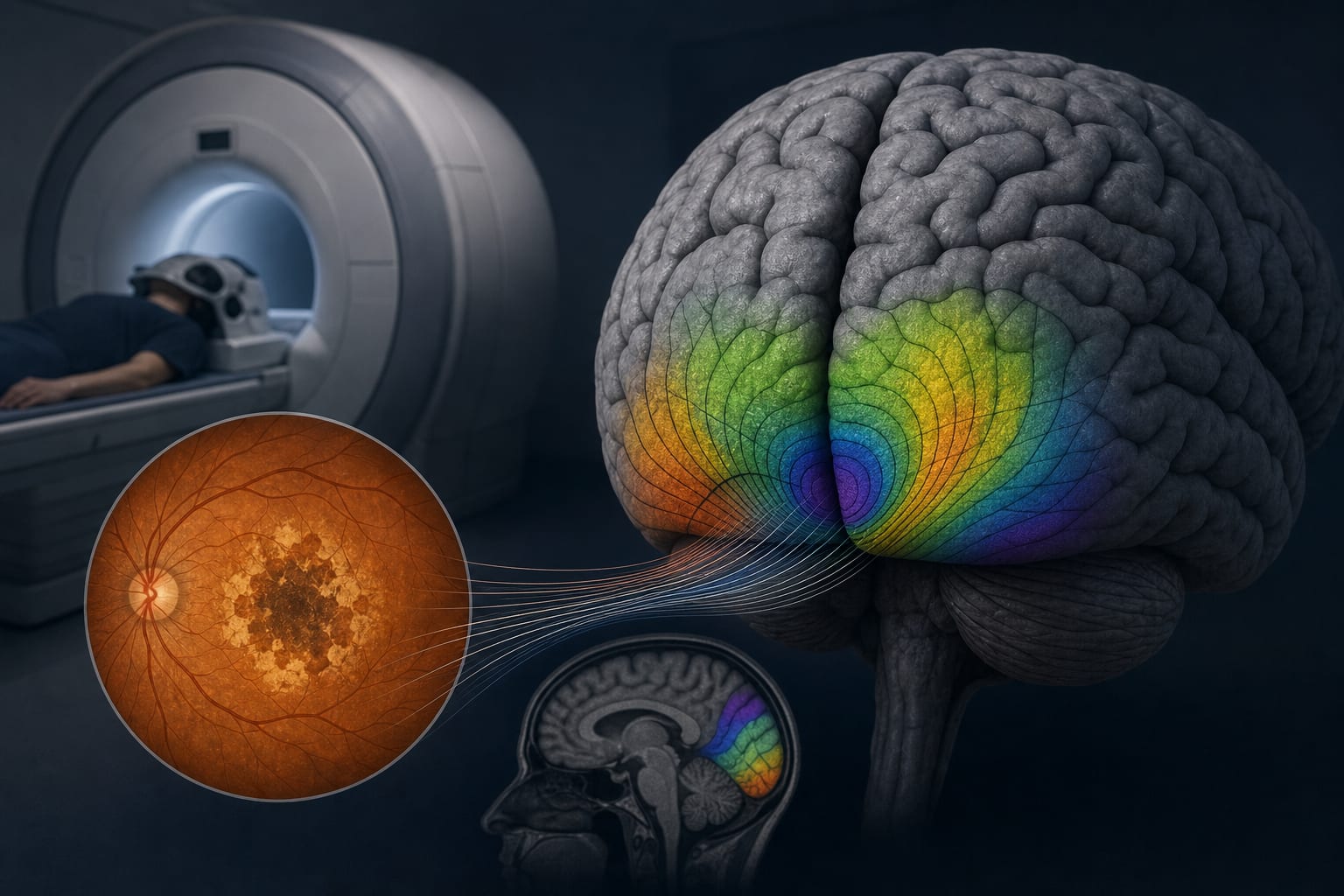
The patient exhibited bilateral macular excavation resembling colobomas, which is significant for differential diagnosis.
Serological tests were negative for Toxoplasma gondii and other infections, supporting the diagnosis of ABCA4-associated macular dystrophy.
Electrophysiological tests indicated retinal dysfunction consistent with ABCA4-associated macular dystrophy, confirming the diagnosis.
Interpretation:
The initial suspicion of ocular toxoplasmosis was ruled out through comprehensive testing, highlighting the importance of accurate differential diagnosis in similar cases.
Limitations:
The study is based on a single case report, limiting generalizability to broader populations.
Retrospective data collection may introduce bias, affecting the reliability of the findings.
Conclusion:
This case highlights the importance of thorough diagnostic evaluation in distinguishing between ocular toxoplasmosis and inherited retinal diseases like ABCA4-associated maculopathy, emphasizing the need for careful clinical assessment.