Immunological landscape of nanotechnology-based depression research: a bibliometric analysis of neuroinflammation and immune modulation - Summary - MDSpire
Advertisement
Immunological landscape of nanotechnology-based depression research: a bibliometric analysis of neuroinflammation and immune modulation
To conduct a comprehensive bibliometric analysis of studies at the intersection of nanotechnology and depression, focusing on immune modulation and neuroinflammation, highlighting the novelty of this analysis.
Key Findings:
591 articles were analyzed, showing significant growth in publications post-2020, indicating a rising interest in this research area.
China and the United States were the leading contributors in publication volume and citation influence, reflecting their dominance in this field.
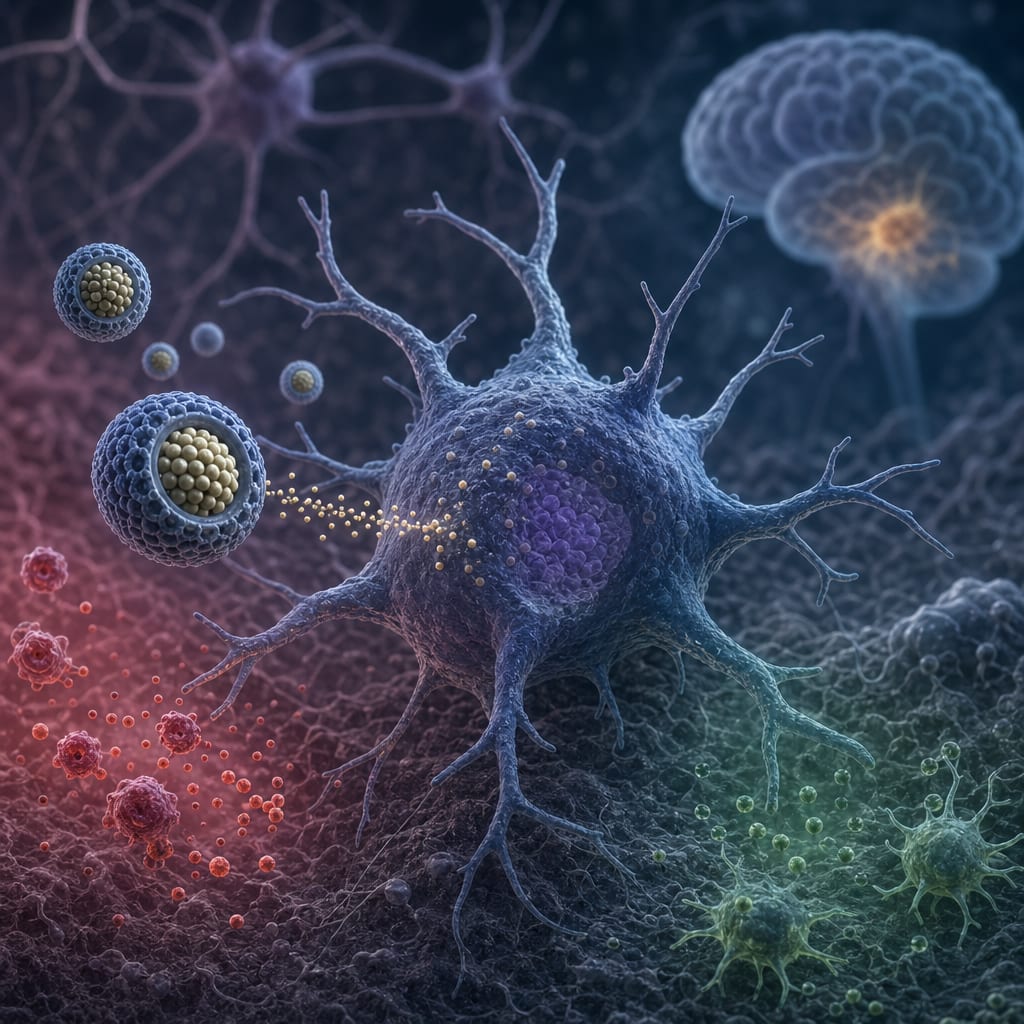
Thematic focus has shifted from neurotransmitter delivery to neuroinflammation and immune modulation, suggesting a paradigm shift in research priorities.
Recent trends highlight microglial biology, oxidative stress, and pro-inflammatory cytokines, which are critical to understanding depression's pathophysiology.
Interpretation:
The analysis reveals a growing recognition of the role of immune and neuroinflammatory factors in depression, suggesting a shift in research focus towards these areas facilitated by nanotechnology, with implications for future therapeutic strategies.
Limitations:
The study is limited to articles indexed in selected databases, potentially excluding relevant research and introducing selection bias.
The analysis is retrospective and may not capture the most current trends beyond the publication date.
Conclusion:
This bibliometric study provides insights into the evolving landscape of nanotechnology in depression research, emphasizing the importance of immune and neuroinflammatory themes for future studies, and suggesting specific avenues for further exploration.
Chemsex at the pharmacy counter. Gut bacteria tracking helmet impacts. PMD predicting psychiatric illness bidirectionally. This week's research keeps landing in the same uncomfortable place: medicine is improvising.