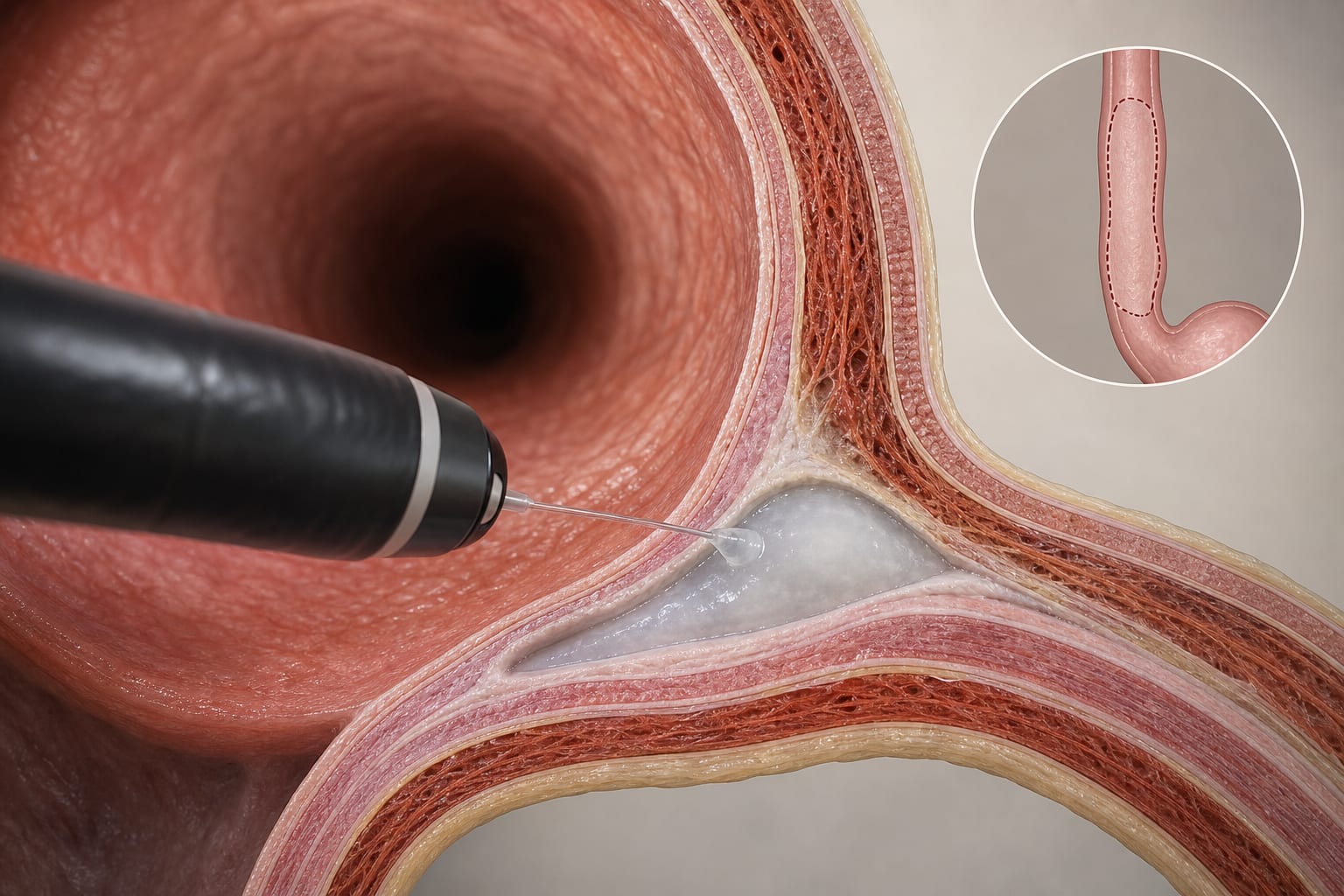
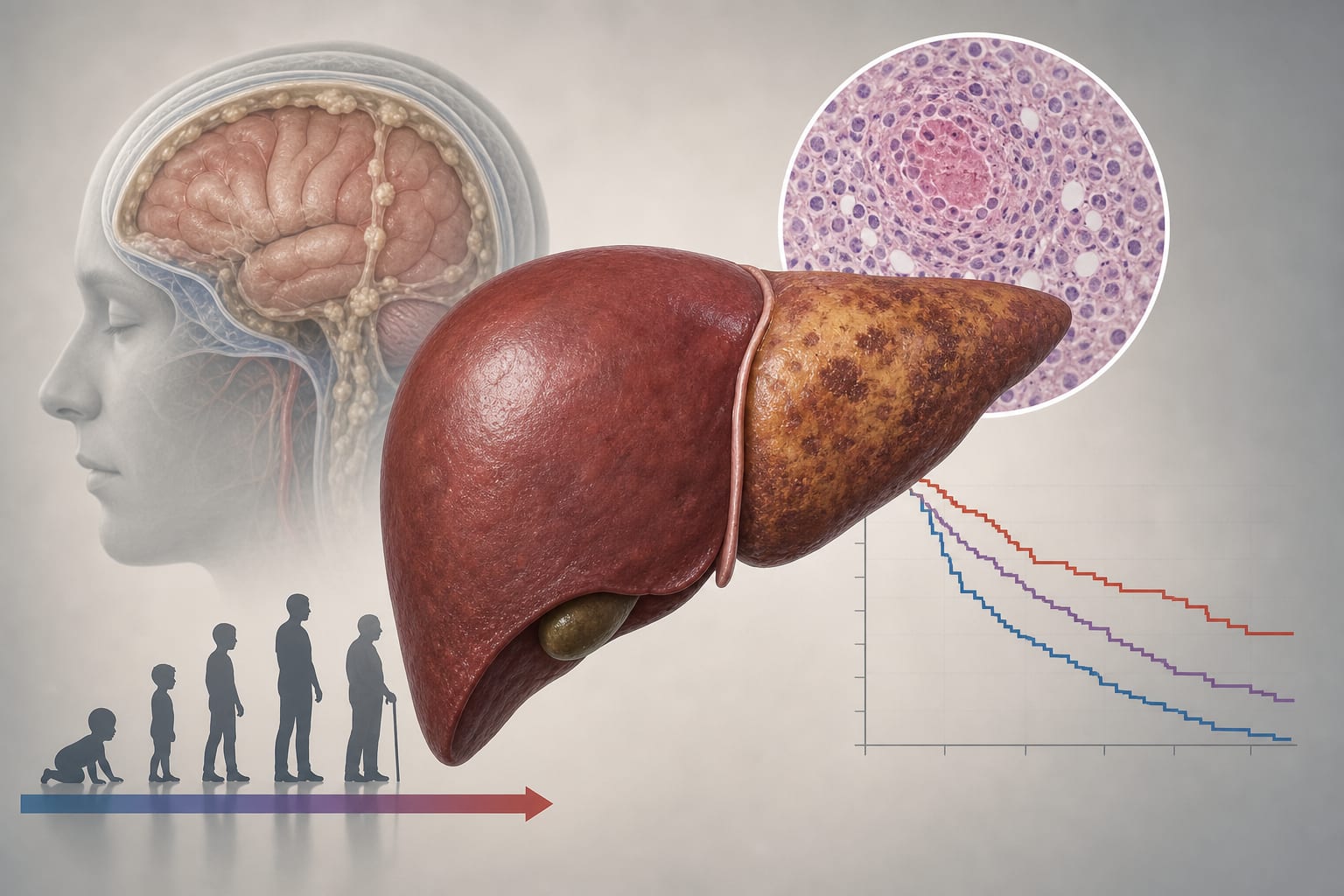
To synthesize current knowledge on the pathophysiology, diagnosis, and management of autoimmune gastritis (AIG), focusing on familial aggregation, polyglandular autoimmunity, diagnostic challenges, and emerging therapeutic strategies.
Approach:
Key Findings:
AIG is characterized by the immune-mediated destruction of gastric parietal cells, leading to vitamin B12 deficiency and increased gastric malignancy risk, with systemic manifestations.
The global prevalence of AIG is approximately 3.85%, with higher incidence in women and associations with other autoimmune conditions.
Endoscopic surveillance and individualized risk stratification are essential due to the increased risk of gastric neuroendocrine tumors and gastric adenocarcinoma, highlighting the need for proactive screening.
Interpretation:
The review emphasizes the need for improved awareness and diagnostic strategies for AIG, particularly in asymptomatic early stages, and the importance of proactive screening in high-risk populations.
Limitations:
The article does not provide specific data on the effectiveness of emerging therapeutic options.
The clinical examples presented are original and unpublished, limiting generalizability, and the underdiagnosis due to asymptomatic early stages is a significant concern.
Conclusion:
The review provides a comprehensive framework for clinicians to navigate the complexities of AIG, aiming to improve patient outcomes and mitigate malignancy risks.