To provide updated information on the pathophysiology, clinical classification, and treatment approaches for primary membranous nephropathy (PMN).
Approach:
Key Findings:
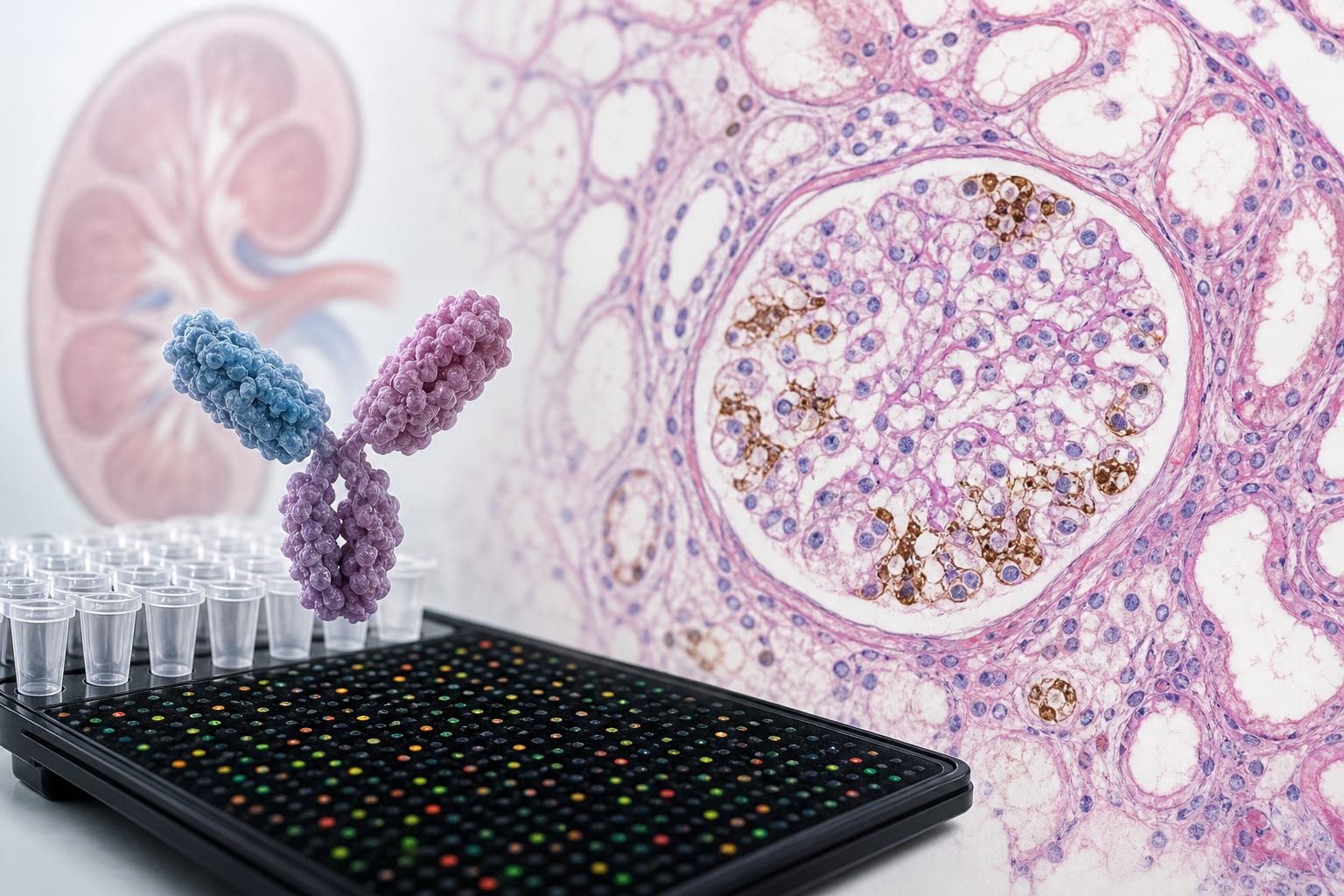
PMN is an autoimmune disease characterized by autoantibodies targeting podocyte-associated antigens, primarily PLA2R.
About one-third of patients with PMN spontaneously remit, one-third progress to end-stage kidney disease (ESKD), and the remainder maintain non-remitting proteinuria.
Treatment includes supportive anti-proteinuric therapy and immunosuppression guided by KDIGO-based risk stratification, with low-risk cases monitored expectantly and moderate to high-risk cases treated with rituximab, expecting a response rate of 60-80%.
PLA2R antibody titers can be monitored to assess treatment response.
Interpretation:
Immunologic remission typically precedes clinical remission by months, and reemergence of antibodies may indicate impending relapse.
Limitations:
The target remains unidentified in 5-10% of PMN cases.
Rituximab resistance can occur due to various factors including reduced bioavailability, anti-rituximab antibodies, and chronic scarring.
Conclusion:
Transplantation is optimal for ESKD, but recurrence is common, particularly in PLA2R-positive cases.