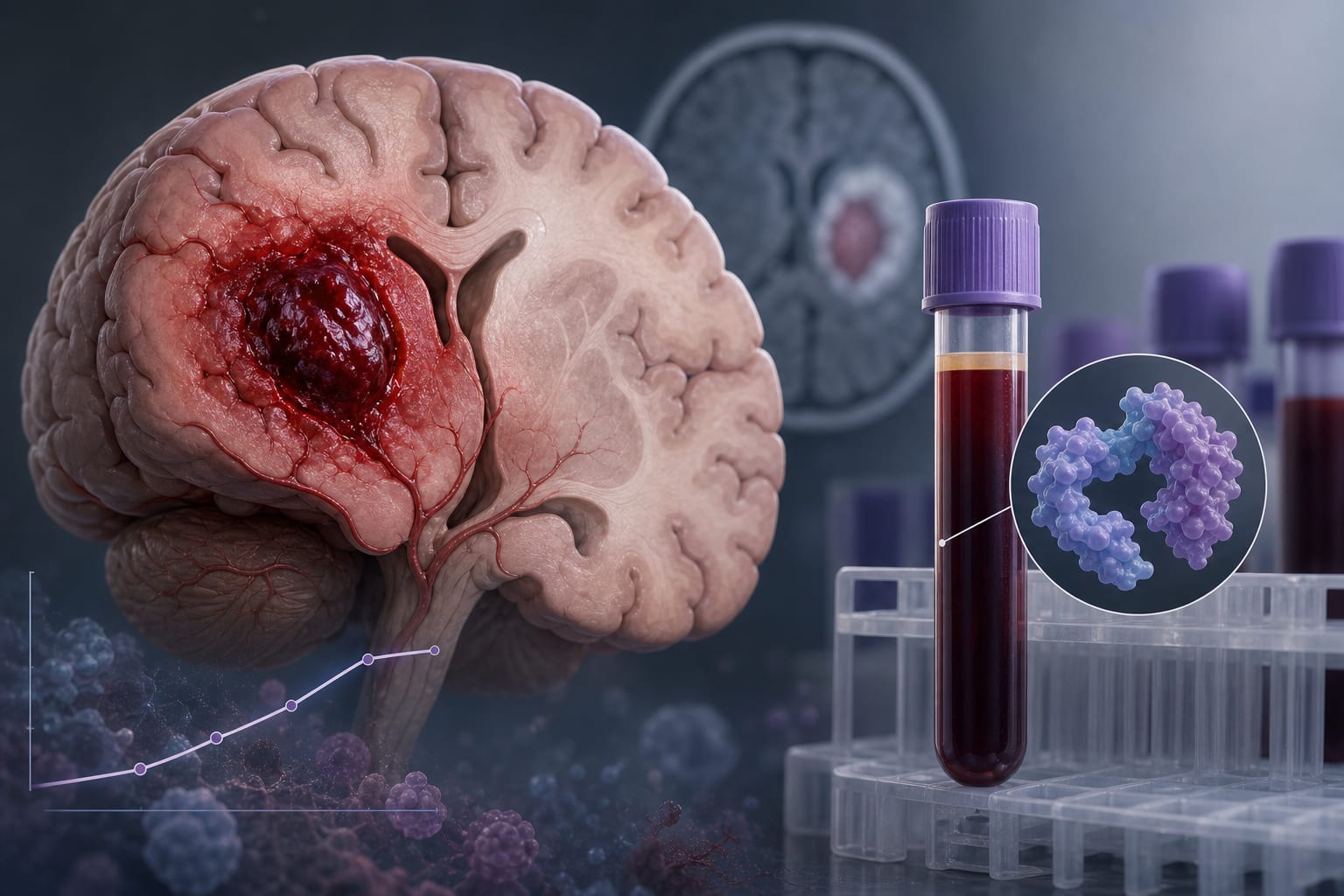
To investigate the relationship between serum amyloid A (SAA) levels and clinical outcomes in patients following intracerebral hemorrhage (ICH).
Approach:
Study Design: A single-centre, real-world cohort study measuring SAA levels in 554 ICH patients and 119 healthy controls.
Data Collection: SAA levels were measured within 24 hours of admission and on days 3 and 7 after ICH onset. Neurological deficits were quantified using NIHSS and GCS scores.
Statistical Analysis: Univariate and multivariate logistic regression analyses were performed to assess the association between SAA levels and clinical outcomes.
Key Findings:
SAA levels were significantly higher in ICH patients compared to healthy controls (3.1 vs. 2.4 mg/L, p < 0.001).
SAA levels positively correlated with disease severity (NIHSS: r = 0.106, 95% CI: 0.011–0.200, p = 0.029; GCS: r = -0.128, 95% CI: -0.213 to -0.041, p = 0.003).
SAA levels were independently associated with poor prognosis.
The AUC for SAA levels in predicting hematoma expansion was 0.694 (95% CI: 0.630–0.758).
SAA levels significantly increased on days 3 and 7 compared to admission levels (p < 0.001).
Interpretation:
Limitations:
The study is retrospective and conducted at a single center, which may limit generalizability.
Exclusion criteria may have led to selection bias.