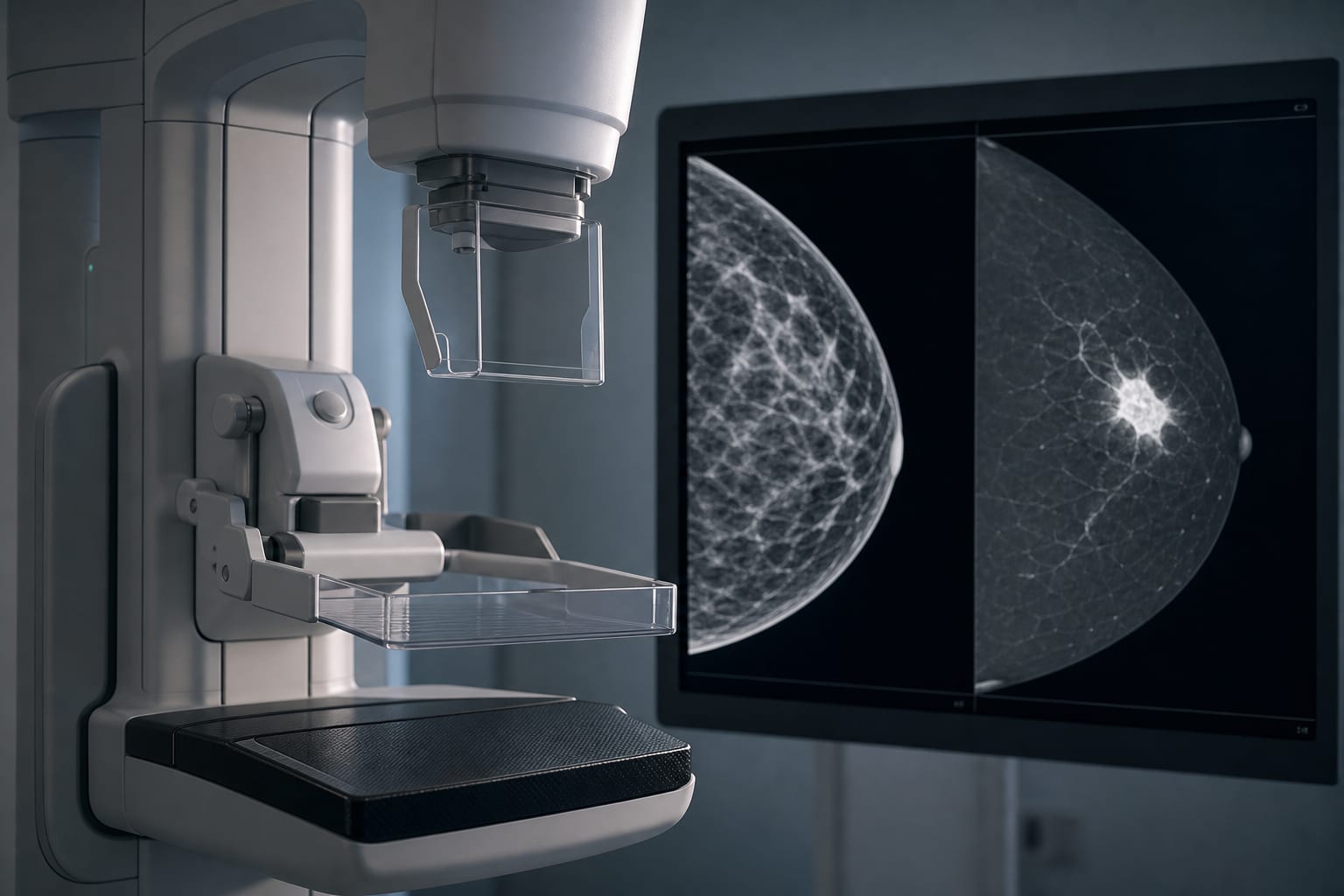
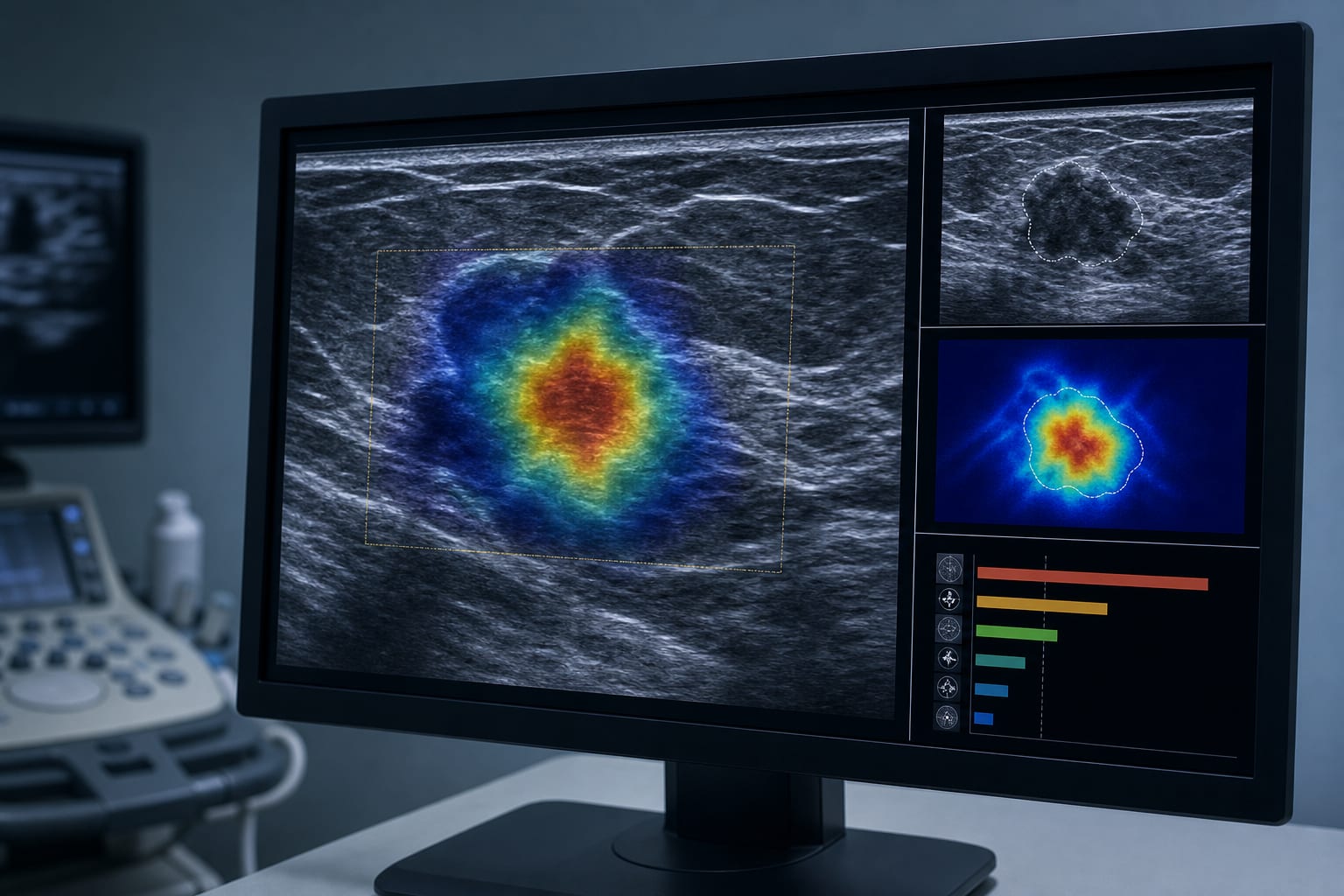
To determine if lesion conspicuity on contrast-enhanced mammography (CEM) is independently associated with the likelihood of malignancy.
Approach:
Key Findings:
The study included 476 CEM examinations with 563 enhancing lesions.
Lesion conspicuity was graded as low, moderate, or high based on enhancement relative to background parenchymal enhancement.
Positive predictive values (PPV) for malignancy were calculated for each level of conspicuity, with specific PPV percentages provided.
Interpretation:
The study aims to clarify the relationship between lesion conspicuity on CEM and the likelihood of malignancy.
Limitations:
Retrospective design may introduce bias, potentially affecting the reliability of findings.
Single-center study limits generalizability to broader populations.
Potential for discrepancies in radiologist interpretations may impact the consistency of results.
Conclusion:
The findings contribute to understanding the role of lesion visibility in assessing breast cancer risk using CEM, suggesting that higher conspicuity may correlate with increased malignancy risk.
by Tali Amir, Carol H. Lee, Molly P. Hogan, Sarah Eskreis-Winkler, Varadan Sevilimedu, Daniel J. Long, Noam Nissan, Victoria L. Mango, Kimberly N. Feigin, Maxine S. Jochelson, Christopher E. Comstock, Janice S. Sung