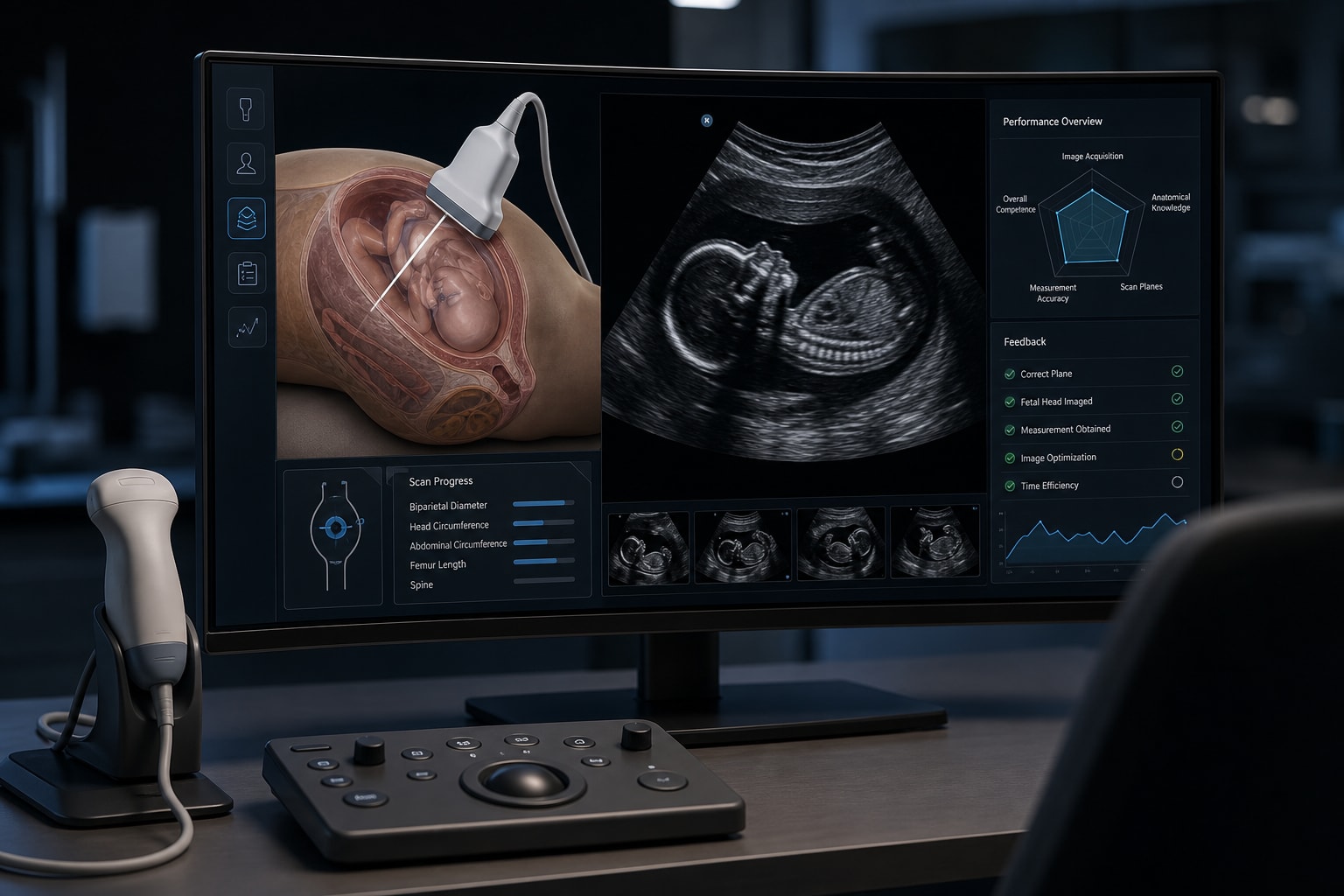
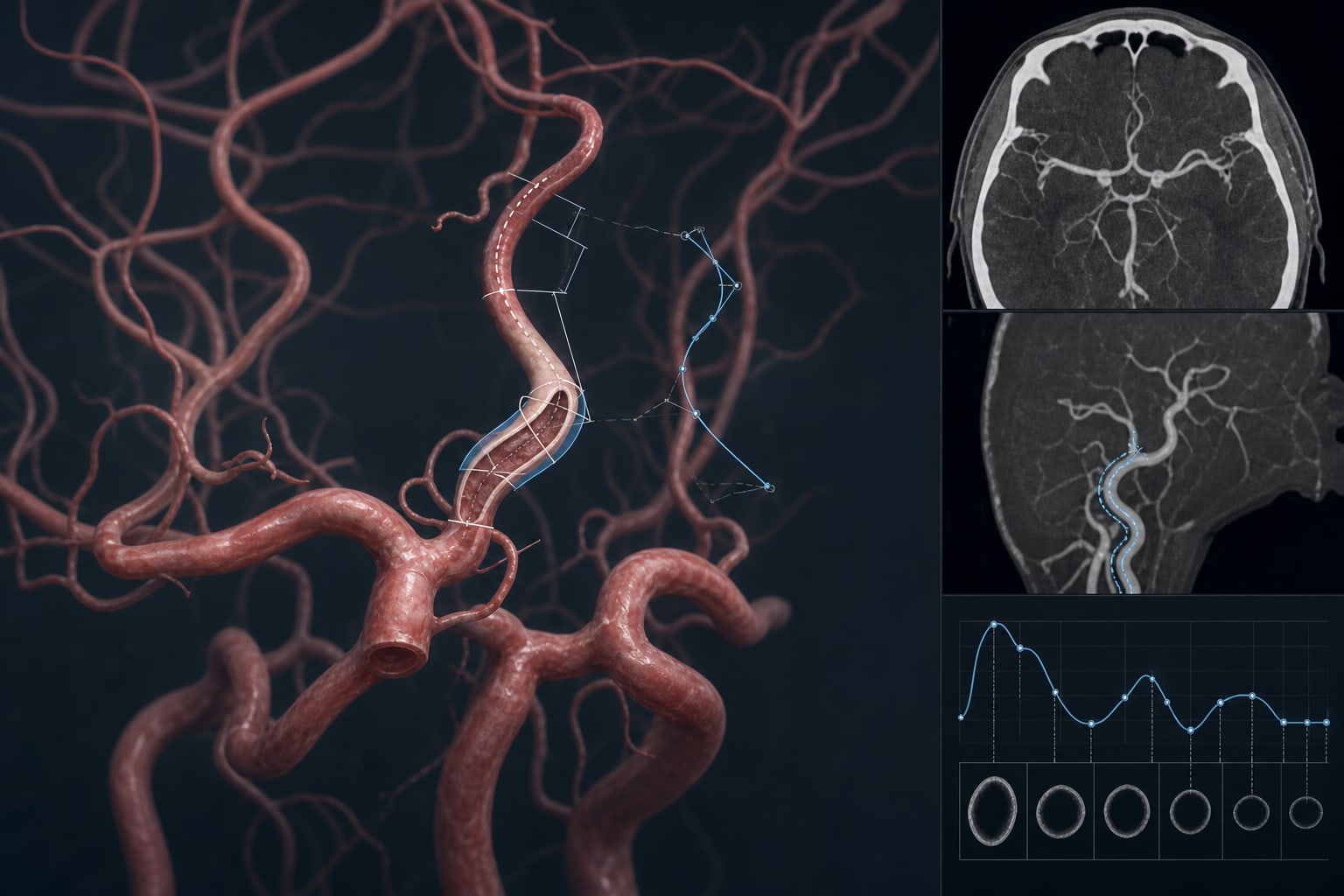
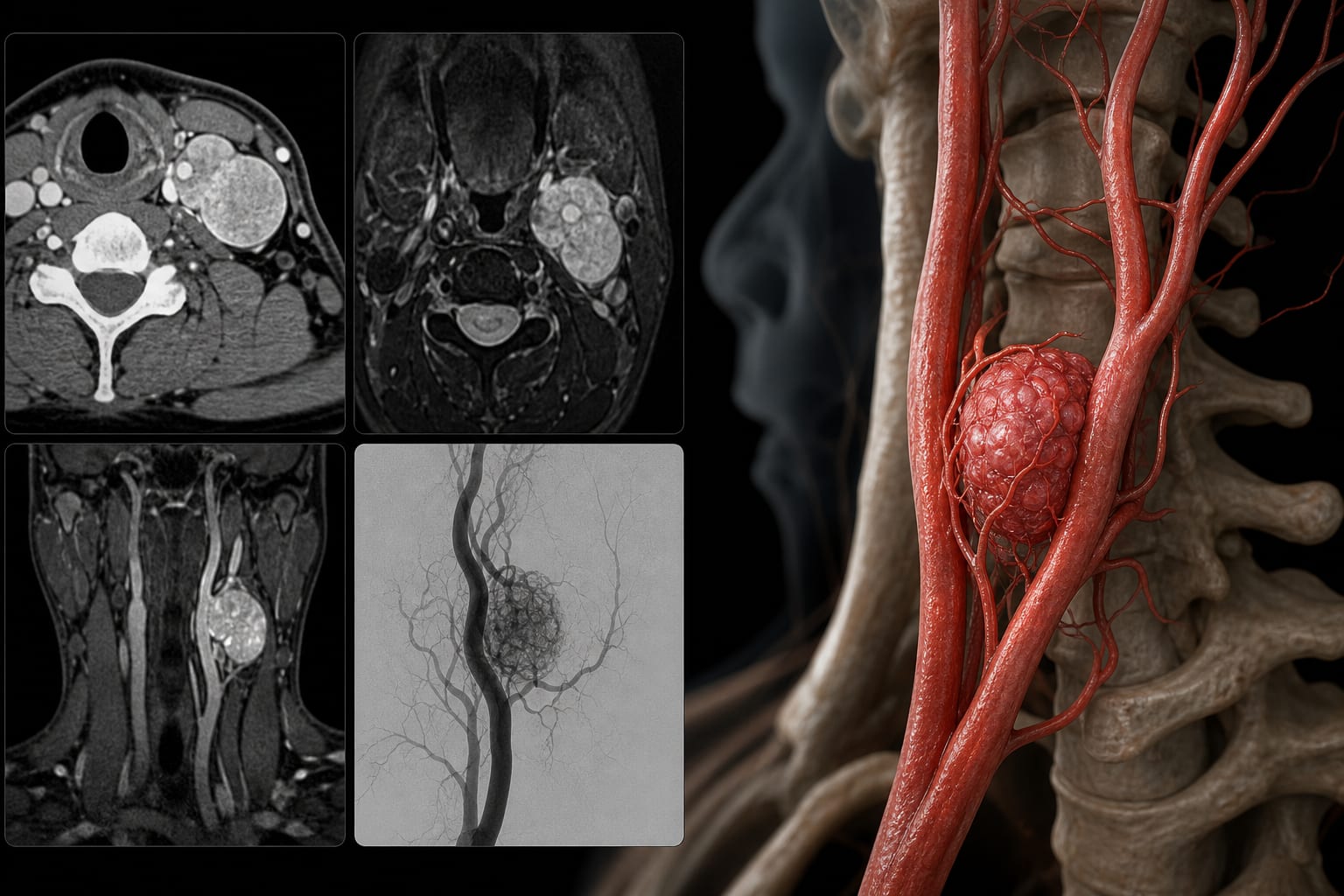
To develop, implement, and evaluate a specialty-oriented virtual simulation teaching system for medical imaging technology.
Approach:
Study Design: A descriptive single-center study comparing pre- and post-training outcomes among participants with varying levels of technical experience.
Key Components: Identification of user needs, selection of technological approaches, system design granularity, and engaging interaction modalities.
Key Findings:
Comprehensive skills related to fetal scanning improved significantly after virtual simulation training (54.19 ± 18.03 vs. 66.62 ± 12.41, p < 0.001).
Residents showed significant improvement post-training (42.38 ± 15.41 vs. 59.95 ± 12.63, p < 0.001).
Junior technicians also showed significant improvement (63.4 ± 12.13 vs. 73.07 ± 8.34, p < 0.001).
Senior technicians did not show significant improvement (p = 0.117).
Interpretation:
Limitations:
The study is limited to a single center, which may affect the generalizability of the findings.
Further research is needed to explore the long-term effectiveness of virtual simulation training.
Conclusion:
The study provides insights into the development of an effective virtual simulation teaching system tailored to medical imaging education.