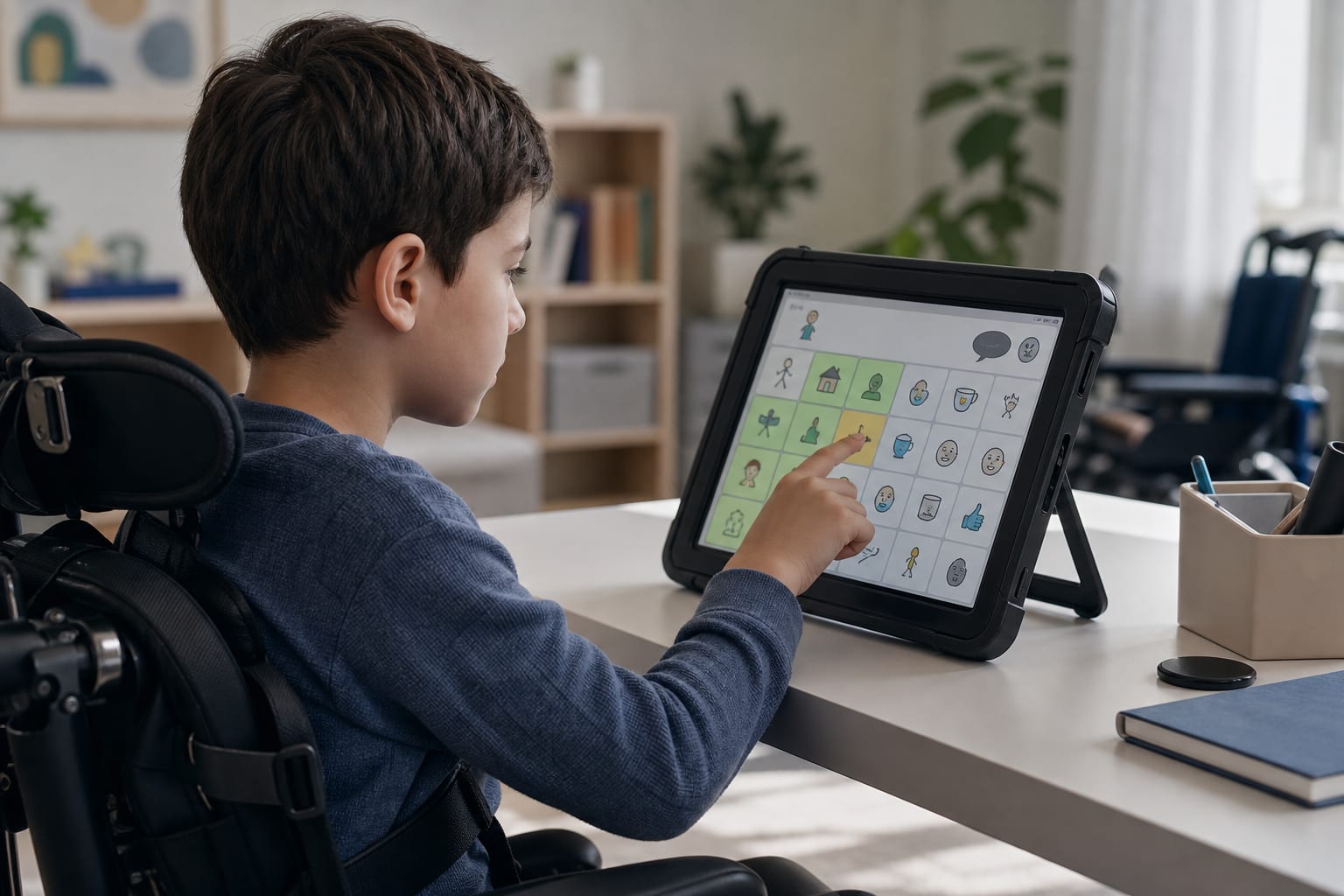
To examine the role of auditory processing in autism spectrum disorder and its association with verbal and non-verbal communication skills in children and adolescents, highlighting its significance for understanding communication challenges in autism.
Approach:
Key Findings:
Auditory processing measures were associated with both verbal and non-verbal communication skills in autistic participants, indicating the importance of these skills for effective communication.
Time-compressed sentence and gap detection scores correlated with expressive and receptive language skills, suggesting specific auditory processing abilities impact language development.
Gap detection abilities positively correlated with expressive and receptive language skills, highlighting their role in communication.
Auditory figure-ground task performance related to articulation accuracy, emphasizing the link between auditory processing and speech production.
Interpretation:
Specific aspects of auditory processing, particularly spectral and temporal components, are important for the development of communication skills in children with autism, suggesting potential targets for intervention.
Limitations:
The study's sample size may limit generalizability, and the focus on specific auditory processing measures may overlook other relevant factors, such as environmental influences.
Potential biases in participant selection could affect the findings.
Conclusion:
Further research is needed to understand the mechanisms behind these associations and to inform interventions targeting auditory processing and communication skills in ASD, emphasizing the importance of these findings for future studies.