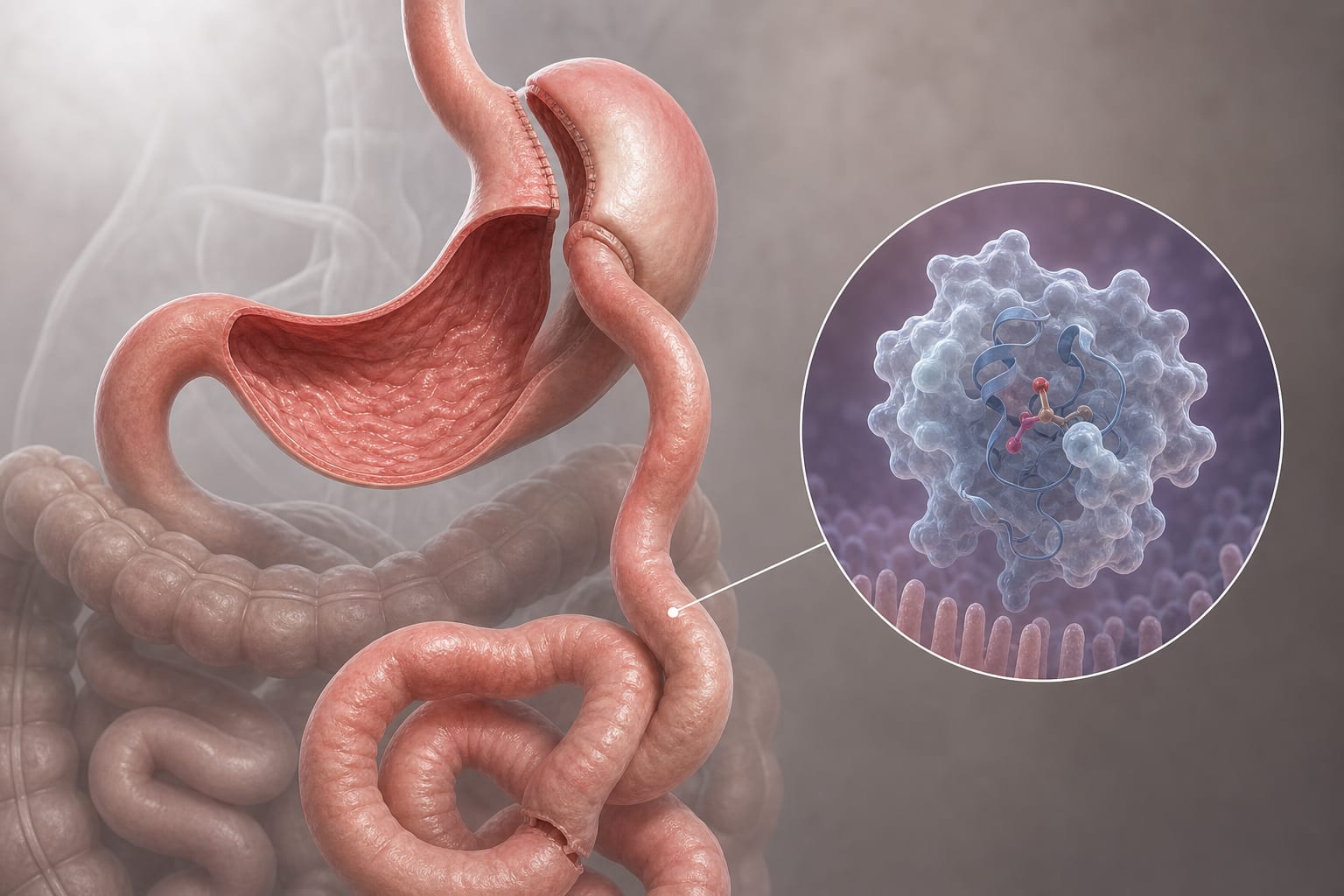
To examine the evidence supporting oxytocin as a potential approach for regulating appetite and metabolic outcomes in patients with overweight or obesity, focusing on both aspects.
Key Findings:
Intranasal oxytocin (24 IU) reduced caloric intake and increased satiety in short-term studies.
Functional MRI showed oxytocin modulates brain activity related to reward processing and cognitive control.
Longer-term studies showed mixed results; repeated oxytocin administration did not significantly change body weight or fat mass.
Oxytocin administration may increase lean body mass and reduce LDL cholesterol in specific populations.
Higher endogenous oxytocin levels are associated with healthier dietary patterns and better lipid/glucose profiles.
Interpretation:
Oxytocin may influence appetite regulation and certain metabolic parameters, but its long-term efficacy in weight management is unclear.
Limitations:
Small sample sizes in studies.
Short study durations.
Heterogeneous populations across studies.
Need for larger, longer-term clinical trials to clarify optimal dosing strategies and long-term safety.
Conclusion:
Oxytocin shows potential as a neuromodulator affecting appetite and metabolism, but further research is needed to define its clinical role in obesity management.