Teleophthalmology for triage and management of corneal pathologies at vision centres: a prospective observational service evaluation study in north India - Summary - MDSpire
Advertisement
Teleophthalmology for triage and management of corneal pathologies at vision centres: a prospective observational service evaluation study in north India
To assess the feasibility of teleophthalmology for triage and management of corneal diseases at vision centres (VCs) in rural and semi-urban North India.
Approach:
Study Design: A prospective observational study conducted from March to September 2024, including patients with corneal pathology presenting at VCs.
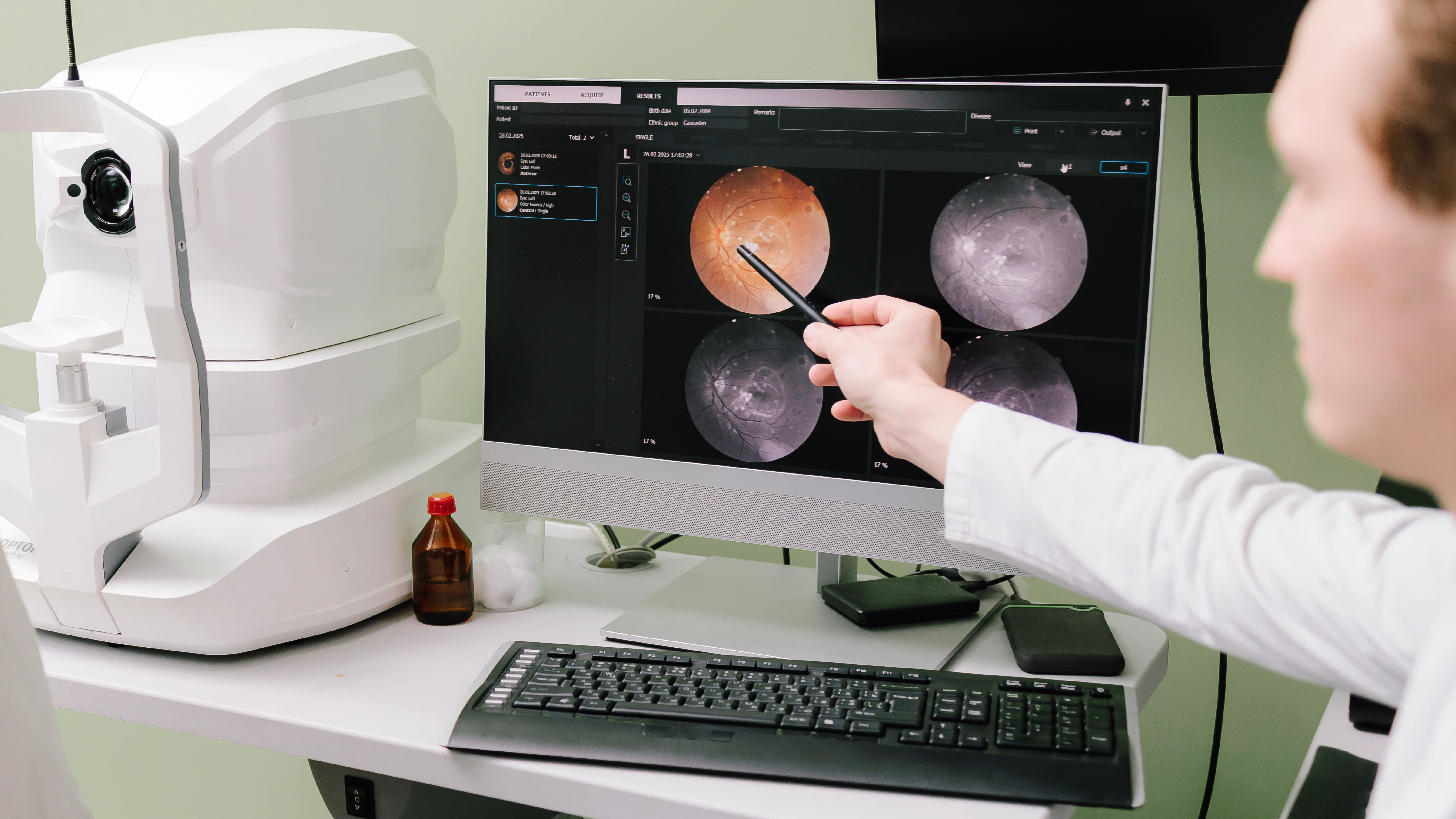
Teleconsultation Process: Patients underwent preliminary examination at VCs, and images were sent to a cornea fellow at a tertiary centre for specialist consultation.
Management Protocol: Vision technicians managed cases at VCs under specialist supervision, with acute cases receiving emergency care and referrals to secondary hospitals.
Key Findings:
Of 4,825 patients with corneal disease, 2,022 (41.91%) were managed at VCs, while 2,803 (58.09%) were referred.