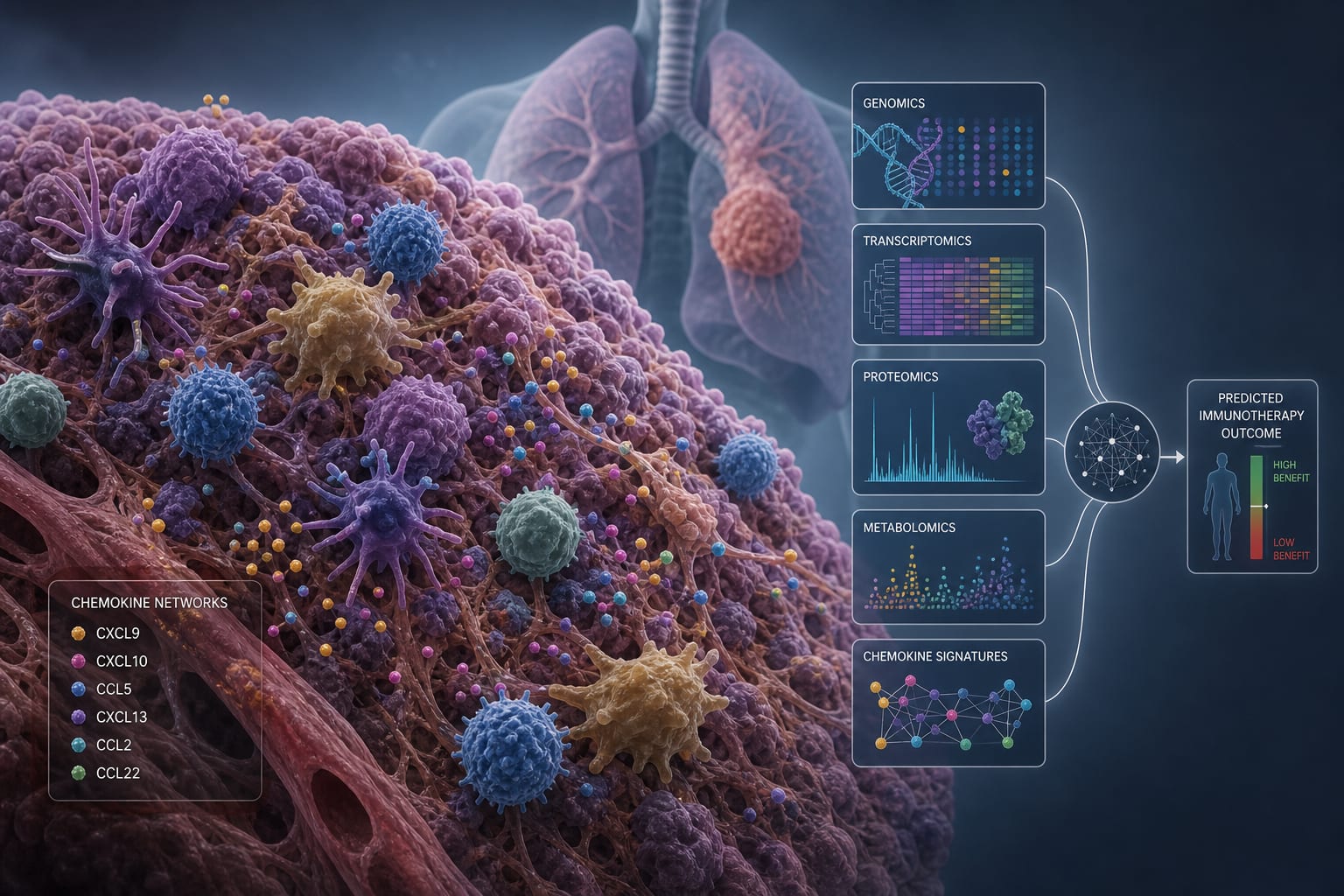
To summarize the roles of antigen-presenting cells (APCs) in antitumor immune responses and discuss therapeutic strategies to enhance their function.
Approach:
Overview of APCs: Discusses the central role of APCs, particularly dendritic cells (DCs), in capturing and presenting tumor antigens to T cells.
Therapeutic Strategies: Reviews various APC-based therapeutic strategies, including dendritic cell vaccines, nanoparticle-based antigen delivery, mRNA vaccine platforms, and oncolytic virus combinations.
Functional Reprogramming: Highlights approaches to restore APC activity through innate immune activation, blockade of immunosuppressive cytokines, and metabolic regulation.
Challenges in Clinical Translation: Addresses the limitations in clinical application due to tumor antigen heterogeneity, complex manufacturing, poor immune infiltration, and persistent immunosuppression.
Key Findings:
APC function is often impaired in the tumor microenvironment, limiting effective antitumor immunity.
Dendritic cells are crucial for T cell activation and bridging innate and adaptive immunity.
Interpretation:
Restoring APC function is essential for enhancing antitumor immune responses, but strategies must address the complex tumor microenvironment.