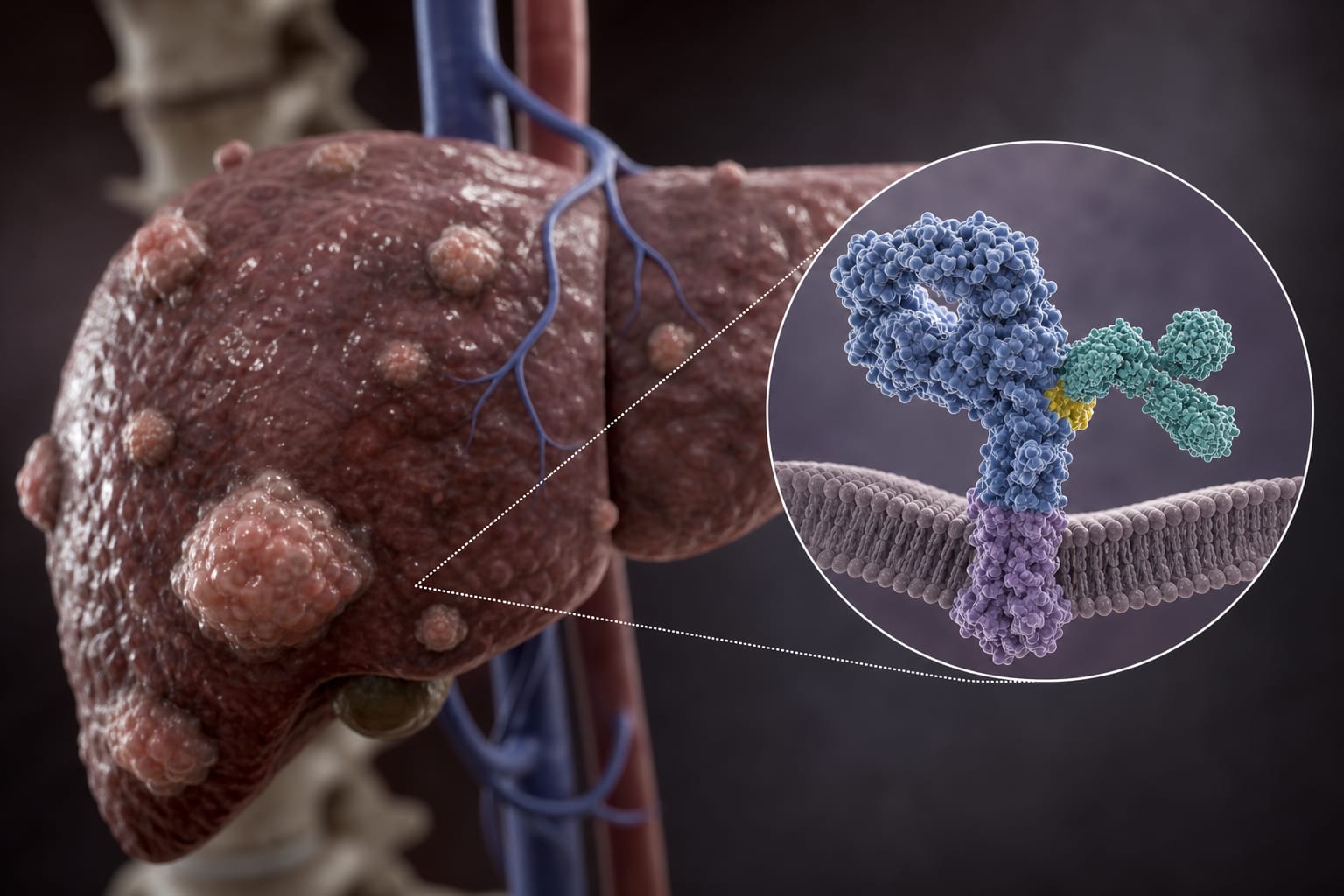
To examine the biological mechanisms through which surgery may influence metastatic progression and to discuss strategies to mitigate surgery-associated metastatic vulnerability, ultimately aiming to improve patient outcomes.
Approach:
Key Findings:
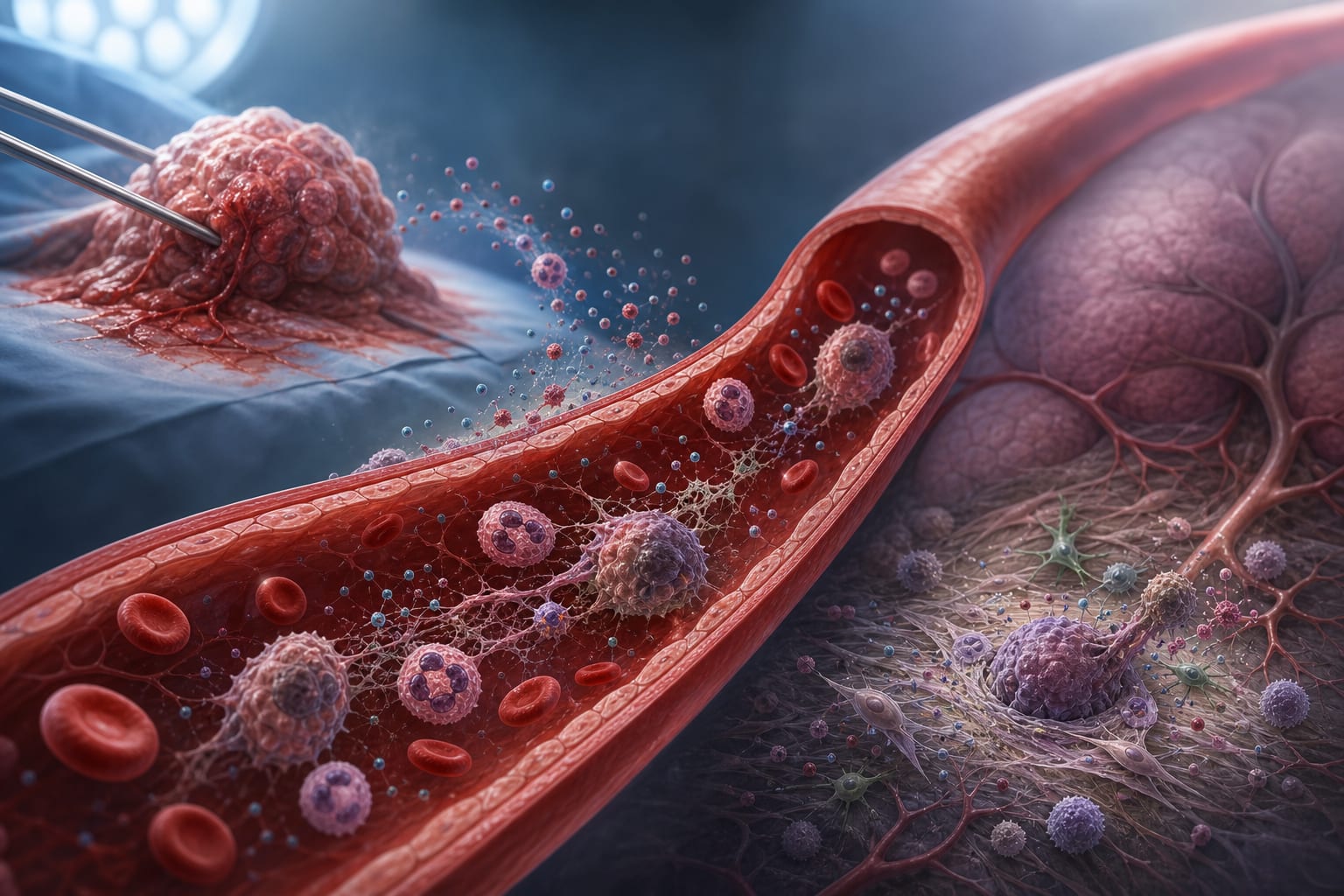
Surgery induces systemic inflammation and transient immune suppression, enhancing tumor cell dissemination.
Perioperative inflammatory responses involve cytokines that promote tumor cell survival and metastatic potential.
Surgical trauma releases damage-associated molecular patterns (DAMPs) that amplify inflammation and may facilitate metastasis.
Sustained immunosuppressive states post-surgery are characterized by the expansion of regulatory T cells and myeloid-derived suppressor cells.
Interpretation:
A clearer understanding of perioperative biological perturbations may inform the development of integrated perioperative oncology strategies to reduce metastatic risk.
Limitations:
The review primarily focuses on mechanisms and lacks extensive clinical trial data.
Context-dependent effects of surgery on metastasis may vary across different cancer types and individual patient factors, highlighting the need for more diverse studies.
Conclusion:
Understanding the biological mechanisms linking surgery to metastasis can help optimize surgical cancer care, improve long-term oncologic outcomes, and inform clinical practice.