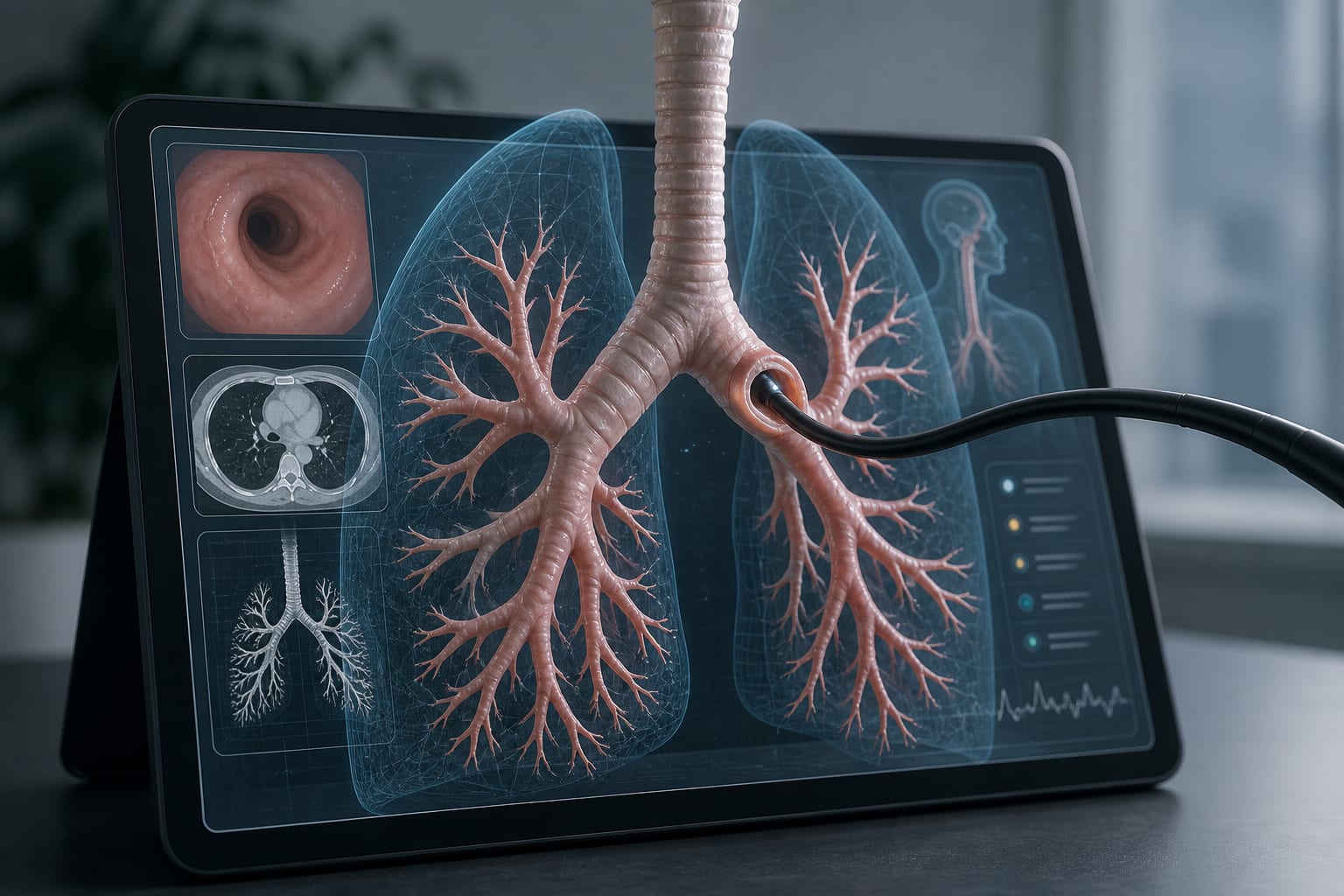
To evaluate the effectiveness of digital twin technology in enhancing risk communication and informed consent for patients undergoing elective bronchoscopy.
Approach:
Study Design: A multicenter randomized controlled study was conducted to assess the impact of digital twin technology on patient comprehension and anxiety levels during the informed consent process.
Key Findings:
Digital twin technology may improve patient comprehension of risks associated with bronchoscopy.
Conventional consent processes often lead to anxiety due to complex terminology and varying clinician explanations.
Multimedia and electronic consent methods have shown potential for better comprehension but do not consistently reduce anxiety.
Interpretation:
The study highlights the challenges in achieving effective informed consent in bronchoscopy and suggests that digital interventions could enhance understanding without necessarily alleviating anxiety.
Limitations:
Variability in patient health literacy may affect the outcomes of digital consent methods.
Previous studies have shown inconsistent results regarding the impact of multimedia on anxiety and satisfaction.
Conclusion:
Digital twin technology presents a promising avenue for improving risk communication in bronchoscopy, although further research is needed to fully understand its effects on patient anxiety and satisfaction.